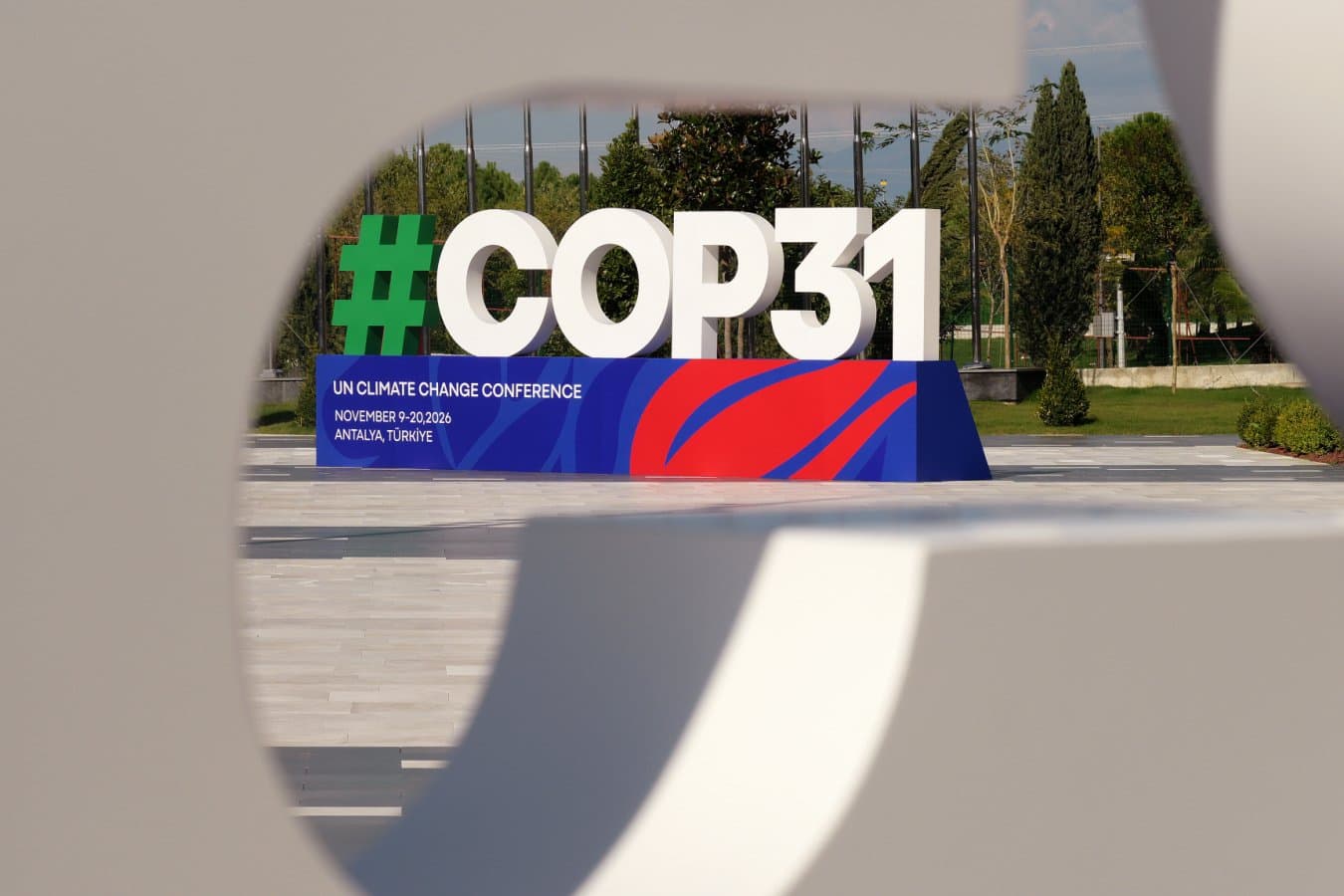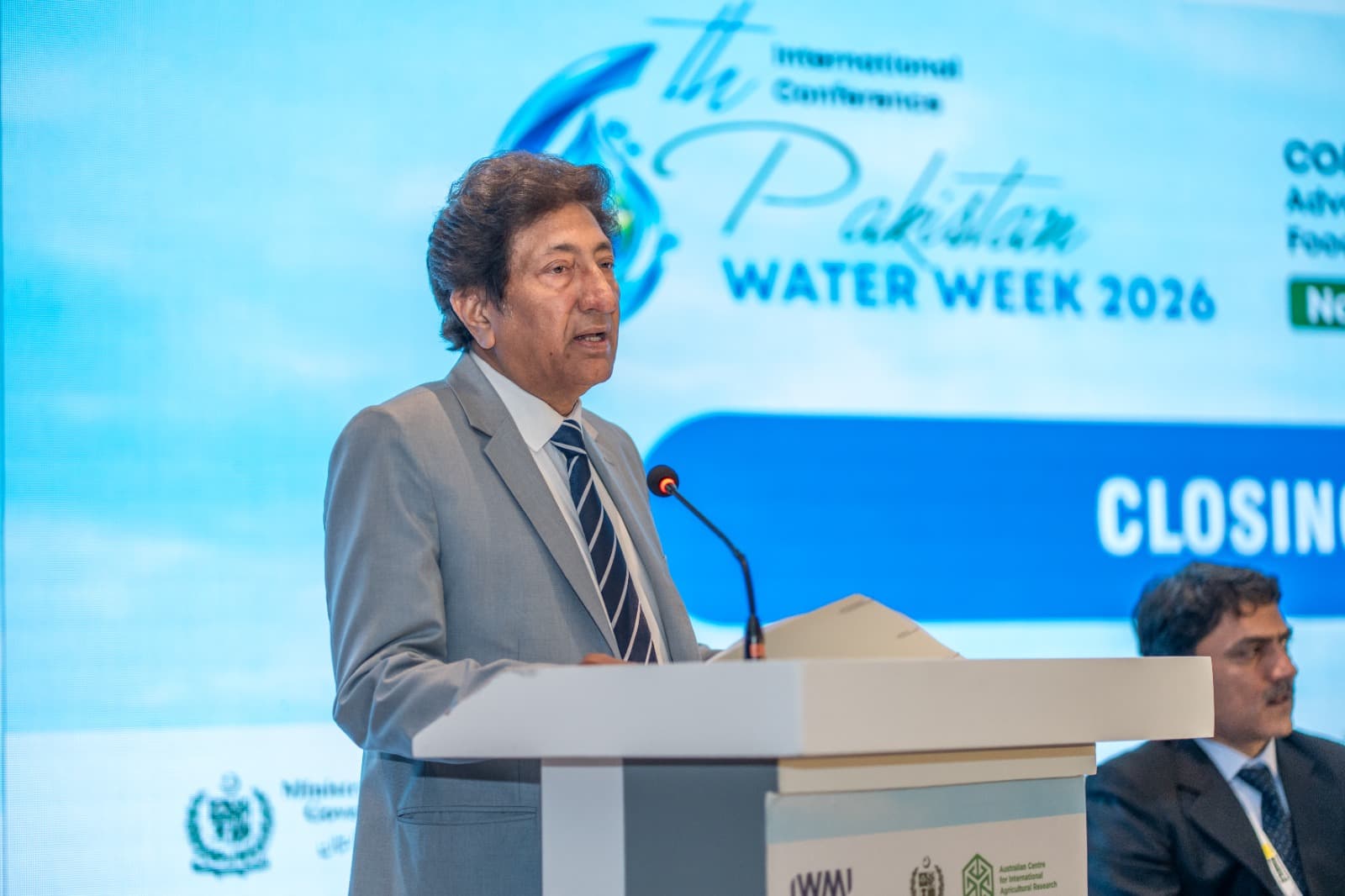
Pakistan’s Minister of State for Climate Change and Environmental Coordination, Shezra Mansab Kharal, stated that the country is seeking climate justice at the upcoming COP31 conference, emphasizing that climate finance must not increase the nation's existing debt burden. Speaking from her ministry office in Islamabad, Kharal noted that while Pakistan was instrumental in creating the Loss and Damage Fund at COP27 in 2022, the country has yet to receive any money from it.
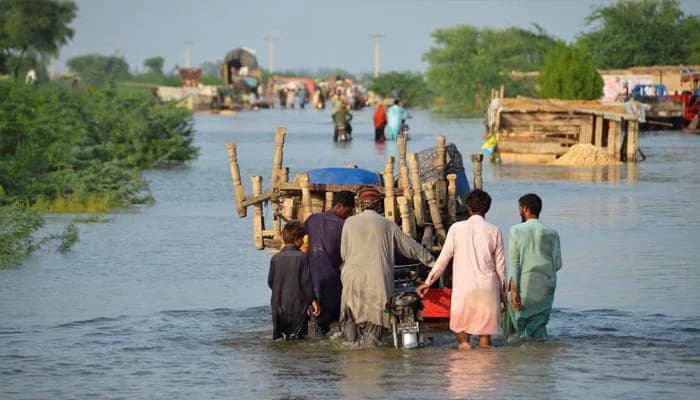
Kharal explained that Pakistan championed the fund because the country requires significantly more resources than it can provide domestically to combat climate-induced challenges. She noted that climate change has placed an enormous economic burden on the country, forcing the diversion of resources from health, education, and other development projects to counter disasters such as floods, glacier lake outburst floods, and cloudbursts.
Regarding the current status of the Loss and Damage Fund, Kharal reported that the fund's office is now established in Manila. Pakistan has submitted two project proposals totaling USD $39.9 million, with a cap of $20 million for each project. She characterized the current pledged sums as paltry and insignificant, while highlighting the distinction between international pledges, actual contributions to the fund, approved project financing, and actual disbursement. Kharal expressed hope that at least one project might be approved by December.
Addressing concerns regarding Pakistan's project governance, Kharal dismissed the idea that funds were withheld due to a lack of transparency. She called the notion a misconception, though she acknowledged that transparency in governance remains a primary focus. She argued that the current global finance architecture is very difficult, prolonged and complex, citing high project preparation costs and lengthy accreditation processes as major barriers that need major rethinking and redevelopment.
Kharal stated that Pakistan will push for climate justice at COP31, based on the principle of common but differentiated responsibilities and respective capabilities. She argued that it is unfair to expect developing countries, which are the lowest emitters, to bear the burden of developed countries who have historically been the highest emitters.