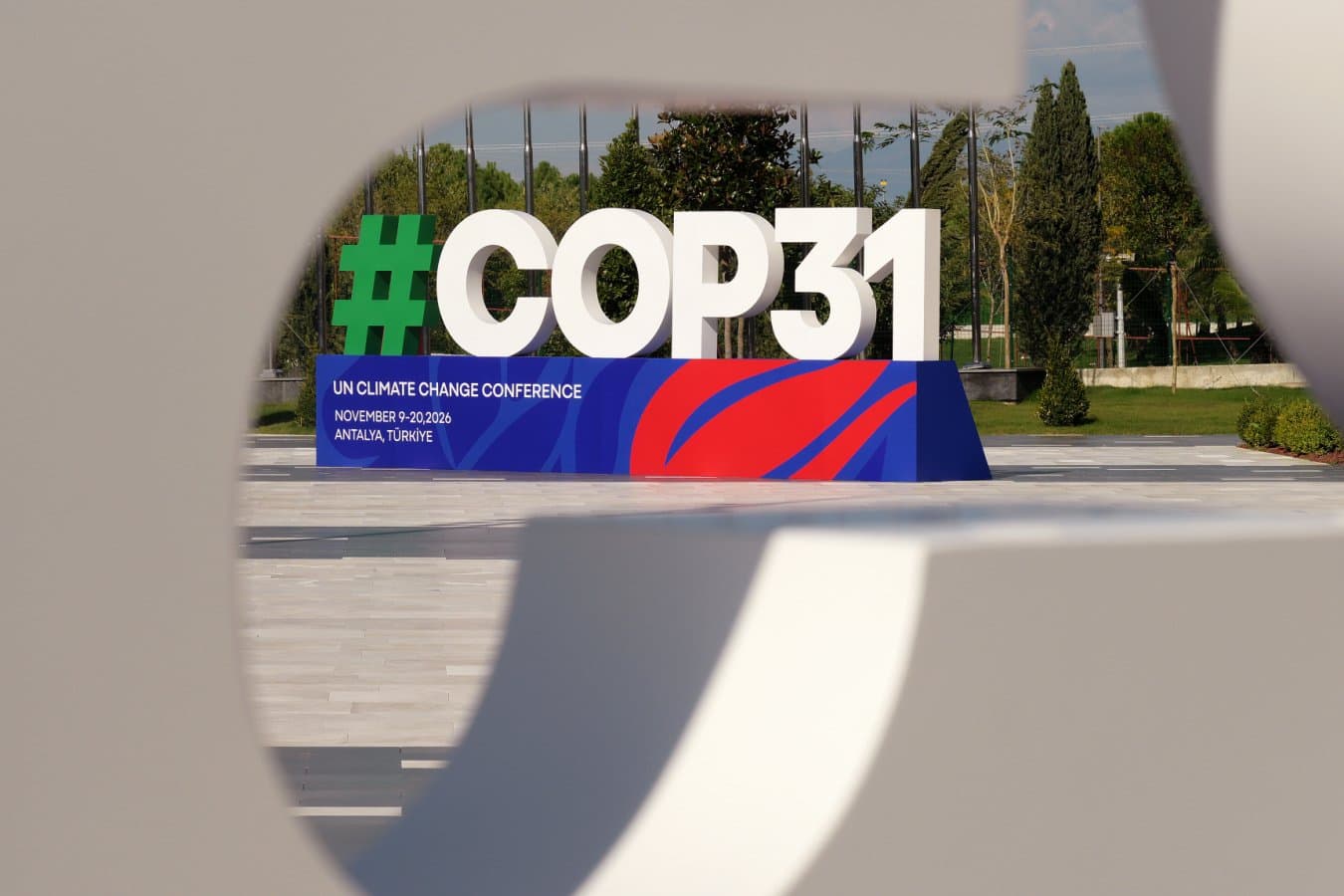
The COP31 summit in Antalya, Turkey, is facing criticism as the repetitive cycle of pomp and ceremony and backroom talks fails to produce meaningful progress against a backdrop of worsening climate disasters. According to New Scientist, the summits have drifted since the rules for the 2015 Paris Agreement were largely completed by 2021, often resulting in bewildering last-minute disputes over minor wording.
For example, at last year’s summit, nations were unable to agree on even mentioning fossil fuels in the final agreement. The upcoming COP31 is expected to follow this same pattern, with ongoing arguments over funding and bureaucratic mechanisms. The report warns that COP31 will not be the meeting that saves the world from climate peril.
However, the report identifies a potential bright spark in an electrification pledge being touted by the Turkish presidency. This proposal would see countries promise to increase the share of electricity in their final energy consumption to 35 per cent by 2035.
The report argues that focusing on electrification is a smart move because it offers energy security benefits amidst geopolitical instability and high oil and gas prices. It also notes that cheap green power could lower cost of living pressures in high-income nations and aid development in low-income nations.
Energy analyst Jan Rosenow recently pointed out that electricity currently provides about 23 per cent of the energy delivered to consumers, but it powers sectors that make up 46 per cent of the global economy. Rosenow’s analysis shows that if the global economy transitioned to a highly electrified state powered by renewables, total primary energy use would fall by almost 50 per cent.
While richer countries are currently not moving fast enough, China and Indonesia are ahead of the US and the UK in electrifying their economies, with India and Brazil catching up quickly. The report suggests that annual climate meetings should shift from virtue-signalling statements to opportunities for countries to share best practices on the energy transition.