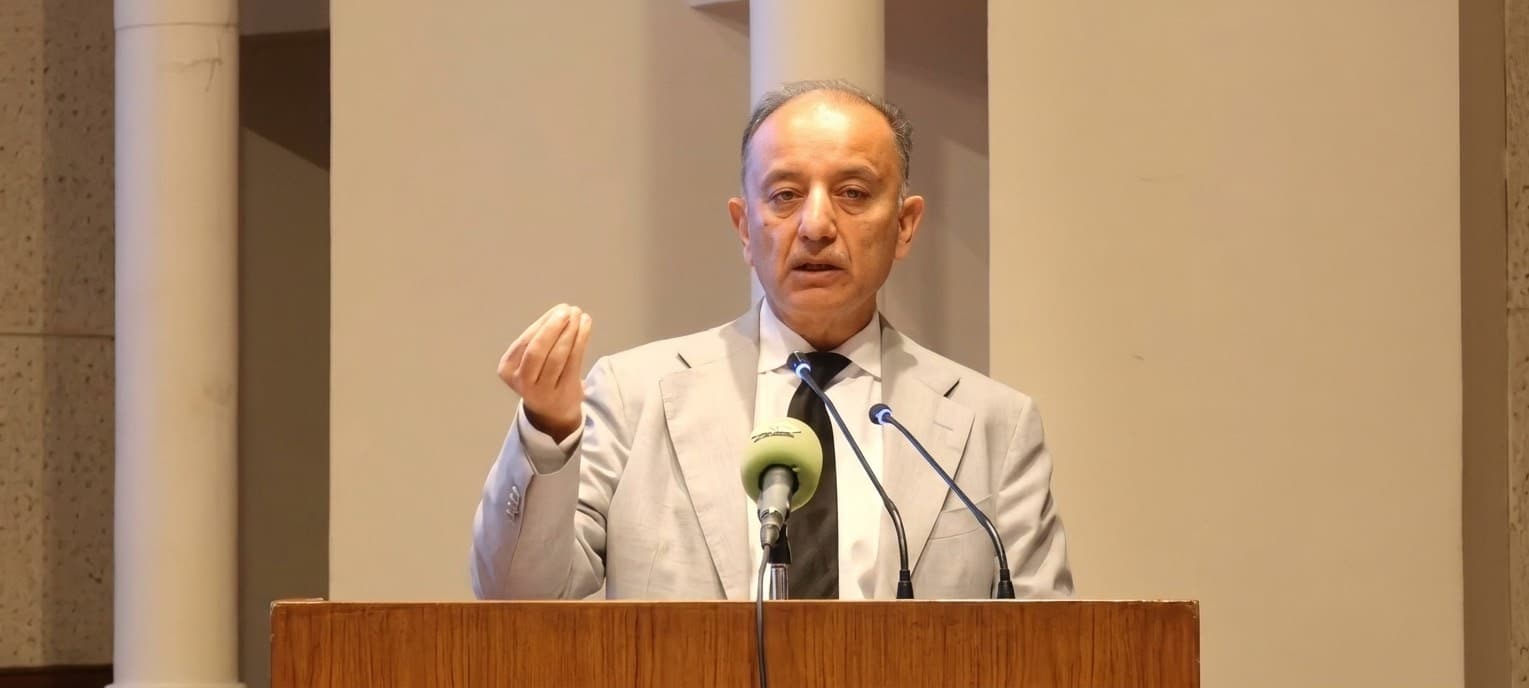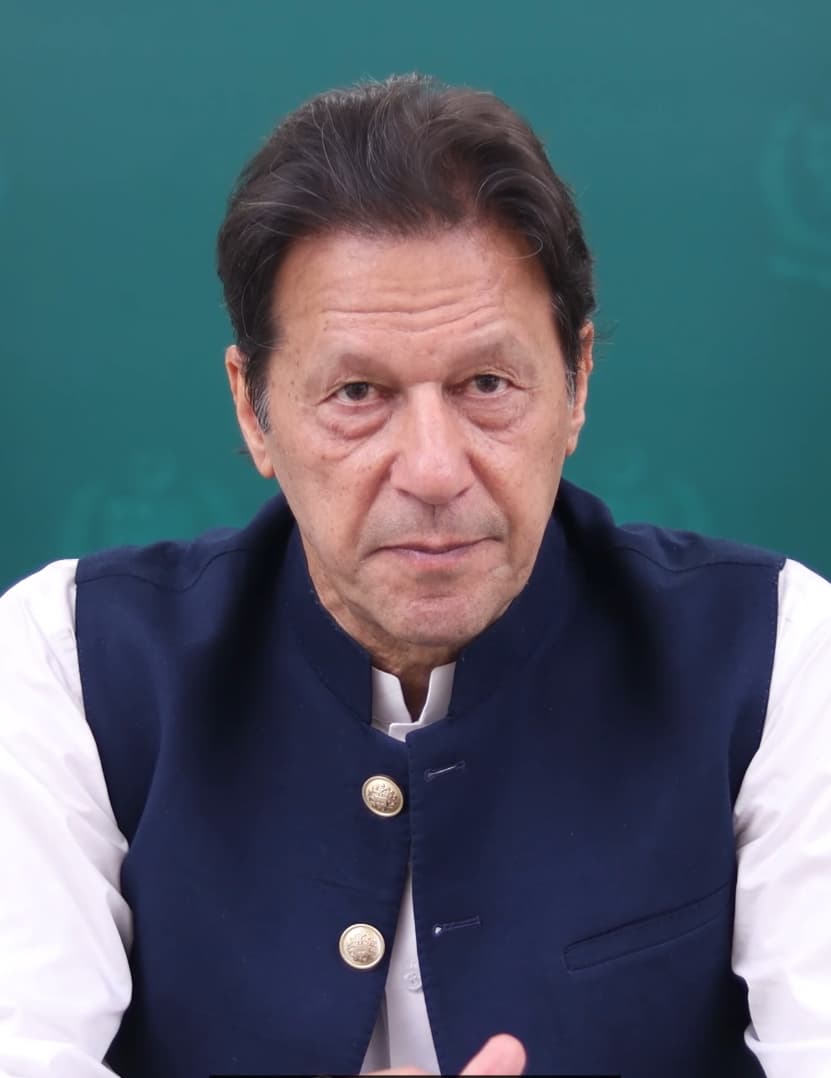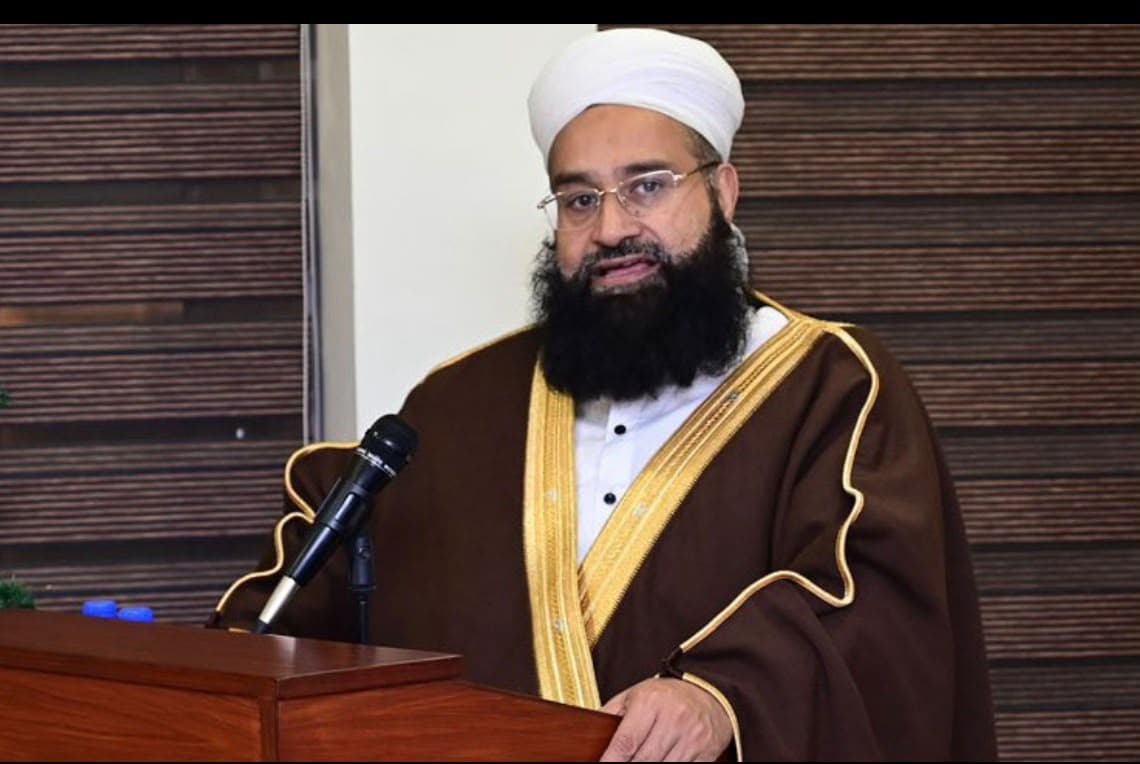
Chairman of the Pakistan Ulema Council, Hafiz Muhammad Tahir Mehmood Ashrafi, and various religious scholars across Pakistan observed a Day of Condemnation on Friday. The observance was held against reported Houthi attacks on Madinah Munawwarah and Saudi Arabia.
Special Friday sermons were delivered in mosques throughout the country to condemn the reported attacks and show solidarity with the people and leadership of Saudi Arabia.
Tahir Ashrafi, who also serves as the Secretary-General of the International Tazeem-e-Haramain Sharifain Council, stated that any attack or threat against Makkah Mukarramah, Madinah Munawwarah, and other holy places is unacceptable. He asserted that Muslim countries must stand united to protect the security and sanctity of Haramain Sharifain.
The religious leaders strongly condemned the reported Houthi attacks and threats against sacred Islamic sites. They also expressed concern regarding continued threats to Al-Aqsa Mosque. The scholars urged the United Nations, the international community, and the Organisation of Islamic Cooperation (OIC) to take effective steps to ensure the safety of holy places and prevent such attacks.
The scholars welcomed the Turkish Parliament’s approval of the Makkah Joint Defence Agreement involving Pakistan, Saudi Arabia, and Türkiye. They stated that closer cooperation between these three nations would help strengthen regional stability and security.
The religious leaders emphasized that Muslim countries need to work together to address common challenges and protect religious sites. They reaffirmed their support for the leadership and people of Saudi Arabia and called for ongoing efforts to ensure the safety of Makkah Mukarramah, Madinah Munawwarah, and Al-Aqsa Mosque.
Other religious leaders who expressed these views included Maulana Nauman Hashir, Hafiz Maqbool Ahmed, Maulana Ubaidullah Gormani, Maulana Tahir Aqeel Awan, Allama Shabbir-ul-Haq Qasmi, Maulana Dr. Haq Nawaz Khan, Mufti Muhammad Imran Muawiya, Mufti Muhammad Irfan Gormani, and Pir Qari Muhammad Abu Bakr Naqshbandi.