An unexpected feedback loop may be driving mega heatwaves in mid-latitude regions such as Europe, according to new research that has uncovered a three-way feedback loop that amplifies extreme heat conditions. This discovery comes as scientists struggle to explain why recent heat extremes, such as the 2022 UK temperatures exceeding 40°C (104°F) and the 2021 Pacific Northwest heatwave, have so significantly outstripped historical records and climate model projections.
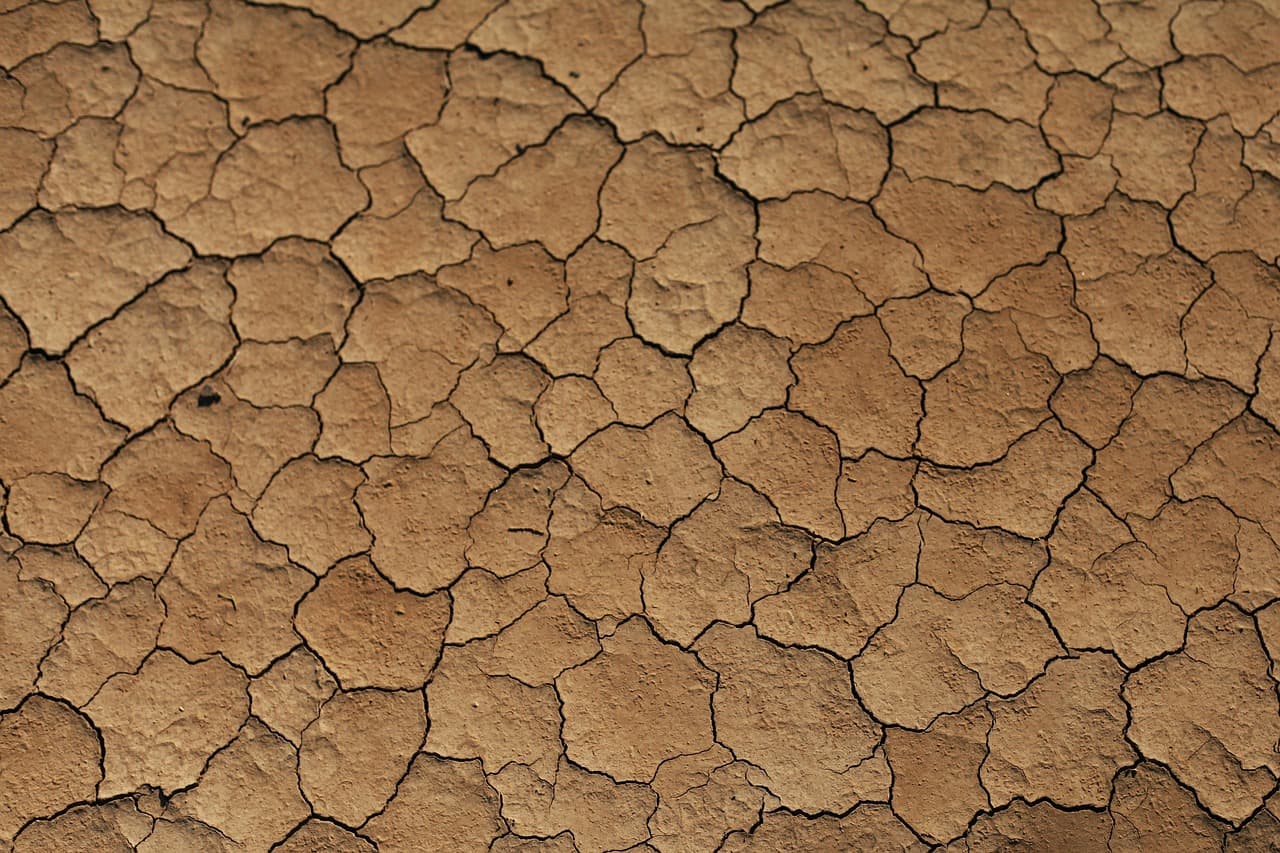
The research, led by Kai Kornhuber at the International Institute for Applied Systems Analysis in Austria, identifies a cycle involving high-pressure systems, solar radiation, and soil moisture. While it was already known that high-pressure systems allow more solar radiation to reach the surface and that higher temperatures dry out soil—removing the cooling effect of evaporation—the study reveals a new interaction. When temperatures reach a certain level, dry soil helps sustain high-pressure systems in the atmosphere.
Kornhuber explains that the soils affected by circulation patterns also start to affect back on the circulation pattern itself. According to the research conducted by Kornhuber and his colleagues, this three-way feedback effect makes extreme heatwaves 10 per cent hotter than they would otherwise be, a factor not fully accounted for in climate model projections.
Kornhuber warns that this 10 per cent difference is significant because many social and biophysical systems have critical thresholds. He states that an extra 10 per cent can really make a difference between a heatwave and a record-shattering heatwave, noting that it can really lead to temperatures that are then quite damaging. This may include serious public health consequences, a breakdown of vital infrastructure such as transport links and energy grids, crop failures and the collapse of ecosystems.
As the world warms due to climate change, regions including Europe, Russia, North America, parts of South America and Australia will hit thresholds where this feedback effect is triggered increasingly often. Kornhuber says work is now needed to ensure climate models are properly including this feedback effect when projecting future extremes.