The Jehovah's Witnesses' Governing Body has announced a "seismic change" in its teachings, effectively giving the religious green light for the vast majority of medical procedures using donated blood. The change means that followers are no longer prohibited from accepting most transfusions, and decisions on whether to accept such treatments are now to be left to individuals.
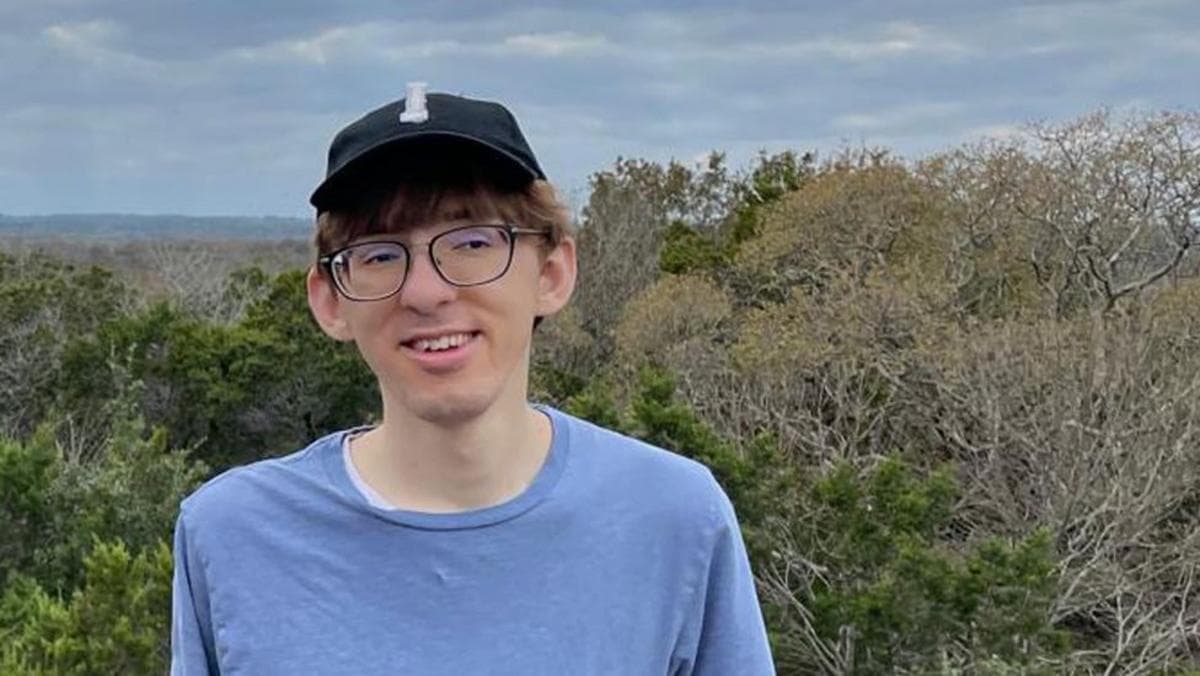
The policy shift comes just 23 days after the death of 26-year-old Isaac Valdez. In August 2026, Valdez suffered an epileptic seizure at a library, resulting in a brain haemorrhage. Because he carried a "No Blood" card as a Jehovah's Witness, doctors did not perform a procedure to drain fluid from his brain. Although he briefly regained consciousness and confirmed his religious beliefs, he later slipped into a coma. His family chose to abide by his wishes to refuse an emergency operation requiring a blood transfusion. Valdez died on 26 August 2026 when doctors turned off his life support.
Jacob Valdez, Isaac's twin brother, expressed anger at the leadership for not reaching this conclusion sooner, stating he believes Isaac could well still be alive if they had. The original rule, established in 1945, was based on an interpretation of Bible verses prohibiting the consumption of blood.
Paul Gillies, an international spokesperson for the Jehovah's Witnesses, described the change as the application of Bible principles to modern medicine. He insisted that the basic teaching has not changed and that the transfusion of whole blood remains prohibited. However, he explained that the Governing Body felt it was their duty to avoid scriptural "overreach" by only applying what was specifically described in the Bible. Gillies noted that while the Bible references "abstaining from blood," it does not mention "various components that could be extracted from blood," such as plasma, red blood cells, and platelets.
The decision has sparked criticism regarding why the change took 81 years to occur, especially since blood component transfusions have been the norm for decades. Jacob Valdez, who has left the faith, messaged elders in Texas asking them to consider the part they played in encouraging people to "sacrifice their life for something that was never God's will." One elder responded that he could not understand Jacob's anger and fixation on the policy shift.
While the exact number of deaths resulting from refused transfusions is unknown, research in a 2016 medical journal, The Obstetrical & Gynecological Survey, estimated the figure at around 1,100. Gillies stated that the faith is sympathetic to those who have lost family members but deflected calls for an apology, claiming many lives were saved because followers were not exposed to blood contamination scandals.
The change has also impacted those who left the faith due to the doctrine. Elisha Cummings, a follower from Trinidad and Tobago, said the policy cost her her marriage when her husband left the faith after receiving a transfusion as a child. She stated her beliefs have been shaken and she has felt in a "depressed mode" since the change.
Gillies stated that any individual who left the faith because they accepted a transfusion for themselves or a relative is "warmly welcomed" to return and speak with the elders.