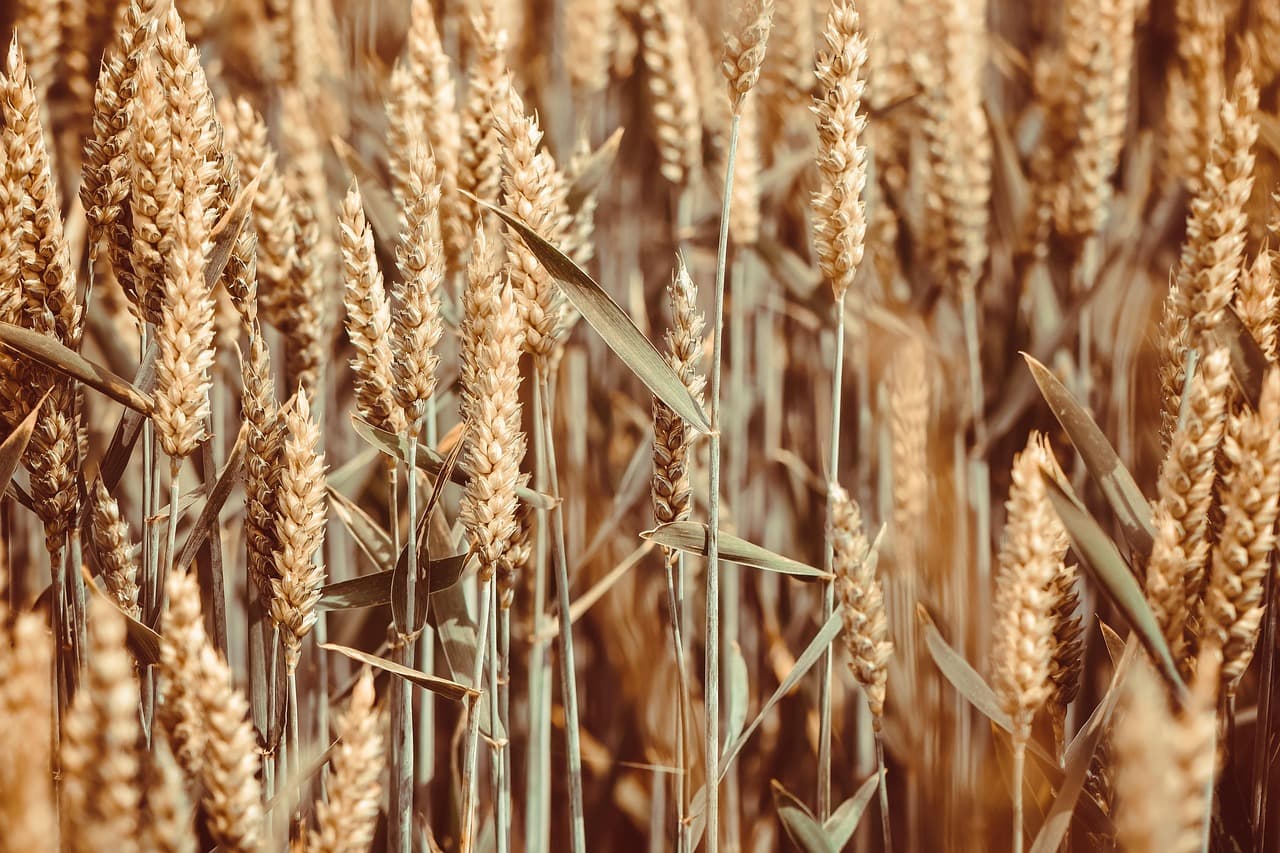
The Punjab Agriculture Department has called on farmers to finish sowing wheat in irrigated areas by November 20. This push is part of a provincial goal to produce 22.5 million metric tonnes of wheat from 16.5 million acres during the current season.
A spokesman for the Agriculture (Extension) Department stated on Sunday that wheat is a major food crop for Pakistan. He noted that increasing the yield per acre is essential to meet the food requirements of the growing population. While sowing has already begun in irrigated areas, the spokesman advised farmers to complete the process within the recommended timeframe to ensure better crop establishment and higher production.
The department is urging farmers to use certified seeds of approved varieties, specifically naming Akbar-19, Falak-24, Suwaira-24, Urooj-22, Aujala-2016, Johar-2016, Anaj-2017, Fakhr-e-Bhakkar-17, Bhakkar Star-19, Ghazi-19, Nishan-21 and Dilkash-20. For normal sowing, the recommended seed rate is 40 to 45 kilograms per acre with a germination capacity of at least 85 percent. However, for farmers cultivating wheat in standing cotton crops, the spokesman said the seed rate should increase to 55 to 60 kg per acre.
To prevent losses from seed-borne diseases like Karnal bunt, wheat blast, and foot rot, the spokesman advised treating seeds before sowing with Thiophanate-methyl at a rate of two to 2.5 grams per kg, or Imidacloprid plus Tebuconazole at four milliliters per kg. He suggested using a rotating drum for uniform treatment, or alternatively, shaking seeds in a half-filled plastic bag.
The spokesman emphasized that well-prepared and leveled fields are essential for high yields. For fields with heavy crop residues, he recommended ploughing two to three times and using a conventional or laser land leveler. He also advised dividing fields into smaller sections before pre-sowing irrigation to save water. Farmers should plough before sunrise and follow each operation with planking two to three times to eliminate weeds and bring moisture to the surface.
Specific instructions were provided for different crop successions: