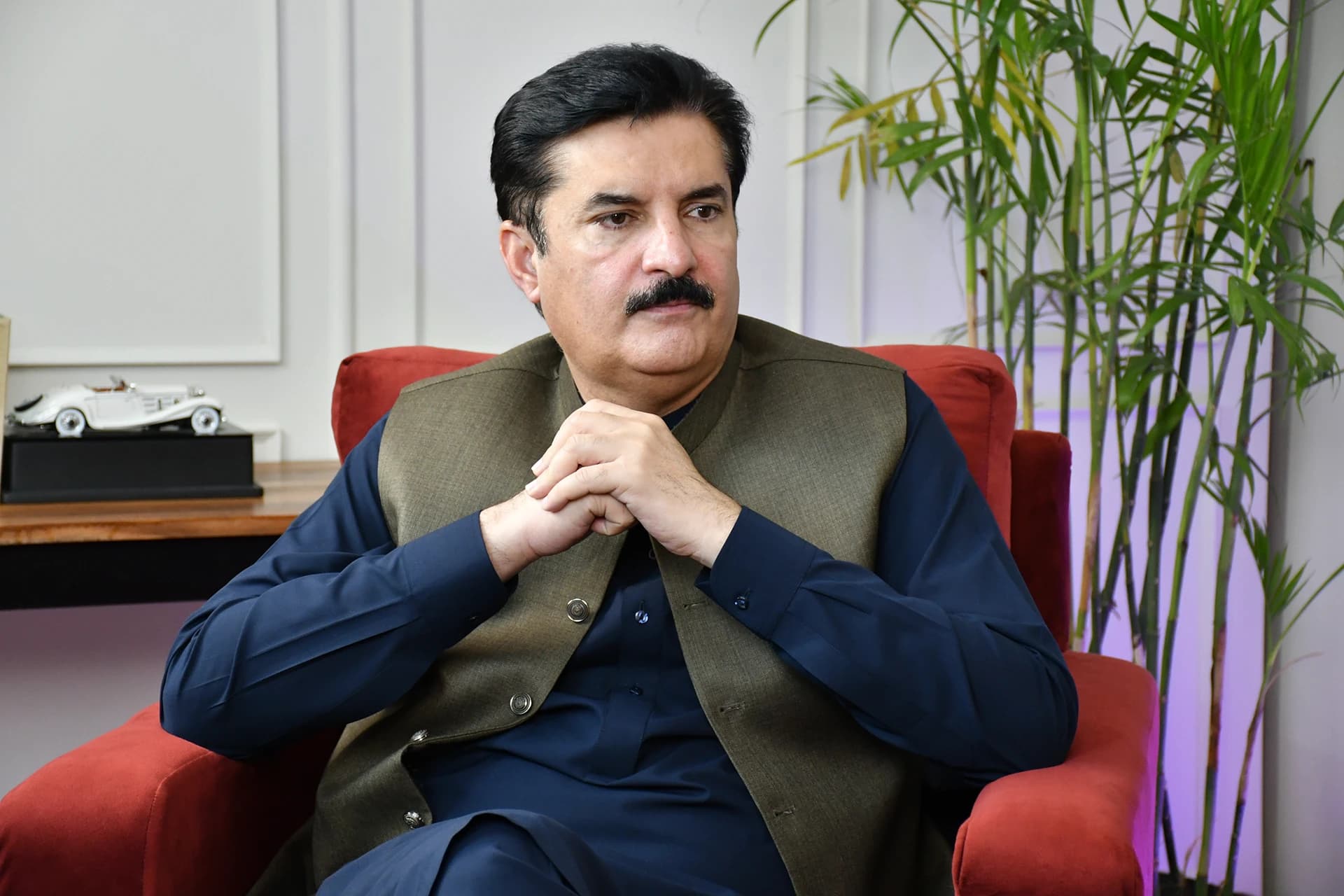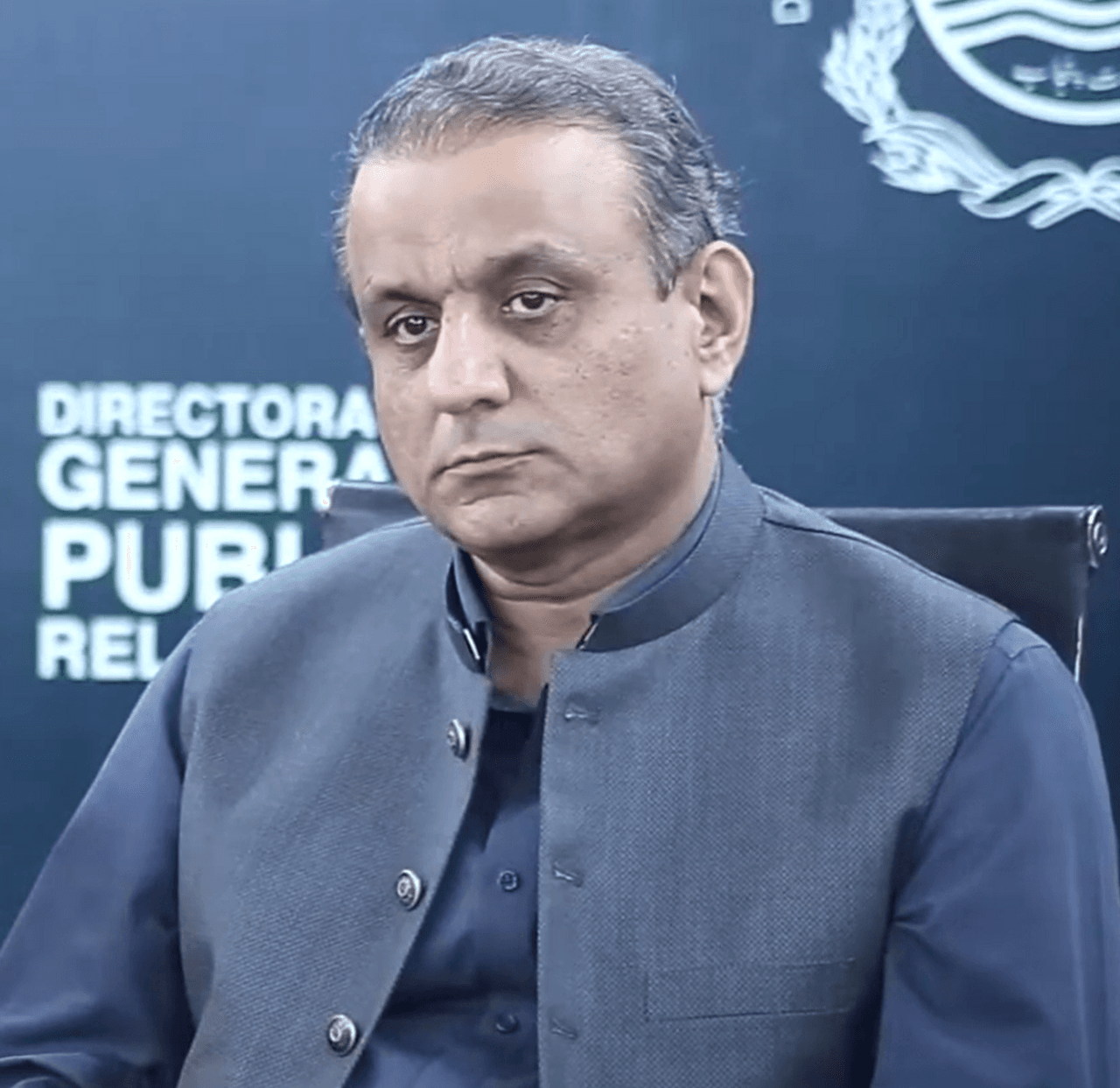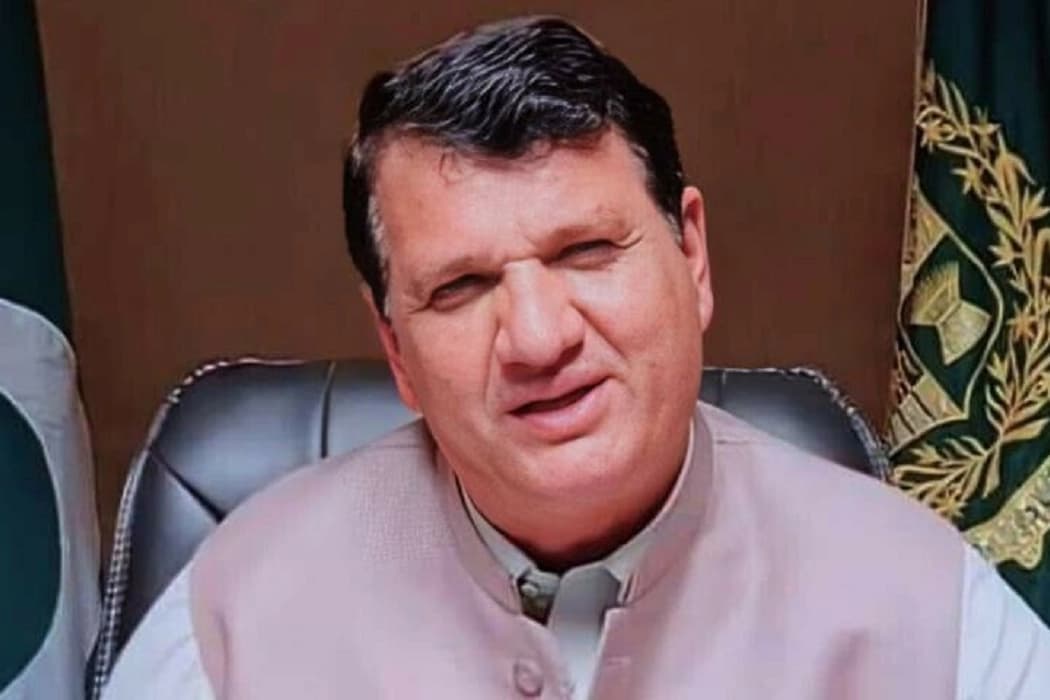
Federal Minister for Kashmir Affairs, Gilgit-Baltistan and SAFRON and President of Pakistan Muslim League-Nawaz (PML-N) Khyber Pakhtunkhwa, Engineer Ameer Muqam, stated on Sunday that PTI's rule was marked by rampant corruption and poor governance. Speaking at a public gathering in Batkhela, Malakand district, Muqam claimed to make PTI accountable for its 13 years of corrupt practices in the province.
The PML-N organized the event under the banner of “Youm-e-Nijat” to celebrate the end of PTI’s 13-year incompetent, poor rule in Khyber Pakhtunkhwa. Muqam told the thousands of party workers and local residents that the departure of PTI would usher in an era of peace, development, and prosperity, ensuring that public resources and development opportunities are directed toward the welfare of the people.
Muqam alleged that if PTI had not facilitated terrorists, there would have been no need to impose an emergency or Governor’s Rule in the province. He claimed the public did not stand by PTI because the party failed to protect them from terrorism. Furthermore, he stated it was unacceptable that security agencies were laying down their lives while the PTI government was allegedly speaking in favor of terrorists. He further claimed that those who paid extortion money to terrorists could never protect the public from militant violence.
Regarding the economic impact of the previous administration, Muqam remarked, “During the past 13 years, only PTI leaders became wealthy, while the people of Khyber Pakhtunkhwa, despite their courage and resilience, became poorer.” He questioned the PTI's performance by stating a party that could not properly construct or efficiently operate a single Bus Rapid Transit (BRT) system or a hospital could hardly be expected to run an entire province effectively.
Muqam also criticized political opponents, noting that a religious party leader who previously described the PTI founder as an agent of Zionists was now speaking his language. He maintained that despite 13 years in power, PTI failed to resolve basic problems or put the province on a path of sustainable development.