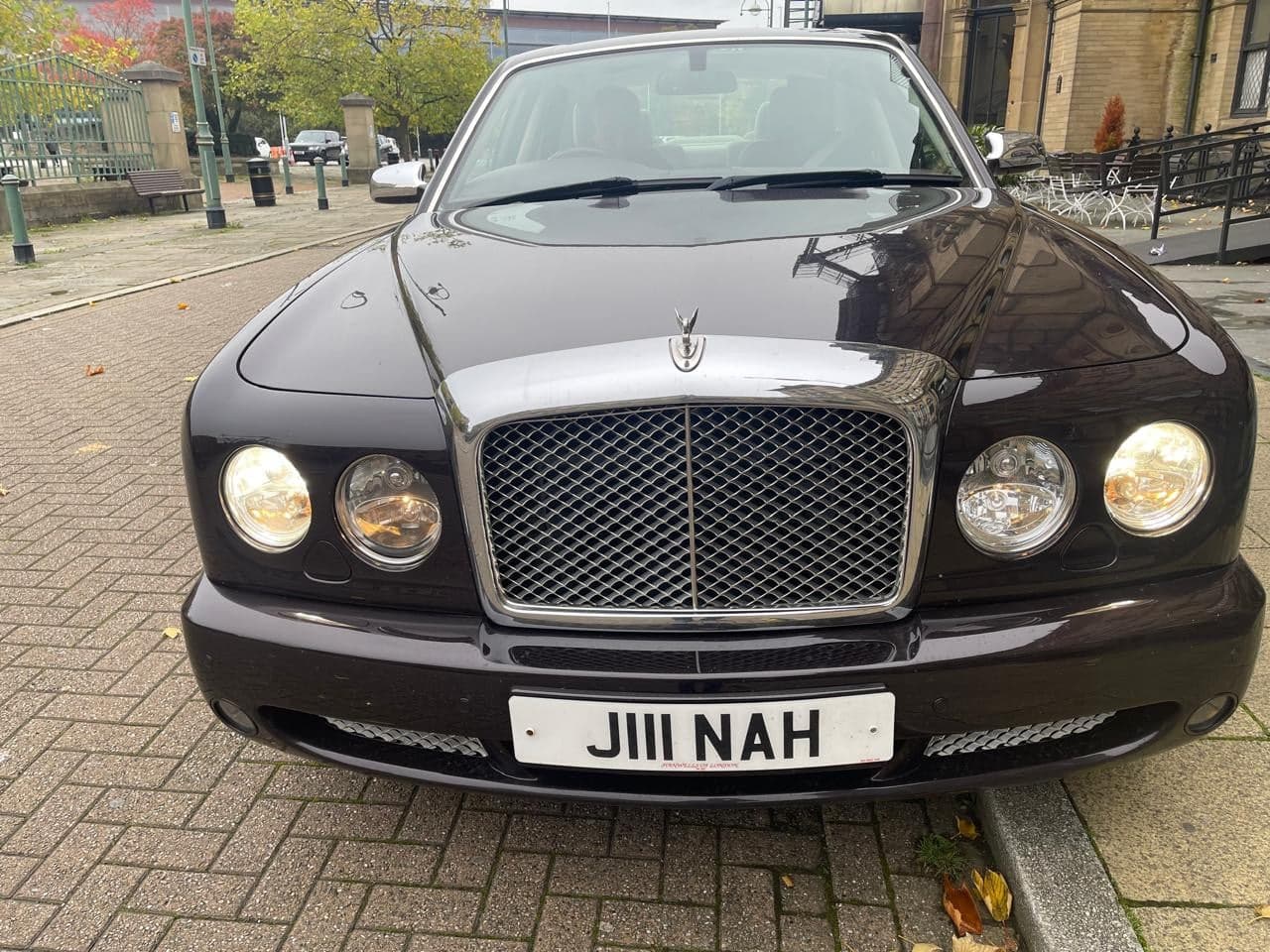
Saleem Akhtar, a British-Pakistani entrepreneur based in Bradford, UK, has integrated his admiration for Quaid-e-Azam Muhammad Ali Jinnah into his business identity. Akhtar, who left Pakistan as a 10-year-old boy, uses the name Jinnah on his restaurant group and his car number plates as a tribute to the man who founded Pakistan.
The business journey began in 1981 when Akhtar's family opened a small shop in Bradford. This eventually grew into the Jinnah restaurant group, which serves Pakistani and Kashmiri cuisine across Yorkshire. A significant expansion occurred in 2015 when more than £500,000 was reportedly invested to establish a restaurant at the Gate House building on Leeds Road in Bradford, creating 32 jobs.
Akhtar stated that naming the business after Jinnah was a deliberate choice rather than a commercial branding exercise. He described Jinnah as a symbol of political determination, national self-respect, and the aspiration for a separate homeland. Akhtar believes the name keeps Jinnah's legacy visible in a multicultural British city and provides younger generations of British Pakistanis a way to learn about their parents' homeland.
Akhtar's personal devotion to Jinnah includes using only cars with Jinnah number plates. He stated, "Travelling in a car with a Jinnah number plate gives me immense pleasure," and added, "Had I lived in the era of Jinnah Sahib, I would have loved to be his driver."
Beyond branding, Akhtar uses his restaurant group to introduce traditional South Asian flavors to British customers, noting that food remains a strong link to home for expatriates. He also leads a foundation that provides humanitarian aid to Pakistan and Azad Jammu and Kashmir (AJK). Following the 2005 earthquake in AJK, Akhtar distributed Rs10 million in cash to people in Muzaffarabad and Bagh. His foundation also constructed 20 houses for families affected by the September 2019 earthquake in Mirpur.
Akhtar advocates for overseas Pakistanis to strengthen their ties to the homeland through economic engagement. He argues that investing in ancestral towns and villages can help preserve connections for future generations. He suggested that even modest investments could give younger family members a practical reason to visit their ancestral towns and develop a deeper understanding of their family history.