Key Takeaways
- The United States launched a fresh wave of strikes on Iranian military targets.
- Iran-backed Houthis in Yemen attacked oil tankers in the Red Sea shipping lanes.
- Oil prices surged to over $100 per barrel for the first time since May.
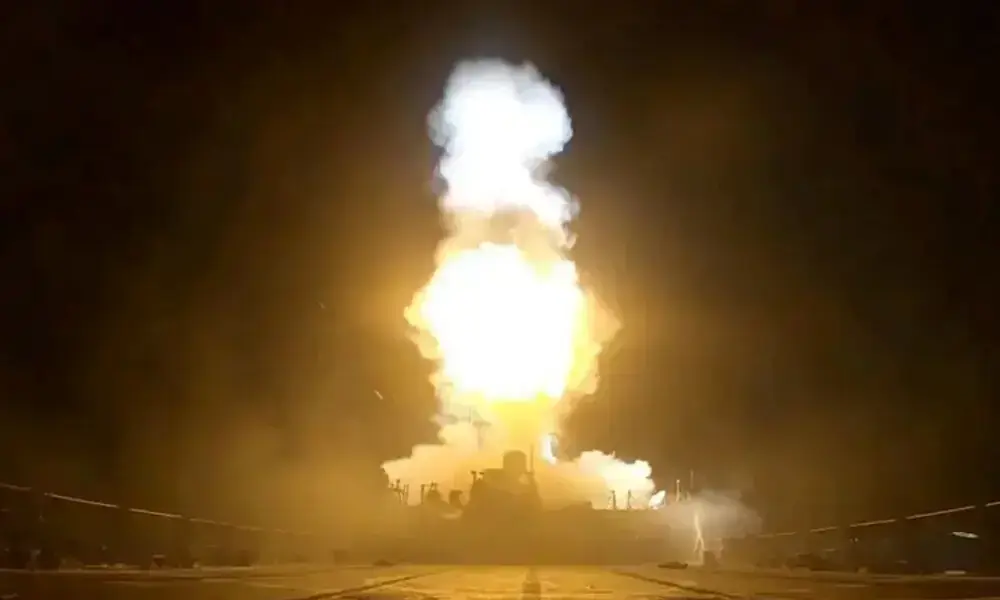
The United States has launched a new wave of strikes on Iranian military targets, marking the thirteenth night of active combat in the region. President Donald Trump vowed that Iran would face significant consequences for recent attacks by Houthi rebels in Yemen.
According to reports from Iranian state media and explosions heard in several cities, including Ahvaz, Omidiyeh, Bandar Abbas, and Qeshm on the Strait of Hormuz, US missiles targeted these locations. The strikes were described as an effort to hold Iran accountable for threats against commercial shipping, according to a statement by US Central Command (CENTCOM).
The attacks came just after Iranian-backed Houthis launched attacks on oil tankers in Red Sea shipping lanes, though CENTCOM did not explicitly mention the rebel blockade in their announcement. This move has sent shockwaves through global markets, with international oil benchmark Brent crude surging past $100 a barrel for the first time since May.
World leaders expressed alarm over the situation. United Nations Secretary-General Antonio Guterres warned that the situation was teetering on the edge of the unimaginable and could lead to further crises. European Central Bank President Christine Lagarde also warned about potential inflationary pressures, suggesting a possible September eurozone interest rate hike.
German Defence Minister Boris Pistorius echoed these concerns, warning of dire consequences for oil-importing economies and stating that nothing suggested an imminent ceasefire or peace in the region. The war has resumed after a brief ceasefire that lasted only a few weeks, throwing the region back into chaos as Iran and the United States battle for control of the Strait of Hormuz.
Iran’s army spokesperson Mohammad Akraminia stated that retaliatory attacks would continue as long as US attacks on Iranian infrastructure and coastal areas persist. Meanwhile, Yemen's Houthis joined the conflict this week, declaring a blockade of Saudi ports and claiming responsibility for tanker attacks.
In response to these developments, Trump tweeted late Thursday that the United States would begin using frozen Iranian assets in its possession to pay for any damages done to ships, cargo, or related items in the region. This move underscores the escalating tensions between the two nations.