Key Takeaways
- The 3rd meeting of the Scientific Advisory Board (SAB) of Pak-Korea Nutrition Center (PKNC) was held to review progress.
- Over 12,000 frontline nutrition workers have been trained by PKNC.
- The center has developed more than 50 nutritious and fortified food products.
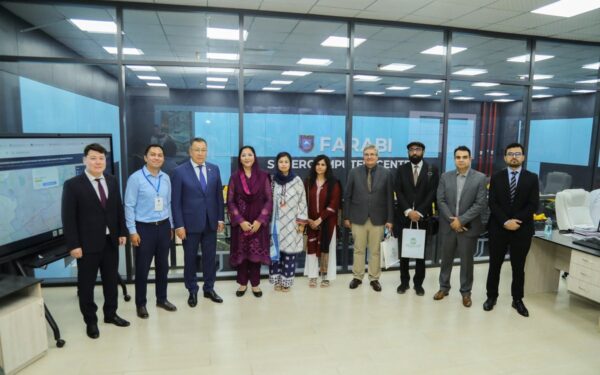
FAISALABAD: The Pak-Korea Nutrition Center (PKNC) recently held its third meeting of the Scientific Advisory Board (SAB), focusing on reviewing progress in combating malnutrition. The meeting, chaired by Prof. Dr. Zulfiqar Ali, Vice Chancellor of the University of Agriculture Faisalabad (UAF), brought together a diverse group of experts from academia and international development agencies.
The board reviewed the Mid-Term Progress Report and the future work plan of PKNC, highlighting significant achievements over the past three years. These include training more than 12,000 frontline nutrition workers, developing over 50 nutritious and fortified food products, establishing modern research and training facilities, strengthening provincial outreach centers, and awarding competitive national research grants.
Prof. Dr. Zulfiqar Ali emphasized the importance of capacity building in achieving sustainable improvements in public health and nutrition. He stressed the need to further strengthen PKNC’s digital transformation initiatives, outreach mechanisms, and marketing strategies to maximize impact at the national level. Prof. Dr. Iqrar Ahmad Khan, Chairperson of Punjab Higher Education Commission (PHEC), echoed this sentiment, urging higher education institutions to play a more proactive role in addressing national nutrition challenges through interdisciplinary research.
Ms. Sodam Baek, Deputy Country Director of Korea International Cooperation Agency (KOICA) Pakistan, highlighted the center’s achievements and its potential as a flagship initiative demonstrating international collaboration in addressing malnutrition. She noted that the Pak-Korea Nutrition Center has effectively strengthened institutional capacity, generated evidence-based solutions, and supported nutrition initiatives.
Dr. Irfan Abbas, Director-P&D at UAF and Project Coordinator PKNC, conducted the proceedings and presented the agenda of the meeting. Prof. Dr. Muhammad Atif Randhawa, Central Project Director of PKNC, briefed the board on strategic achievements, emphasizing contributions to national nutritional excellence, research expansion, institutional capacity enhancement, evidence-based policymaking, and product development.
The meeting also finalized themes for Round-II Research Grants and Startups, indicating ongoing commitment to innovation and entrepreneurship in the food and nutrition sector. The collective effort of academia, development partners, and policymakers is seen as crucial in addressing Pakistan’s nutritional challenges and promoting healthier communities.
Capacity building remains central to achieving sustainable improvements in public health and nutrition.
Prof. Dr. Zulfiqar Ali, Vice Chancellor, University of Agriculture Faisalabad
Universities must play a more proactive role in addressing national nutrition challenges through interdisciplinary research, innovation, and stronger linkages with policymakers and industry.
Prof. Dr. Iqrar Ahmad Khan, Chairperson, Punjab Higher Education Commission (PHEC)