Key Takeaways
- The Trump administration is proposing a rule change that could reduce public involvement in the permitting process for data centers.
- Environmental groups and community activists are concerned this will make it easier to build polluting facilities without local consent.
- Data center operators argue such changes would streamline the process, allowing more efficient use of infrastructure.
The Environmental Protection Agency (EPA) is considering a rule change that could significantly alter how public input is sought during the permitting process for certain new sources of air pollution, including data centers. This move has sparked concern among environmental advocates and community activists who fear it will make it easier to build polluting facilities with minimal local oversight.
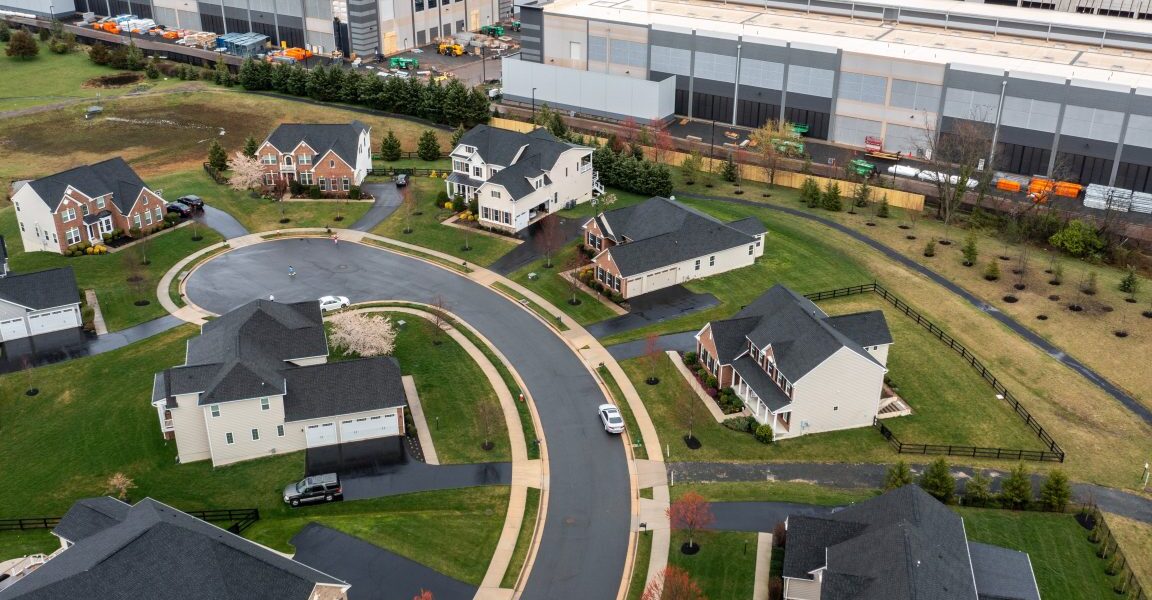
During a recent public hearing on Wednesday, representatives from the EPA proposed a rule that would grant states greater discretion in determining how the public participates in the permitting process for new sources of air pollution. This could potentially allow data centers and other similar facilities to be built with less notice to nearby communities, reducing opportunities for local opposition.
Vanessa Lynch, an organizer with Moms Clean Air Force based in Pennsylvania, expressed her concerns at the hearing. 'As someone actively working in communities with data centers, I know this to be fundamentally true: People want to have a say,' she stated. This sentiment reflects the broader pushback against data center expansion that has been observed across the United States.
The proposed rule change is part of a larger trend where technology firms are seeking more favorable conditions for building and expanding their operations, particularly in the realm of data centers which require significant energy consumption. These facilities often face resistance from local communities due to concerns over environmental impact and noise pollution.
While data center operators argue that such changes would streamline the permitting process and allow for more efficient use of infrastructure, critics contend that reducing public participation could lead to unchecked development in sensitive areas. 'The current system ensures that communities have a voice,' said Lynch, emphasizing the importance of maintaining transparency and community engagement.
Environmental groups are particularly wary of this rule change as it could impact their ability to monitor and challenge the construction of new data centers. 'Any rollback on public participation is concerning because it undermines democratic processes,' added Lynch, highlighting the potential long-term implications for local communities.
The proposed changes have not yet been finalized, but if implemented, they could have far-reaching consequences for how ordinary people are notified about new or expanded polluting facilities in their neighborhoods. This move underscores the ongoing tension between technological advancement and environmental protection, as well as the broader debate over public participation in regulatory processes.
'As someone actively working in communities with data centers, I know this to be fundamentally true: People want to have a say,'
Vanessa Lynch, Pennsylvania organizer with Moms Clean Air Force