Key Takeaways
- Police arrested 1,002 drug peddlers from January to July 22, 2026.
- Drug dealers now use messaging apps and enlist beggars for home delivery.
- Synthetic drugs are more harmful and carry a higher price than organic ones.
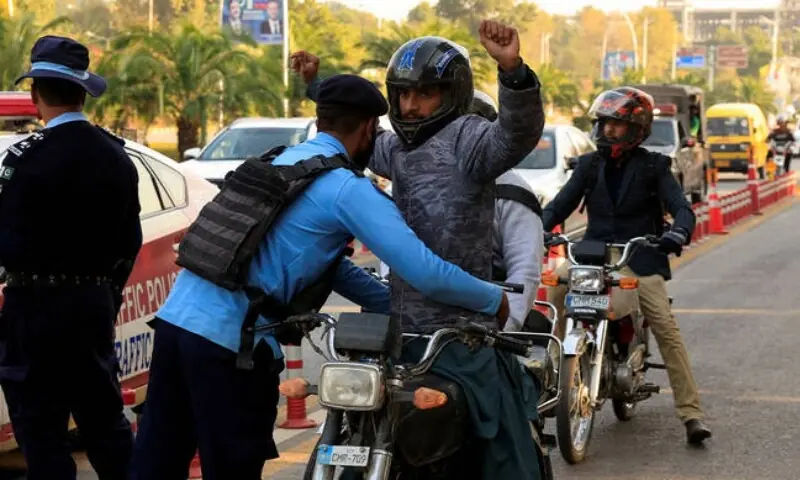
In response to increased police activity in Islamabad, drug dealers have adapted their illegal business by leveraging online platforms and enlisting the help of beggars. According to officials from the capital police, 1,002 drug peddlers were arrested between January 1 and July 22, 2026, with 98 cases registered around educational institutes.
The shift towards digital methods has seen dealers using messaging apps to sell narcotics, particularly in areas surrounding universities. Additionally, beggars have been recruited as delivery agents, often dropping off drugs at designated spots for buyers. This tactic was employed after professional peddlers were identified or arrested.
To counter this trend, the police have implemented a strategy that includes physical checks of delivery boys and the installation of cameras around educational institutions. The Safe City Islamabad Authority has also been involved in these efforts to monitor drug deliveries more effectively.
The police noted that drugs are often smuggled into Islamabad from neighboring regions using various modes of transportation, with goods vehicles being commonly used for concealment. Notably, Doray village remains a significant hub for illegal drug activities within the city limits.
Drug prices vary significantly depending on type: one kilogram of charas costs Rs50,000, opium is priced at Rs90,000, heroin at Rs70,000, ice at Rs1 million, and cocaine at Rs1.2 million. A single ecstasy pill sells for Rs1,000.
In a statement to Dawn, a police spokesman confirmed that drug dealers are now using online services and beggars to continue their illegal activities despite the crackdown. The police have also emphasized the need for severe punishment for those involved in synthetic drugs due to their higher harmfulness.