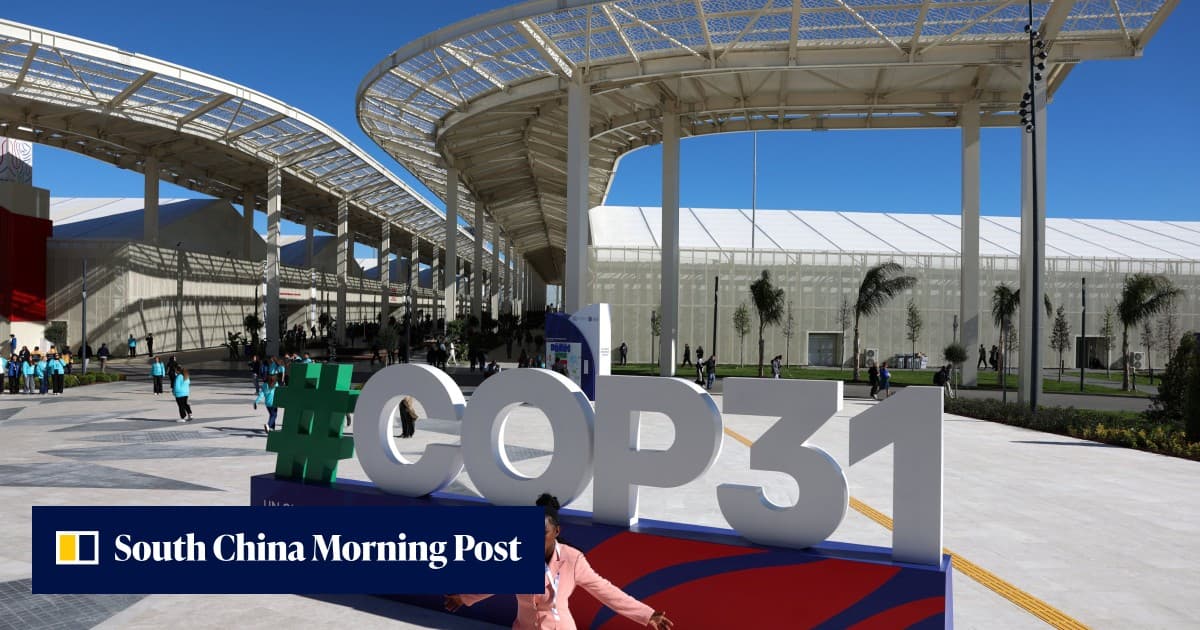
Leaders at the Cop31 climate summit began a two-week UN conference in Turkey on Monday, urging the international community to accelerate efforts against global warming. The appeal comes as rising temperatures and climate-driven disasters threaten the global economy and human lives. UN Climate Change Executive Secretary Simon Stiell stated in prepared remarks that the urgency of the moment must drive progress forward, noting that current progress is nowhere near fast enough.
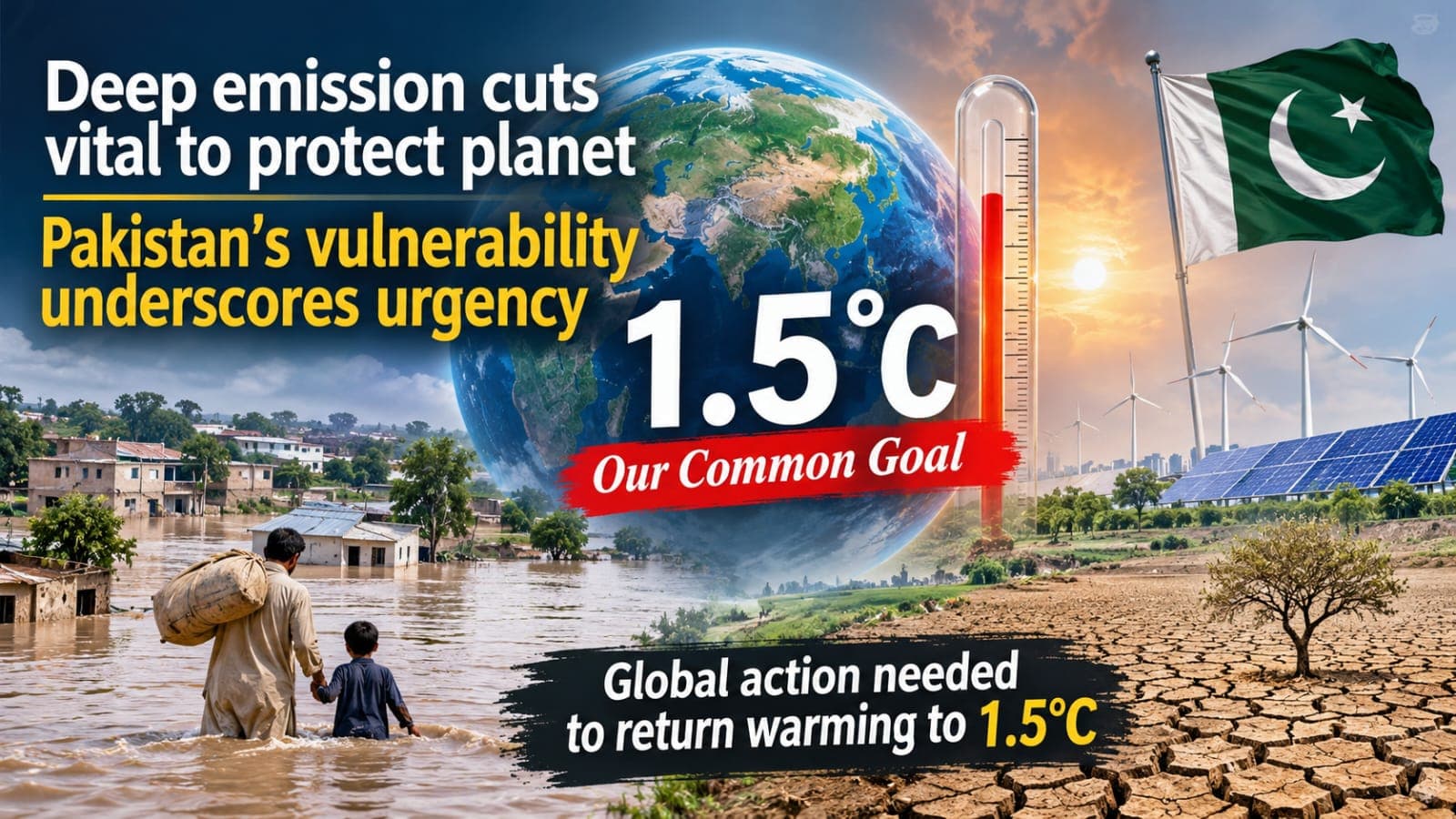
The summit opened against a backdrop of significant environmental milestones and disasters. A United Nations Environment Programme report from October stated the world is already set to overshoot the 1.5 degrees Celsius warming threshold established at the 2015 Paris summit. Furthermore, a UN report released on Monday indicated that this year is on track to be one of the four hottest on record due to a powerful El Nino. Recent events cited include extreme heatwaves in western Europe and a glacier collapse in Nepal that caused a catastrophic flood, killing more than 1,450 people with thousands still missing.
Turkey, the host of Cop31, has centered this year’s summit on a goal to electrify more than a third of the global economy by 2035, an increase from the current level of around one-fifth. Turkey is asking nations to sign a pledge supporting this target, which could theoretically reduce emissions by shifting away from fossil fuel-powered vehicles, furnaces, boilers, and cooking stoves. Turkey’s Cop31 President Murat Kurum said in prepared remarks that the goal is for people to feel results in daily life through energy-efficient buildings, clean public transport, affordable energy, and new jobs.
However, climate advocates have criticized the pledge because it does not require the new electricity to come from low-carbon sources. This has sparked an early debate over whether electrification alone constitutes climate progress.
The summit also addresses the global reliance on fossil fuels highlighted by the Iran war and Russia’s invasion of Ukraine. The Iran war, now in its ninth month, has disrupted Middle East oil shipments through the Strait of Hormuz, raising global fuel prices. In response, the administration of US President Donald Trump, which is shunning climate talks for the second year running, has encouraged policies to maximize oil, gas, and coal production. Additionally, South Korea, India, Thailand, and other Asian nations have increased their reliance on coal or taken steps to boost coal-fired power generation. John Holdren of Harvard University, a former science adviser to Barack Obama, observed that many people who were previously embarrassed to argue for high fossil fuel use now feel empowered to do so.
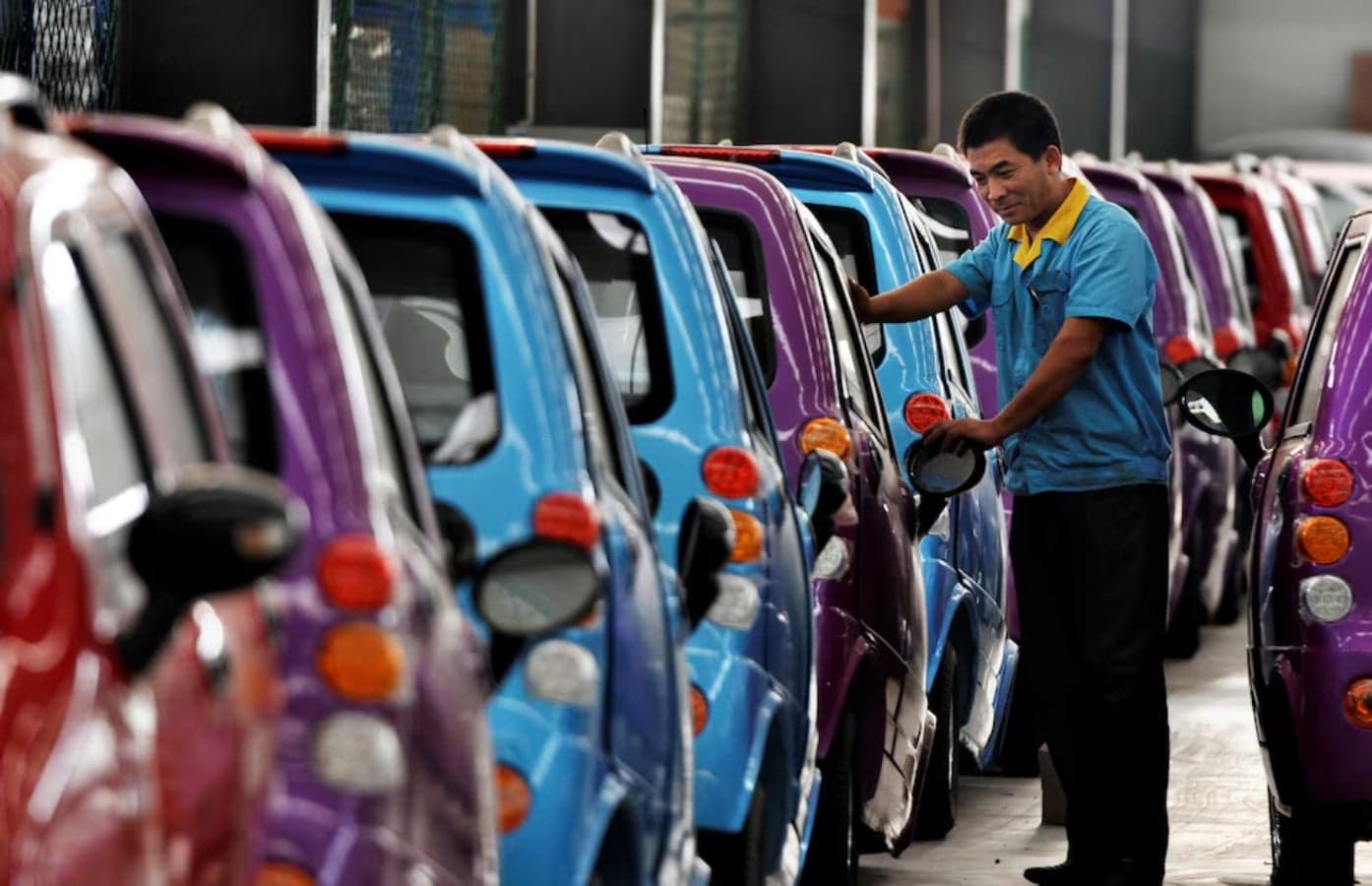
Conversely, the deployment of renewable energy has risen, supported by China's exports of cheap clean tech. Simon Stiell told the summit that renewables are the clear answer to energy security, stating that this year’s fossil fuel cost chaos has hit households hard and spread inflation like a cancer, while renewable installations have saved the global economy hundreds of billions of dollars.
The rapid roll-out of AI is also complicating the talks by driving up global power demand and greenhouse gas emissions. Turkey intends to call on governments and businesses at Cop31 to sign a pledge outlining principles for sustainable AI development. Chris Bowen, Australia’s president of Cop31 negotiations, expressed hope that the conference would demonstrate that multilateralism works, stating that Paris is working but that the world must move faster.