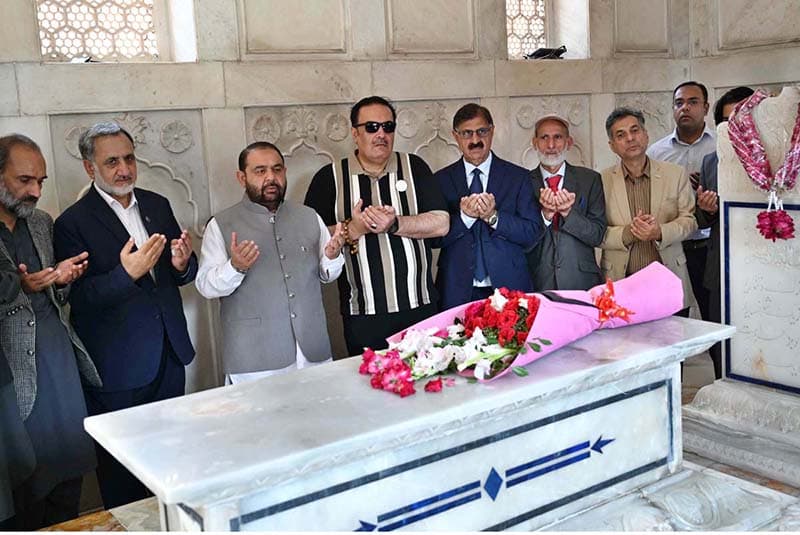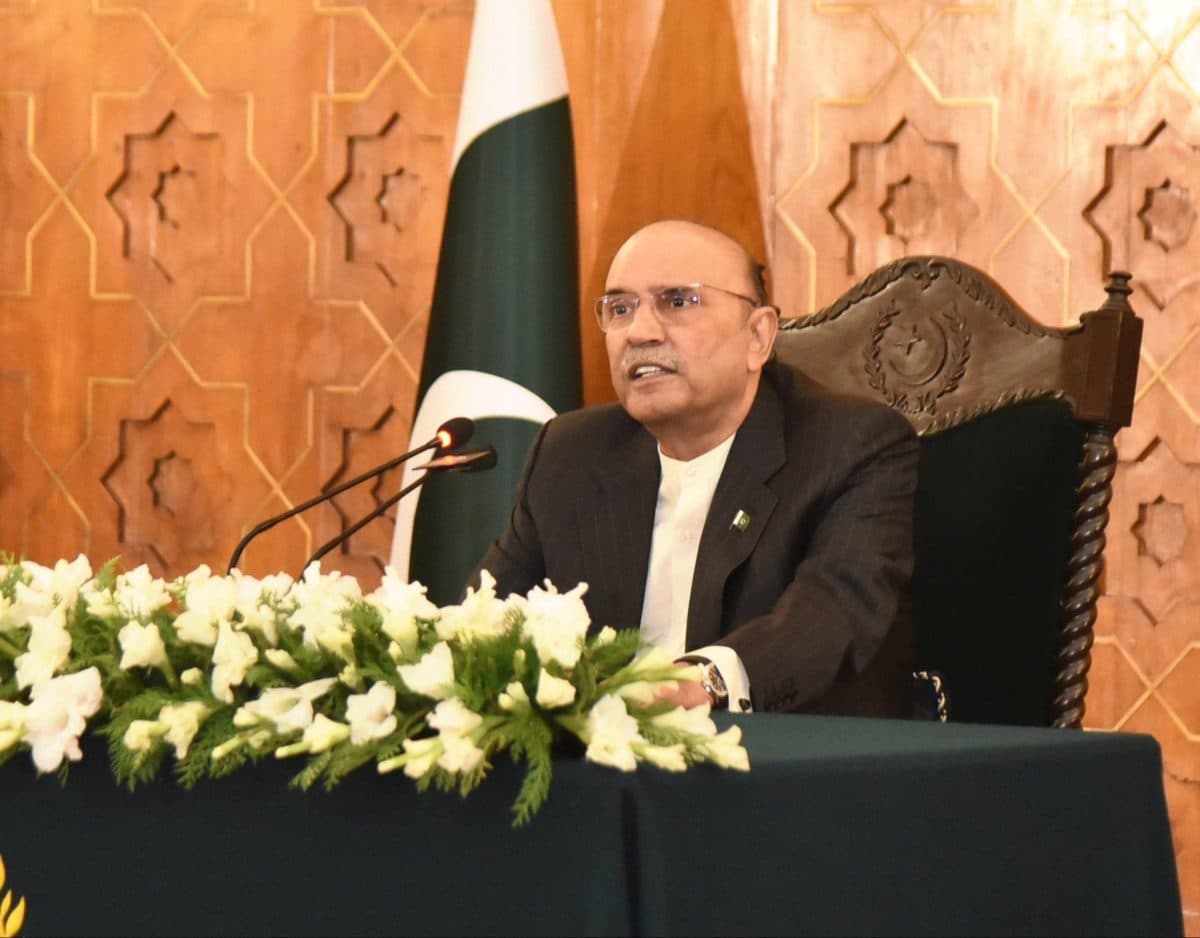
President Asif Ali Zardari has called on the youth to use the poetry of Dr. Allama Muhammad Iqbal as a catalyst to develop critical faculties and boost the spirit of inquiry. In a message released on November 9, 2026, to mark the 149th birth anniversary of the national poet, the President paid tribute to Iqbal’s ability to awaken people to their dignity, rights, and the power to shape their own destinies.
The President stated that Iqbal provided intellectual direction to the aspirations of the Muslims of the Subcontinent while addressing a broader human struggle for freedom, equality, and self-respect. He noted that Iqbal envisioned a society where wealth, privilege, and inherited status would no longer determine a person's worth or opportunities. According to the President, Iqbal's poetry challenged exploitation, called for the awakening of the poor, and upheld the dignity of labor by placing ordinary people at the center of humanity’s future.
Zardari described Iqbal’s vision as an egalitarian society. He said this vision calls for a Pakistan where workers receive fair wages, farmers enjoy the fruits of their labor, and every child can advance regardless of faith, gender, or family circumstances. The President identified "Khudi"—the development of a confident, purposeful, and responsible self—as the heart of this vision. He explained that Khudi grows through knowledge, effort, courage, and strength of character, noting that a person conscious of their own dignity must also respect the dignity of others.
The President applied these principles to nations, stating that national self-respect requires the capacity to make independent decisions and engage with other countries on the basis of equality and mutual respect. He remarked that for him, fidelity to Iqbal’s vision means building a Pakistan where no citizen’s dignity is diminished by poverty and no child’s future is limited by birth.
Regarding the broader region, the President said Iqbal’s poetry carried a message of Asia’s awakening, urging its peoples to overcome subjugation and become makers of their own future. He suggested that as the world looks toward the dawn of an Asian century, Iqbal’s message of freedom from hunger, access to knowledge, and respect for sovereignty acquires renewed significance. He stated that Pakistan must help realize this through education, scientific progress, regional cooperation, and peace.
The President also linked this struggle for the empowerment of ordinary people to the political history of Shaheed Zulfikar Ali Bhutto and Shaheed Mohtarma Benazir Bhutto, who gave voice to those denied influence. He concluded by urging the nation to translate Khudi into confidence rooted in knowledge, national self-respect into hard work, and the ideal of equality into justice in everyday life.