The chairman of the Pakistan Fintech Network argues that Pakistan has a significant opportunity to build modern financial infrastructure around gold, an asset already deeply embedded in the culture of the country. He notes that families currently use gold for weddings, as an emergency reserve, and as a way to protect against currency depreciation, often because the formal financial system has failed to provide adequate alternatives.
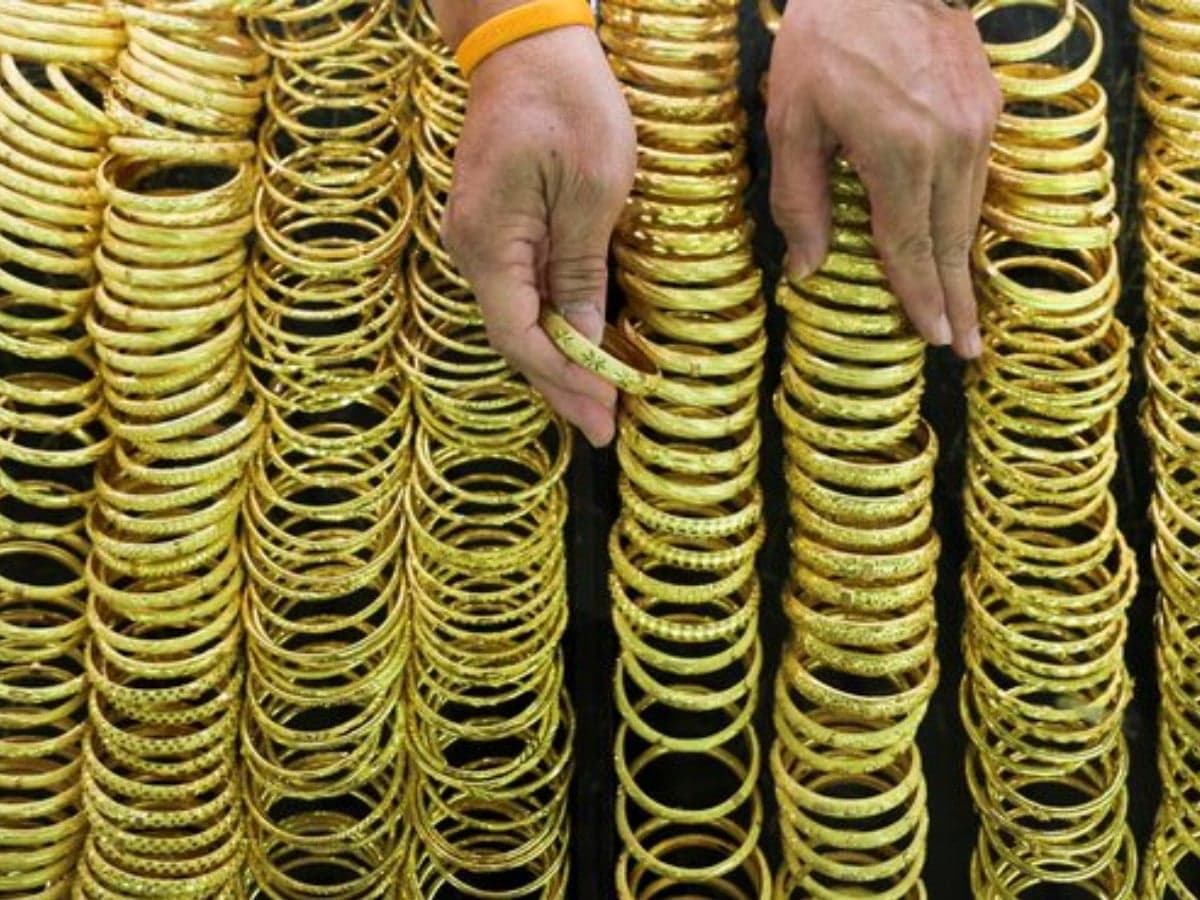
According to the chairman, the Competition Commission of Pakistan estimates that annual gold consumption is between 60 to 90 tonnes, with more than 90% of that trading occurring outside of formal channels. He states that the goal is not to create demand, as it already exists, but to provide a convenient and transparent way for ordinary citizens to acquire small amounts, hold them safely, and sell them when needed.
The chairman proposes a digital gold savings account where a customer could buy as little as Rs1,000 of gold through a mobile wallet. This money would purchase a fractional holding in physical gold maintained by an independent custodian. Customers could then add smaller amounts, such as Rs500 or Rs2,000, over time to accumulate gold based on available cash rather than having to save enough for a full coin or bar.
The proposed model allows for different outcomes based on the user's needs. A saver could continue buying until they have enough for physical delivery, such as for a daughter's wedding, while someone facing a medical bill could sell part of their holding. The chairman emphasizes that the ability to sell at any time must be central to the product, with clear arrangements for execution and settlement to ensure liquidity for unexpected expenses like school fees or medical costs.
To ensure security, the chairman insists that every gram credited to a customer must be supported by an equivalent quantity of physical gold that is independently held, insured, and audited. He warns that customer ownership must be legally protected and separated from the platform's own assets to prevent savers from being exposed to the operating company's financial problems.
Transparency and trust are also key requirements. The chairman states that customers should see the weight owned, the rupee value, purchase and sale prices, and all applicable charges before a transaction. He also highlights the need to protect women by ensuring accounts establish who owns the gold and who can sell it, ensuring digital access strengthens rather than complicates individual control.
The chairman suggests several ways to build this infrastructure, including certificates for fractional ownership or digital tokens, both of which would require regulatory approval. He notes that while blockchain might support record-keeping, customers should not need to understand the technology to use it. He recommends that distribution occur through existing banks, wallets, and fintechs, and suggests that gold-backed lending could eventually be offered once the savings functions are working independently.
He concludes that a limited pilot should test these functions, including withdrawals during busy periods, before expanding to millions of customers. For providers, the chairman notes that the commercial test involves keeping costs low enough so that small balances remain affordable for the intended customers.