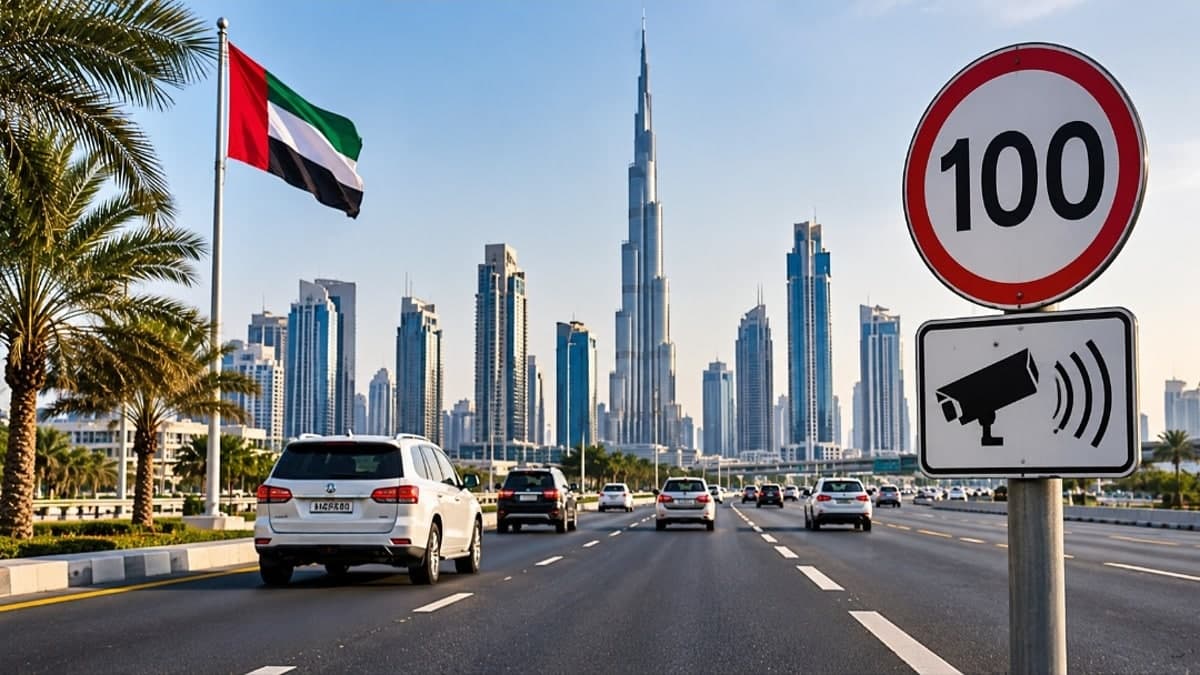
The United Arab Emirates will introduce several changes to its traffic laws starting January 1. These updated regulations are intended to reduce road accidents, ease traffic congestion, improve child passenger safety, and limit the amount of time drivers spend behind the wheel. The government stated these changes are part of a broader effort to improve road safety as the country’s growing population puts increasing pressure on the transport network.
The amended federal law introduces a maximum driving limit of nine hours within any 24-hour period to reduce driver fatigue. However, authorities have not clarified whether the restriction will apply to both private and professional drivers. This rule could have significant implications for employees and operators of delivery services, buses, and taxis.
Regarding personal mobility, the minimum age for obtaining an e-scooter permit will be 15, with the permit remaining valid for three years. It remains unclear whether Dubai’s existing minimum age requirement of 16 will change or how authorities will reconcile the two requirements. The law will introduce a classification system for devices including bicycles, e-bikes, e-scooters, small-wheeled cycles, skateboards, and mobility aids for the elderly and individuals with disabilities. Riders may only use these vehicles on routes and roads designated by licensing or traffic control authorities in each emirate.
Article 4 of the updated law introduces mandatory safety requirements for e-scooters and e-bikes. These vehicles must have a front light for nighttime visibility, a rear light with a red brake light, and an audible warning device like a bell or horn on the handlebars. Each vehicle must have at least one rear-wheel brake, properly maintained tires, and intact wheel spokes under appropriate tension, with all components remaining in safe working condition.
New rules for motorcycle delivery riders will prohibit them from carrying passengers while completing deliveries. They are also banned from using backpacks to transport orders and must instead use approved delivery equipment. These changes follow plans by Dubai’s Roads and Transport Authority to use cameras and smart sensors to monitor delivery riders’ speed, location, and driving behavior to identify dangerous riding and improve compliance.
Drivers will be required to provide appropriate safety seats for children aged four and under. The seats must match the child’s height and weight, be installed in the rear passenger seats, and meet national safety standards. Exceptions are allowed for children with medical conditions that prevent the use of protective seats, provided guardians submit an official medical certificate and another person accompanies the child in the rear seat. In vehicles without rear seats, a seat may be installed in the front if it faces backward and the airbag is deactivated.
The new legislation sets a maximum limit of five vehicles that one person can register. Anyone registering or renewing a third, fourth, or fifth vehicle will have to pay an additional fee. However, the regulations do not specify the additional charges or explain how the limit will affect people who already have more than five vehicles registered in their names. The standard fee for registering a new vehicle is Dh400, while renewal costs Dh350, with an additional Dh150 inspection fee.
Owners of eligible light vehicles that were new when initially registered and are no more than six years old from their manufacturing date may apply for a two-year registration period instead of the existing one-year validity. Owners will need approval to benefit from this extended period.
The updated federal law will allow individuals to provide first aid to people injured in traffic accidents, provided they hold a valid, accredited certificate confirming completion of first aid training and have the physical ability to respond appropriately to the injured person’s condition.
New driving licence validity periods will be introduced based on age and nationality once temporary licence holders reach 21, or when drivers who obtained their first licence at 21 or older renew it. UAE and GCC nationals will receive a 10-year validity period, while expatriate residents will receive five years.
Finally, the law establishes eyesight standards for drivers of different vehicle categories. Stricter vision requirements will apply to drivers of light and heavy buses as well as operators of light and heavy machinery. Licensing authorities may also accept eyesight examination reports issued outside the UAE when drivers apply to renew their licences.