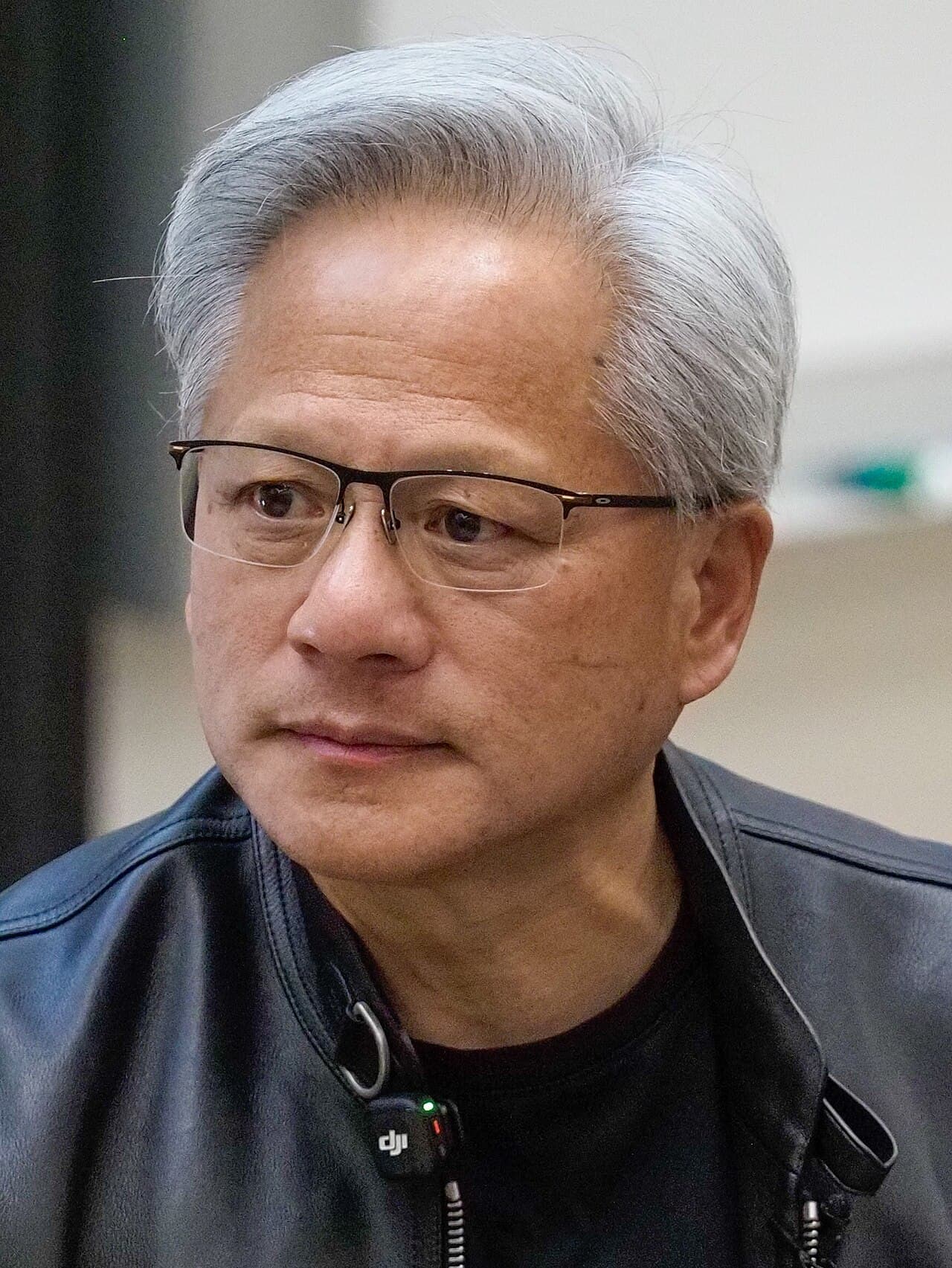
Analysts suggest that a political storm involving allegations that Nvidia CEO Jensen Huang was targeted in an espionage operation, combined with a Democratic victory in the US midterms, could intensify Washington’s tech blockade on China. The developments may provide Congress with the momentum needed to close loopholes in semiconductor restrictions, specifically targeting third-country chip smuggling and cutting Chinese firms off from overseas cloud computing clusters.
Kang Mengjie, an analyst at boutique consultancy Hutong Research, stated that the investigations and the incoming Democratic-controlled Congress will increase pressure for tighter export controls and stronger enforcement. Kang also noted the controversy gives lawmakers fresh grounds to examine whether executives’ access to the White House influenced export policy decisions or the administration’s response to national security concerns.
The situation threatens to undermine Huang’s position as a prominent corporate champion for maintaining US semiconductor trade ties with China. Myron Xie, AI supply chain lead at research firm SemiAnalysis, said Huang and Nvidia’s lobbying for looser rules on selling graphics processing units to China will be viewed in light of potential influence from a foreign state actor. Xie added that the scandal could breathe new life into the Remote Access Security Act, a bill that cleared the House in January but has not yet passed the Senate. The bill would expand US export controls to cover some foreign entities’ remote access to American computing technology.
Paul Triolo, partner at advisory firm DGA-Albright Stonebridge Group, echoed Xie’s assessment, adding that the incident and any ensuing investigation could bolster efforts to advance bills such as the Overwatch Act and the Remote Access Security Act in early 2027. Severing remote access would target a major channel for Chinese AI development. A study by the Institute for Progress identified four main routes for Chinese firms to obtain advanced computing power: domestic chips, legally compliant lower-specification US imports, illicit smuggling, and remote access to offshore data centres.
Mehran Gul, author of The New Geography of Innovation, noted that Chinese tech giants have relied heavily on overseas facilities to train frontier AI models because direct exports of top-tier processors are barred. Gul stated that less availability of compute is one reason why China lags behind US frontier labs. However, Gul also warned that Washington could make those channels narrower and costlier, but not shut them, as restricting overseas cloud access requires cooperation from hosting hubs like Singapore, Malaysia, and the United Arab Emirates.
While a clampdown could strengthen the commercial case for a domestic AI tech stack, Gul noted that Chinese labs have learned to do more with less compute. Regarding domestic substitutes, Ben Reynolds, a senior analyst at Rhodium Group, said Huawei does not have spare capacity to meet the surge in demand that would result from the US cutting off those channels.
Enforcing these bans remains a challenge. Lizzi C. Lee, a Chinese economy fellow at the Asia Society Policy Institute’s Centre for China Analysis, said tracking end users is difficult due to layers of distributors, third-country intermediaries, and resellers. Kang Mengjie added that while Washington has the means to disrupt major channels and reduce the scale and reliability of illicit supply, closing every route is unlikely.
The controversy stems from reports that US intelligence agencies suspect the woman involved in Huang’s admitted extramarital affair was gathering information for China. Nvidia’s board announced on Sunday that it is launching an independent inquiry. Beijing has dismissed the espionage allegations as a groundless smear campaign. Nvidia stated it has found no reason to believe US national security or corporate secrets had been compromised and added that Huang would cooperate fully with the probe.