China's Ministry of Industry and Information Technology is seeking public feedback on draft interim measures to establish a unique identity for every robot across all categories. The official notice was published on November 6, with a public-comment period running through December 5.
The ministry states the purpose of the proposed measures is to create a unified robot identity system to standardize production and support safety governance. According to IT Home's Chinese account of the draft, the proposed identifier would consist of four components: a manufacturer code, a product-description code, a product-sequence code, and other codes.
The draft indicates that coding and assignment would follow the national standard GB/T 48541-2026. However, IT Home reports that this standard is itself currently at the consultation stage. Therefore, the reference should not be treated as proof that a fully implemented national coding regime is already operating; final requirements will depend on the completed measures and the applicable standard.
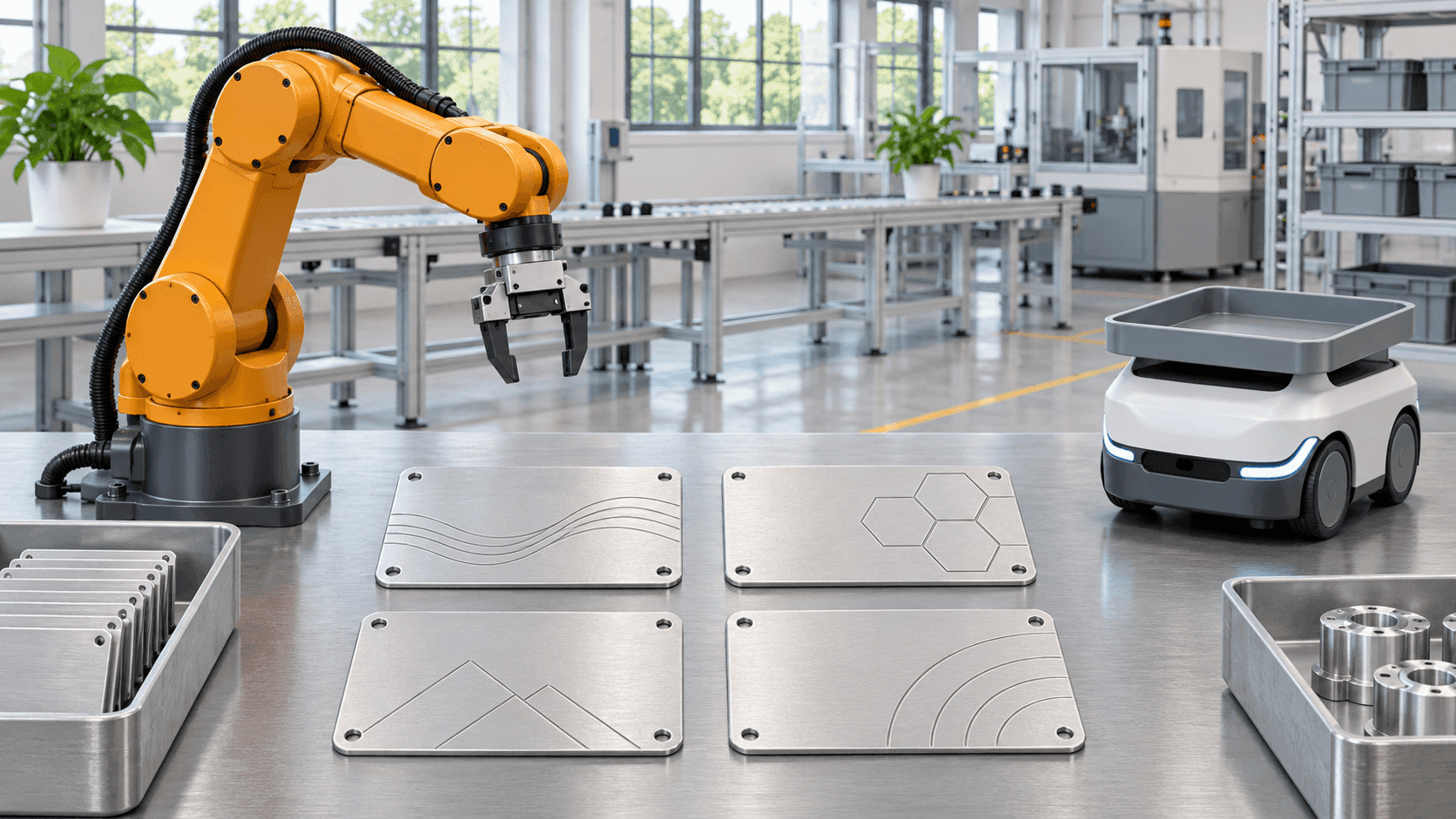
The proposed framework is intended to cover industrial, service, and special-purpose robots, which extends beyond the humanoid category addressed by an earlier initiative. The goal is to make an individual product identifiable throughout its manufacturing, circulation, use, and eventual retirement or recycling, rather than relying on a model name shared by multiple machines.
This new consultation concerns physical robot products and should be distinguished from an AI-agent identity registry unveiled at Wuzhen this week. While both concern traceability, they identify different kinds of systems, as the Wuzhen registry addresses software-agent identity and interoperability.
IT Home reports that a humanoid-robot lifecycle management service platform was introduced in May under the ministry's humanoid robotics and embodied-intelligence standardization work. That specific platform used a 29-character, four-part identifier spanning country, enterprise, product, and serial codes. IT Home reports that by May, more than 100 companies and over 28,000 humanoid robots had been covered by that earlier platform, but these figures do not describe the adoption of the newly proposed all-category measures.