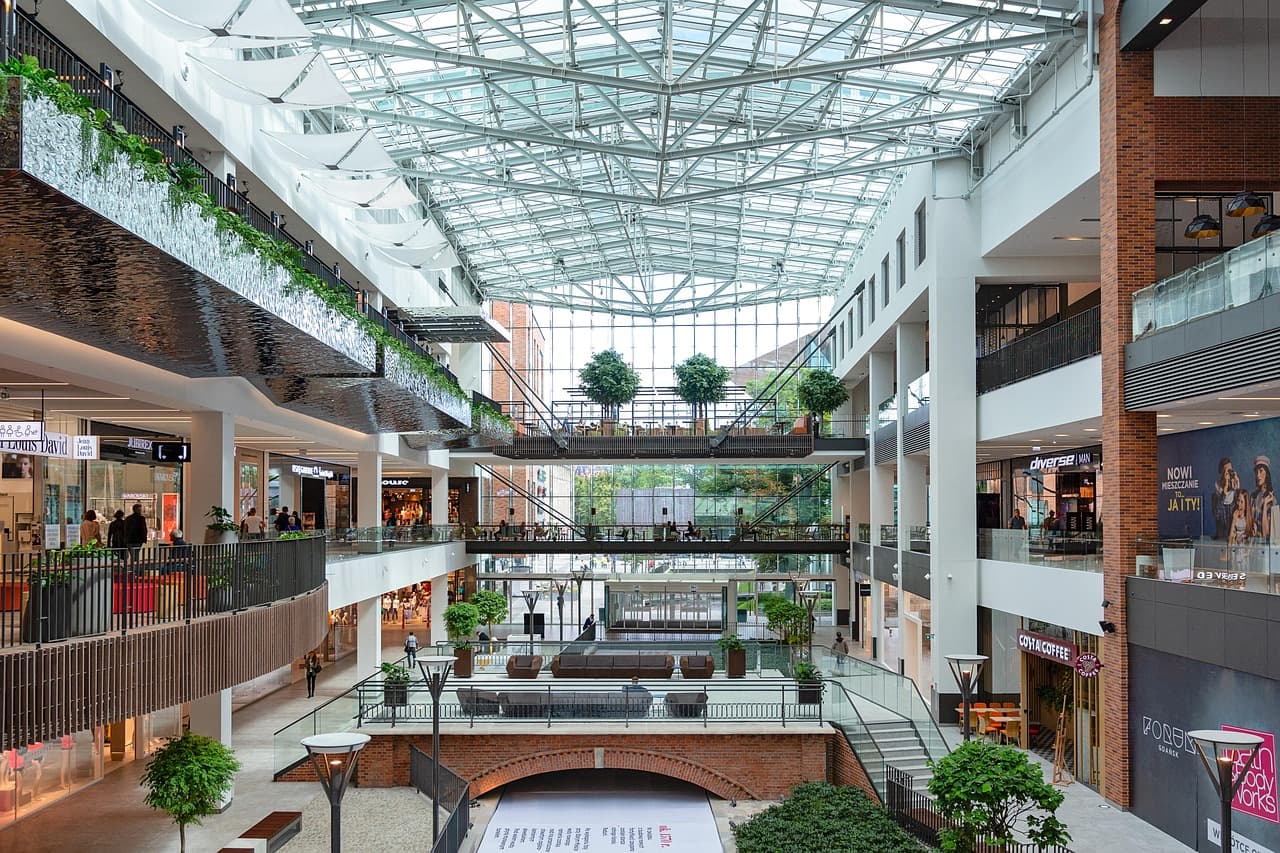
Baidu Maps has introduced a dedicated indoor-navigation feature for its HarmonyOS version, starting with 106 large commercial venues and popular shopping malls across 22 cities. According to an IT Home report on November 7, the service utilizes Huawei's positioning technology to guide users from mall entrances to specific shops.
The feature is designed to provide continuous guidance between outdoor and indoor spaces without requiring users to manually change modes. Baidu stated that floor switching happens automatically, specifically highlighting scenarios such as finding an entrance or taking an elevator.
The 106 venues represent the first batch of locations for this HarmonyOS-specific rollout and do not represent the total size of Baidu Maps' entire indoor-mapping database.
This launch follows a Huawei briefing on October 12 regarding positioning across various settings, including tunnels, elevated roads, garages, sports tracks, and retail buildings. During that briefing, Huawei described using a collection of techniques tailored to those specific settings rather than a single positioning method.
Huawei previously stated that its wider location-service infrastructure supported 500,000 commercial-district geofences and indoor positioning in 17,000 buildings. Additionally, Huawei's Petal Maps app offered shop-level navigation in more than 260 malls. However, these figures are separate from Baidu's new 106-venue rollout and are not places already supported by this specific Baidu Maps feature.
The October 12 briefing also detailed GNSS carrier-phase measurements and a HiSilicon short-range chip for lane-level navigation, as well as RTK combined with AI-based pedestrian dead reckoning for sports tracks. The sub-meter accuracy mentioned for road navigation is not an accuracy specification for the new indoor service.
The primary change is the integration of Huawei's positioning capabilities into Baidu Maps' HarmonyOS indoor-navigation experience. While the announcement establishes an initial venue count and floor-aware guidance, it does not provide an independent accuracy test or evidence that every indoor area within a covered mall is supported.