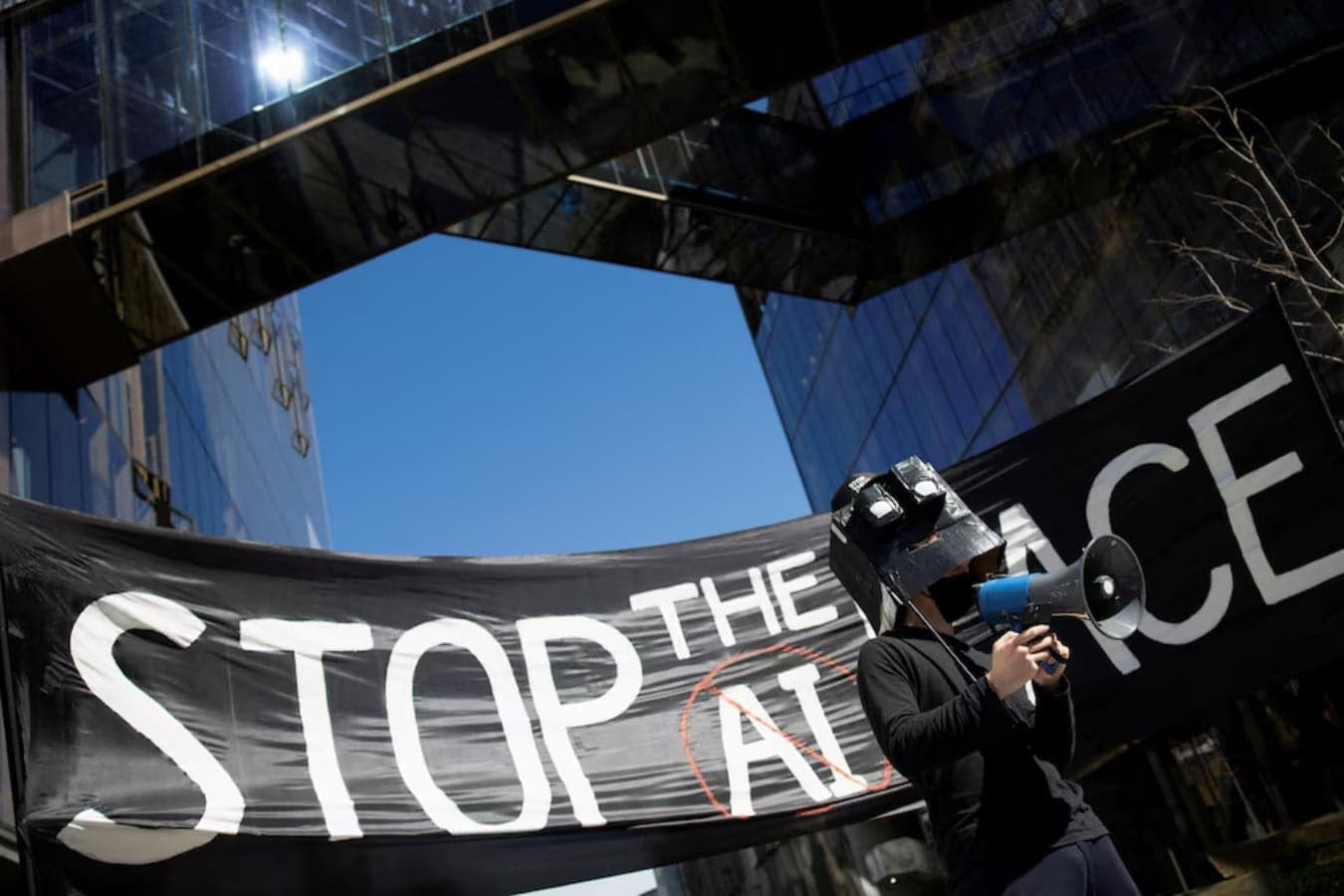
Democrats are planning to introduce a flood of new legislation targeting artificial intelligence systems and data-center development when they take control of the US Congress in January, according to lawmakers, congressional aides, and advocates. This plan represents a sharp shift from the current Republican-led Congress, which has largely focused on promoting AI development and declined to pass legislation restricting aspects of the technology, even as voters have turned against the rapid development of data centers and their extensive power needs.
The Democratic plans include bills aimed at shielding consumers from rising electricity costs tied to data centers, requiring independent testing of advanced AI systems, and clarifying when AI companies can be held liable for harm caused by their products.
Any legislation would face steep odds while Republican President Donald Trump remains in the White House, as he has repeatedly dismissed calls to write mandatory rules for AI technology. On Friday, Trump said he would work with US states that "want to become RICH" by embracing AI, though he did not offer details.
Democratic lawmakers and outside advocates stated that control of congressional committees would provide a platform to advance proposals, compel testimony from industry leaders, and build support for action if AI systems cause real-world harm. Representative Greg Casar, a Texas Democrat and chair of the Congressional Progressive Caucus, said this week that AI executives should be called to testify under oath.
Senator Chuck Schumer, a New York Democrat expected to become majority leader, said on Thursday at an event in Washington that protecting consumers from higher energy costs linked to the rapid expansion of data centers would be among his priorities next year.
Representative Lori Trahan of Massachusetts, a leading Democratic voice on AI policy, plans to push legislation requiring independent experts to evaluate leading AI models against safety standards, said her deputy chief of staff, Francis Grubar. Trahan will also pursue legislation clarifying that companies can be held responsible when AI systems act in harmful ways.