Key Takeaways
- Volkswagen's supervisory board voted against a proposed cost-cutting plan.
- The vote was 12-7, with worker unions opposing the measure.
- Unions hold significant power at VW Group due to their representation on the supervisory board.
Volkswagen Group has faced challenges in recent years, particularly in its home region where electric vehicle sales are booming. However, the company is struggling with costly tariffs and declining market share in China and North America, leading to a significant erosion of profit margins. In an attempt to address these issues, VW Group presented a plan to streamline operations, which included potential factory closures and job cuts. Despite the urgency, the proposal was met with resistance from key stakeholders.
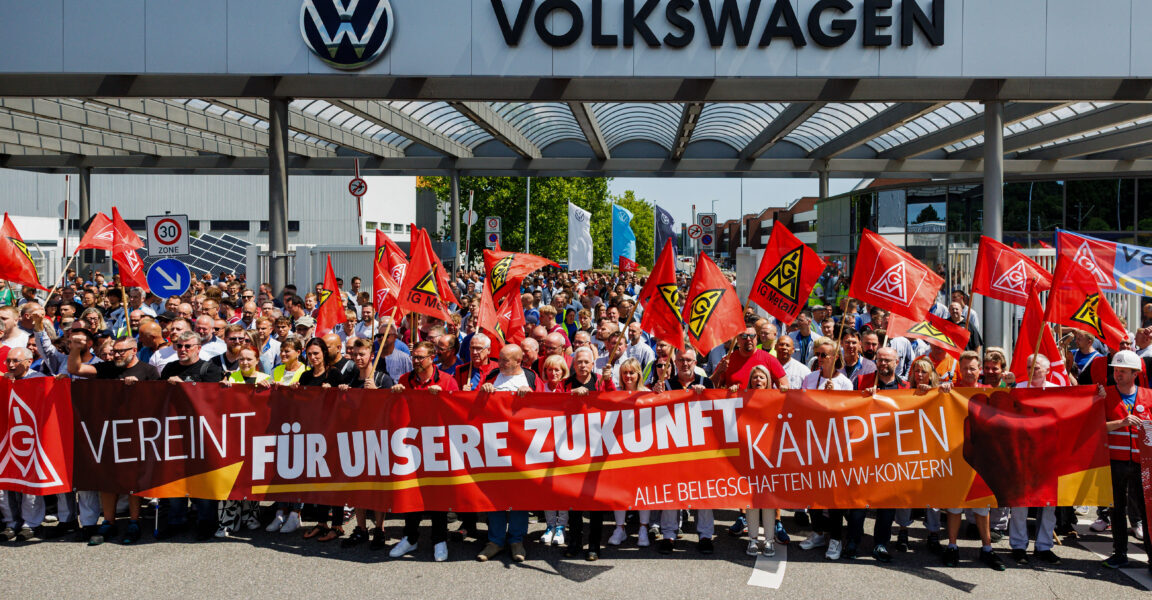
According to Reuters, the supervisory board's vote on the proposed cost-cutting measures ended in failure, with 12 members voting against it and only 7 supporting it. This outcome highlights the complex dynamics within the company, where worker unions wield considerable influence. The decision was particularly contentious given that half of the 20 seats on the supervisory board are appointed by worker councils, while two additional seats are held by representatives from the German state of Lower Saxony.
The power of the unions at VW Group is not a new phenomenon. Over the years, any suggestion of redundancies has sparked lengthy negotiations and disputes. In 2024, after months of discussions, VW Group and its unions agreed to a plan that would cut 35,000 jobs by 2030. This agreement underscores the importance of maintaining good relations with labor unions in ensuring operational stability.
The failure of this latest proposal is likely to have significant implications for the company's future strategy. While profit has been a critical factor, it is not the only consideration for decision-makers at VW Group. The company must now explore alternative approaches that can balance financial sustainability with the needs and rights of its workforce.
VW Group’s management will need to navigate these challenges carefully in order to maintain its competitive edge in an increasingly competitive automotive market. The ongoing negotiations between the company and its unions will be crucial in determining how best to address the current economic pressures while ensuring the long-term viability of the business.