Key Takeaways
- Internal report reveals human negligence and poor planning worsened recent flooding in Lahore and Gujranwala.
- 99 drains overtopped at 131 vulnerable locations, causing breaches and unauthorised cuts.
- Government urged to undertake comprehensive mapping of nullahs, drains, culverts, and flood-prone areas.
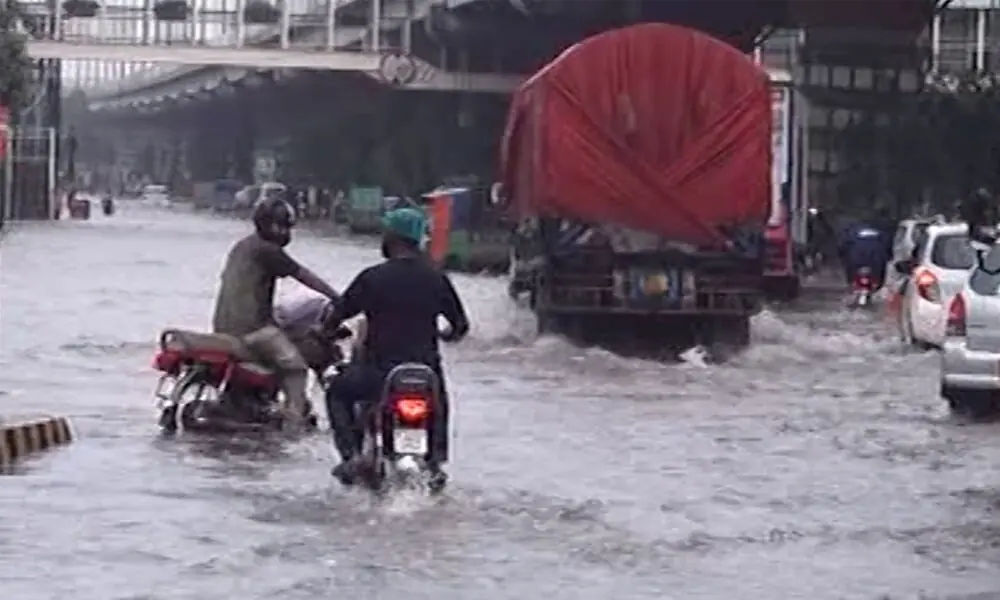
The recent flooding in parts of Lahore and Gujranwala divisions has highlighted the severe consequences of human negligence and poor planning. An internal report from the Punjab Irrigation Department underscores that the devastation caused by this year’s monsoon rains was not solely due to natural factors.
According to the report, old culverts were closed, natural waterways obstructed, and unauthorised cuts in drains made the situation worse. These actions have turned heavy rain into a catastrophe, with 99 drains overtopping at 131 vulnerable locations, leading to breaches and unauthorised cuts.
Local residents may have cut drains out of desperation to drain their flooded lands, but such actions only transferred problems from one area to another. This points to a larger failure in administration, where authorities should ensure communities have safe and legal drainage options before emergencies occur.
The government must move beyond temporary flood-fighting measures. Repairing breaches and deploying machinery are necessary emergency responses, but they cannot substitute for long-term planning. A comprehensive mapping of nullahs, drains, culverts, and flood-prone areas is essential.
Closed culverts that are crucial for natural drainage should be reopened or replaced with adequately designed structures. New roads, housing schemes, and other infrastructure must not obstruct established waterways. The proposed conversion of drainage systems into seepage-cum-storm-water drains also deserves serious consideration.
Flood management must become a coordinated responsibility involving irrigation, local government, highway, railway, and urban development authorities rather than remaining confined to one department. Climate change is increasing the likelihood of intense and unpredictable rainfall, making smarter, integrated, and climate-resilient infrastructure planning crucial.
The recent flooding should be treated not merely as a natural calamity but as a warning that Punjab urgently needs smarter, integrated, and climate-resilient infrastructure planning. Effective flood management begins long before the rains arrive, through preserving natural drainage channels, maintaining existing infrastructure, and ensuring development respects natural waterways and drainage patterns.
The government must take immediate action to address these issues to prevent future disasters. Failure to do so could result in repeated cycles of flooding and economic loss.