Key Takeaways
- The federal government has not finalized the Auto Industry Development and Export Policy 2026-31.
- Ministry of Industries and Production proposed higher tariffs to protect local manufacturers.
- Committee headed by Power Minister Sardar Awais Leghari failed to reach consensus on tariff rates.
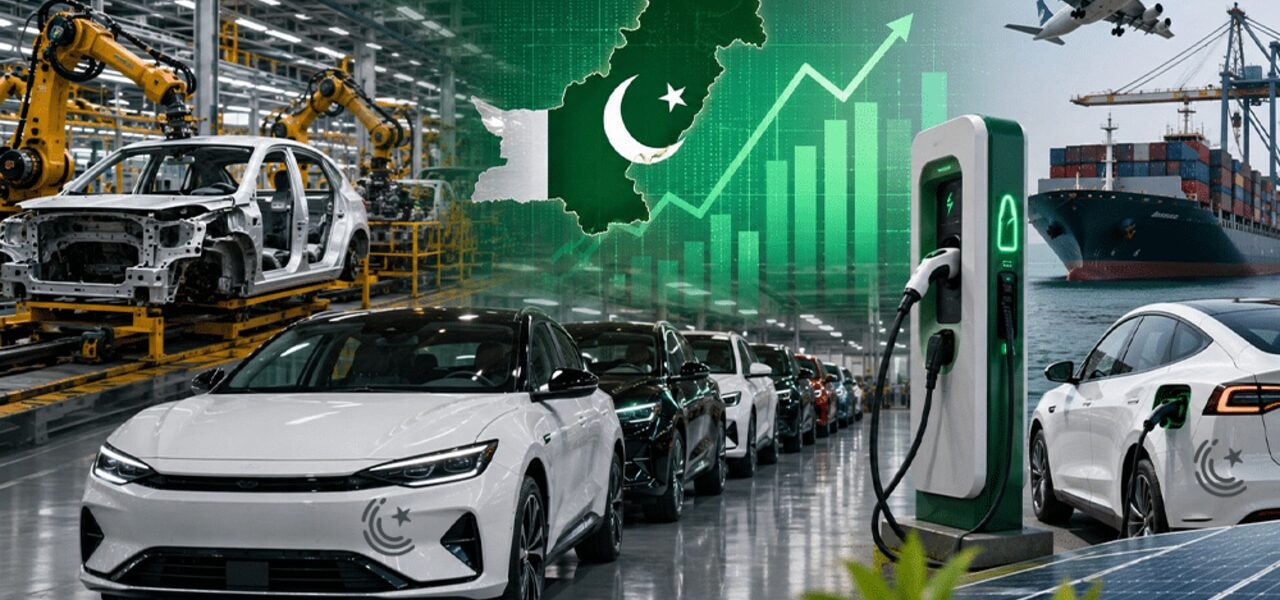
The federal government has yet to finalize the Auto Industry Development and Export Policy 2026-31, as a ministerial committee failed to agree on proposed tariff rates for imported vehicles despite multiple meetings this week.
The committee, led by Power Minister Sardar Awais Leghari, reviewed revised tariff proposals submitted by the Ministry of Industries and Production. However, differences remain between the government and industry stakeholders.
According to officials, the ministry has recommended a 60 percent customs duty on vehicles with engine capacities of 1,500cc to 1,800cc by 2030, compared with 15 percent under the National Tariff Policy. This rate is about 34 percent lower than existing tariffs but remains 300 percent higher than the tariff level envisaged under the national policy.
For vehicles with engine capacities of 1,001cc to 1,500cc, the ministry has proposed a 45 percent customs duty by 2030, while those above 1,801cc would face a 75 percent tariff. The ministry argued that higher duties are necessary to protect domestic manufacturers and encourage investment until issues such as taxation, energy costs, exchange rates, and financing costs are addressed.
The proposal also includes reducing customs duties on imported parts and kits under SRO 655 to support local parts manufacturing and import substitution. Additionally, the ministry has proposed federal excise duties of up to 60 percent on larger internal combustion engine vehicles and 9.5 percent on vehicles in the 800cc to 1,000cc category.
Differences also remain over export obligations and penalties for automakers that fail to meet export targets. The Ministry of Commerce has reportedly proposed a one-year transition period before implementing the lower tariff regime.
Leghari stated that the committee aims to finalize the policy as soon as possible but noted that additional analysis is required before a final decision can be made.