Key Takeaways
- The medical board tasked with exhuming the body of IBA graduate Mir Raza Ali has been reconstituted.
- Ali’s body, found in Karachi last month with a gunshot wound, is at the center of a controversy.
- His family believes he was kidnapped and murdered, while investigators suggest suicide.
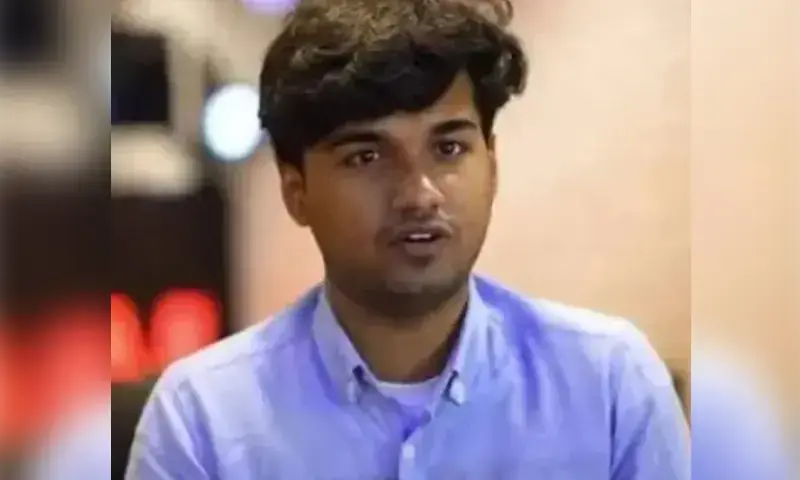
The medical board responsible for exhuming the body of Institute of Business Administration (IBA) graduate Mir Raza Ali has been reconstituted following a court order. Ali’s body, discovered in bushes near Gulistan-i-Jauhar with a gunshot wound, sparked a debate between his family and investigators.
Ali went missing on July 28 and was found the next day. His father filed an application to the Karachi court for exhumation, leading to the initial formation of a medico-legal board comprising eight members, including Dr Summaiya Syed as convener.
However, a new order issued by the Sindh health directorate general has changed the composition of the board. The new members include Prof Dr Zakiuddin from DUHS, Prof Dr Kazi Akbar and Prof Dr Abid Hussain Chang from LUMHS, and Hyderabad Police Surgeon Dr Waseem Khan.
The family’s lawyer, Jibran Nasir, expressed concerns over the reconstitution of the board. He alleged that the Sindh government had 'maliciously' changed the members without any explanation. The family stated they would not allow the new board to exhumate Ali's body and challenged the fresh notification at an appropriate forum.
Initially, a case was registered under Section 365 of the Pakistan Penal Code, alleging kidnapping or abduction with intent to confine a person. However, investigators have suggested that financial difficulties and a request for money from friends prior to his death might indicate suicide.
The controversy centers around the autopsy report, which has been disputed by both parties. The family believes Ali was kidnapped, tortured, and murdered, while police maintain he died by suicide after facing financial troubles.
Dr Summaiya Syed remains as convener of the new board but with a different set of members. This change in composition is seen as a significant development in the ongoing investigation into Raza’s death.
The case highlights the complex and contentious nature of such investigations, where family beliefs often clash with official findings.
The family expresses no consent for this new board and will not allow it to exhumate the body tomorrow morning and corrupt whatever evidence remains and it will be formally communicated to authorities.
Jibran Nasir, Family’s lawyer