LIVE Watch Now Punjabi News Channel from Pakistan
Breaking
World Bank allocates climate finance for Connected Punjab digital projectAviation Bodies Urged to Strengthen Cybersecurity DefensesPunjab CM rejects tax on bottled drinking waterMCB Bank Reports Strong Half-Year Performance, Declares Second DividendMetaage profits soar 330% on AI-driven enterprise growthSoftBank donates $50 million to Trump Library before Ohio Data Center DealFCC Eliminates TV Ownership Cap, Claims Authority Over Congress-Made RuleZelda Movie to Feature Ganondorf with Potential for More FilmsBest Buy Offers $60 Discount on AirPods ProUEFA sticks to boycott despite FIFA apologyFDA approves mRNA flu vaccine for adults aged 50 and aboveSBP Reports Small Increase in Foreign Exchange ReservesIESCO Schedules Power Outages in Rawalpindi, Attock and ChakwalAnthropic to Develop In-House Chip Design for AI ModelsTasdeeq to Raise Rs450 Million Through IPO on PSXSaudi, Turkish, Pakistani leaders to meet in JeddahJamaat-i-Islami announces nationwide sit-ins against petroleum levyFGEHA distributes land allotments to affected residentsGovernment reduces petrol and high-speed diesel pricesSBP mandates daily reporting of Premium Prize Bonds salesWorld Bank allocates climate finance for Connected Punjab digital projectAviation Bodies Urged to Strengthen Cybersecurity DefensesPunjab CM rejects tax on bottled drinking waterMCB Bank Reports Strong Half-Year Performance, Declares Second DividendMetaage profits soar 330% on AI-driven enterprise growthSoftBank donates $50 million to Trump Library before Ohio Data Center DealFCC Eliminates TV Ownership Cap, Claims Authority Over Congress-Made RuleZelda Movie to Feature Ganondorf with Potential for More FilmsBest Buy Offers $60 Discount on AirPods ProUEFA sticks to boycott despite FIFA apologyFDA approves mRNA flu vaccine for adults aged 50 and aboveSBP Reports Small Increase in Foreign Exchange ReservesIESCO Schedules Power Outages in Rawalpindi, Attock and ChakwalAnthropic to Develop In-House Chip Design for AI ModelsTasdeeq to Raise Rs450 Million Through IPO on PSXSaudi, Turkish, Pakistani leaders to meet in JeddahJamaat-i-Islami announces nationwide sit-ins against petroleum levyFGEHA distributes land allotments to affected residentsGovernment reduces petrol and high-speed diesel pricesSBP mandates daily reporting of Premium Prize Bonds sales
◕ SundialUpdated 20 hours ago
Trending
International

FCC Eliminates TV Ownership Cap, Claims Authority Over Congress-Made Rule

The Federal Communications Commission votes to remove a 39% cap on TV station ownership, allowing for more competitive broadcasting.

Add Sun News on Google News
FCC Eliminates TV Ownership Cap, Claims Authority Over Congress-Made Rule
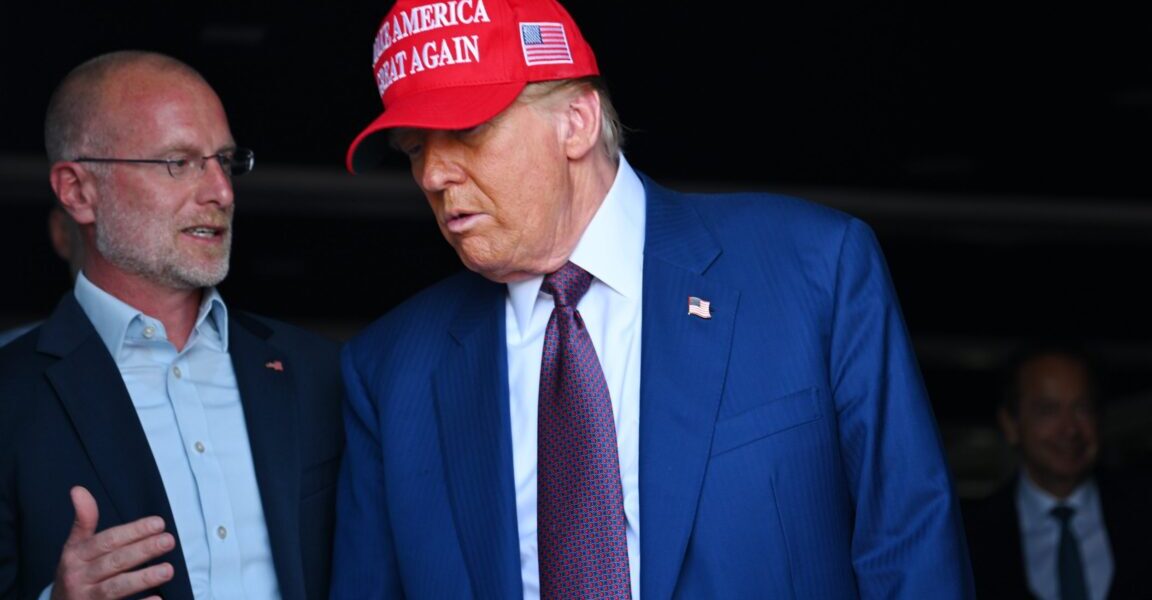
Broadcasters and media executives discuss the implications of the FCC's decision to eliminate the National Television Ownership Rule.

Key Takeaways

  • The Federal Communications Commission voted 2–1 to eliminate the National Television Ownership Rule.
  • This rule prohibited any single broadcast station owner from reaching more than 39 percent of all US TV households.
  • Under Chairman Brendan Carr, the FCC is replacing it with a 'case-by-case review' for proposed mergers.

The Federal Communications Commission (FCC) has voted to eliminate the National Television Ownership Rule, which prohibited any single broadcast station owner from reaching more than 39 percent of all US TV households. The decision was made in a 2–1 vote and comes under Chairman Brendan Carr's leadership.

In a press release issued today, Carr’s office stated that this change will 'empower the FCC to approve deals that promote the public interest while allowing the agency to reject any deals that do not meet that standard.'

Without the 39 percent rule, broadcasters will have greater flexibility in merging with other stations and competing against streaming companies, which are not subject to similar limits.

AdvertisementFollow Sun NewsWatch Live

The decision is seen as a significant shift in how the FCC regulates media ownership. Critics argue that removing such a cap could lead to fewer diverse voices on television, while proponents believe it will foster competition and innovation.

Under the new 'case-by-case review' system, the FCC will evaluate each proposed merger based on its potential impact on public interest. This approach is intended to balance the need for competitive broadcasting with the protection of viewers’ interests.

The rule was originally set by Congress over 20 years ago and has been a point of contention in media regulation debates. Its removal marks a new era in how the FCC will handle broadcast station ownership issues.