
Key Takeaways
- Ambassador of Pakistan to Iran met with Iranian authorities.
- Agreement focuses on education, trade, connectivity and border management.
- Meetings held in Zahidan to strengthen bilateral relations.
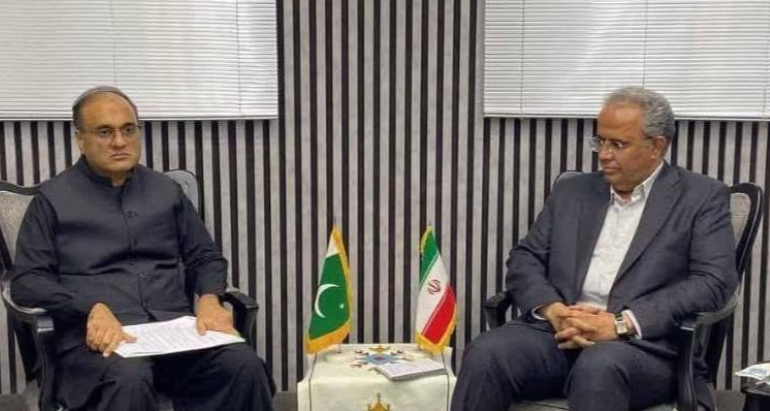
The Pakistani Ambassador to Iran, Imran Ahmed Siddiqui, has concluded a series of meetings with Iranian officials aimed at enhancing cooperation between the two countries. These discussions took place in Zahidan and covered several key areas including education, trade, connectivity, and border management.
During his visit, Ambassador Siddiqui emphasized the importance of fostering stronger ties through collaborative efforts in these diverse fields. The meetings were part of a broader initiative to deepen bilateral relations between Pakistan and Iran.
The discussions focused on potential educational exchanges, economic cooperation, and improving cross-border infrastructure. Both sides expressed optimism about the prospects for increased trade and cultural exchange as a result of these agreements.
Ambassador Siddiqui highlighted that the meetings were part of an ongoing effort to address shared challenges in border management, which is crucial for maintaining stability along their common frontier.
The agreement also includes plans for joint initiatives at educational institutions such as the University of Sistan and other academic bodies. This collaboration aims to enhance knowledge sharing and student mobility between the two nations.
Trade relations are expected to benefit from improved connectivity, with both countries looking to streamline customs procedures and facilitate easier movement of goods across their borders. This could lead to increased economic integration and mutual prosperity.
Border management discussions centered on enhancing security cooperation and addressing cross-border issues such as smuggling and illegal immigration. Both nations agreed to work together more closely in these areas to ensure regional stability.
The meetings concluded with a commitment from both sides to continue dialogue and implement the agreed measures over the coming months. The next steps will involve detailed planning and coordination to translate these agreements into tangible outcomes.


