Key Takeaways
- DNA samples from Inca mummies confirm smallpox was introduced to the Americas via European colonisation.
- The virus strain found in the mummies matches early medieval and modern European strains.
- This discovery challenges previous assumptions about the origins of smallpox in the region.
DNA analysis from ancient Inca mummies has provided new insights into the history of smallpox, revealing that the virus originated in Europe before spreading to the Americas. This finding comes as part of a study conducted by researchers at Trinity College Dublin.
Shigeki Nakagome and his team studied samples from 41 mummified bodies found at Camarones 9, an archaeological site in northern Chile. Among these remains, they identified two individuals who had been infected with smallpox, dating their deaths between 1492 and 1631.

The researchers reconstructed the genomes of the smallpox viruses present in the mummies and compared them to other ancient and modern strains. They found that both samples belonged to a lineage of smallpox that includes early medieval and early modern European strains, suggesting a direct link between the virus's introduction into the Americas and European colonisation.
This discovery challenges previous theories about the origins of smallpox in the region, which were based on historical accounts. The presence of smallpox lesions on mummies previously attributed to chronic arsenic exposure may now be reinterpreted as evidence of smallpox infection.
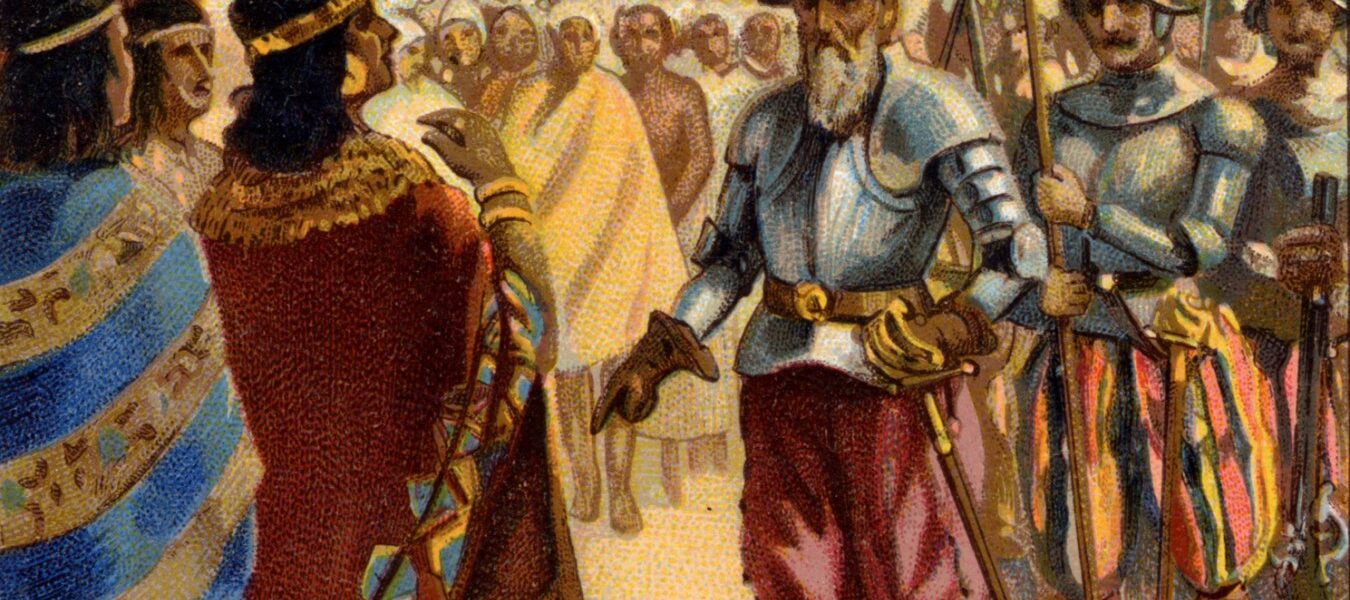
The study highlights the significant impact that diseases like smallpox had on Indigenous populations in the Americas. Historical records indicate that smallpox began devastating Inca communities in the early 16th century, following the arrival of European colonists. The disease was particularly brutal due to the lack of natural immunity among these populations.
Matthew Ward from the University of Dundee, who was not involved in this research, emphasises the importance of understanding how diseases like smallpox shaped history. 'These diseases killed perhaps 95 per cent of the Indigenous population of the Americas and allowed for European colonisation,' he stated.
The findings also raise questions about the broader impact of European colonisation on public health in the region. By introducing new pathogens, such as smallpox, to populations with no prior exposure or immunity, the consequences were devastating.
This research underscores the value of studying ancient DNA for understanding historical events and their long-term impacts on human societies.