Key Takeaways
- The Pakistan Stock Exchange (PSX) closed lower, with the KSE-100 Index dropping by 495 points.
- Geopolitical uncertainty, particularly tensions between the US and Iran, influenced market sentiment.
- BAFL reported a strong second quarter result, contributing positively to banking sector sentiment.
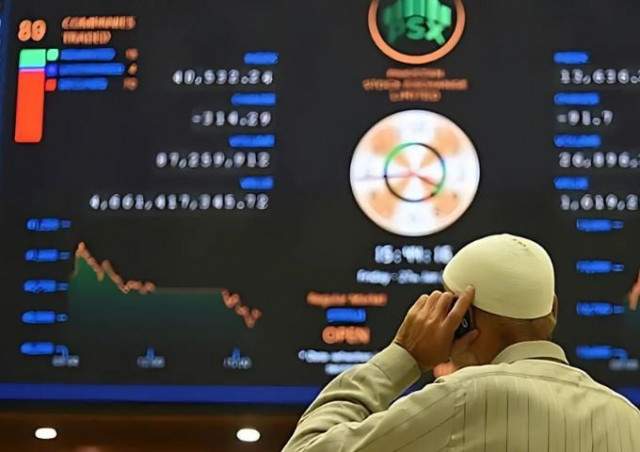
The Pakistan Stock Exchange (PSX) experienced a significant downturn on Thursday, with the KSE-100 Index closing at 175,547 points after shedding 495 points (-0.28%) compared to the previous day’s close.
Trading activity was relatively low, with benchmark volumes reaching only 222 million shares. Key volume contributors included PIBTL (32 million), CNERGY (28 million), and KEL (19 million) shares, according to Ahmed Sheraz of KASB KTrade.
Sector-wise, the oil & gas, cement, and investment banks sectors were among the major laggards. Conversely, fertiliser and commercial banks provided some support. Individual stocks such as ENGROH, LUCK, SYS, HUBC, and PPL had a negative impact on the index, while FFC, UBL, EFERT, and MEBL emerged as key positive contributors.
The market’s volatility was largely influenced by reports of US attacks on Iran. Brent crude prices initially rose to close to US$93 per barrel during the morning session but eased back to around US$90 per barrel later in the day. These geopolitical developments continued to cast a shadow over investor sentiment, with elevated oil prices likely to keep global and regional equity markets volatile.
Overnight, US markets closed lower, while Asian markets traded mixed to negative, mirroring the trend seen on the PSX. The overall market performance was consistent with these trends, reflecting the broader impact of geopolitical uncertainties.
On a positive note, BAFL reported a stronger-than-expected second quarter result, posting an earnings per share (EPS) of PKR 3.23 and announcing a cash dividend of PKR 1.5 per share. This performance was driven by robust non-funded income, which provided further support to the banking sector sentiment.
Looking ahead, investor focus will remain on geopolitical developments and the ongoing earnings season. While uncertainty surrounding the Middle East may continue to drive near-term volatility, better-than-expected corporate results could help stabilize market sentiment if the earnings momentum continues.