Key Takeaways
- President Trump accused China of interfering with the 2020 US election.
- The speech was seen as a smokescreen for potential meddling in upcoming congressional midterms.
- Opponents warned that the address was an attempt to undermine confidence in the electoral process.
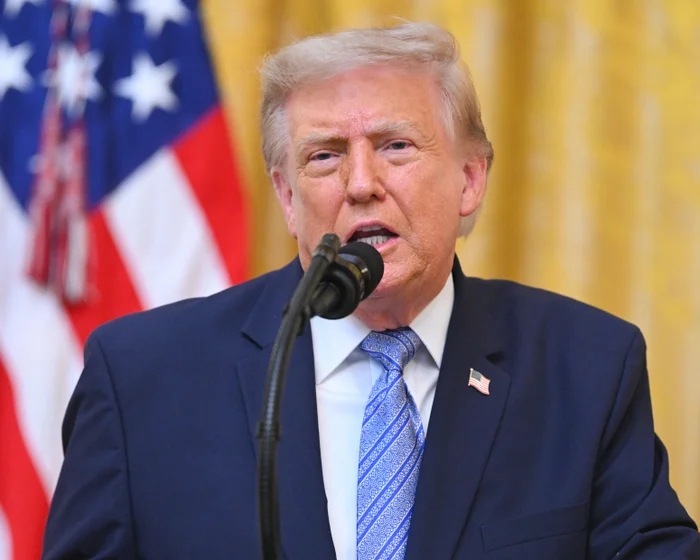
President Donald Trump delivered a televised address on Thursday, accusing China of interfering with the 2020 US election. The speech, which lasted for 25 minutes and had been hyped by Trump himself, cast doubts on the integrity of the US electoral process, suggesting it was 'catastrophically' short of standards of fairness and trust.
In his address, Trump stated that foreign powers were vulnerable to trespassing during the election, implying a lack of security in the voting system. His claims came as part of an ongoing effort by the president to challenge the legitimacy of the 2020 election results, which he has refused to accept despite multiple investigations and court rulings.
Opponents of Trump's actions warned that his speech was likely a smokescreen for him to meddle in the upcoming congressional midterms. They argued that such claims could be used to sow doubt among voters and potentially influence the outcome of the elections, which are scheduled for November this year.
The address also included a release of heavily redacted documents, which Trump claimed provided evidence of election interference. However, these documents were not made public, leaving their contents unknown to the general public.
Trump's speech was seen as part of his broader strategy to challenge the results of the 2020 election and maintain his influence in US politics. His continued efforts to discredit the outcome have been met with criticism from political opponents and calls for him to accept the results and move on.
The address came at a time when Trump's approval ratings are low, and he faces increasing pressure to step down from office. His actions have raised concerns about the stability of democratic institutions in the United States and the potential for further political unrest.
While Trump's claims were unverified, they have been widely criticized by experts and election officials who maintain that there was no evidence of widespread fraud or interference in the 2020 election.