The Pakistani television industry, a multi-billion-rupee sector driven by corporate advertising, often prioritizes conservative and predictable stories to ensure a return on investment. Corporate risk-aversion has led to the softening of complex themes in popular contemporary television serials, as networks and state regulatory bodies prefer the comforting lies of idealised traditionalism over provocative content.
A current prime-time drama has captured massive viewership and social media attention by tackling modern themes of mental health struggles and emotional gaslighting. However, the show presents a striking contradiction: while it addresses psychological damage, it packages these issues within traditional, stereotypical relationship frameworks.
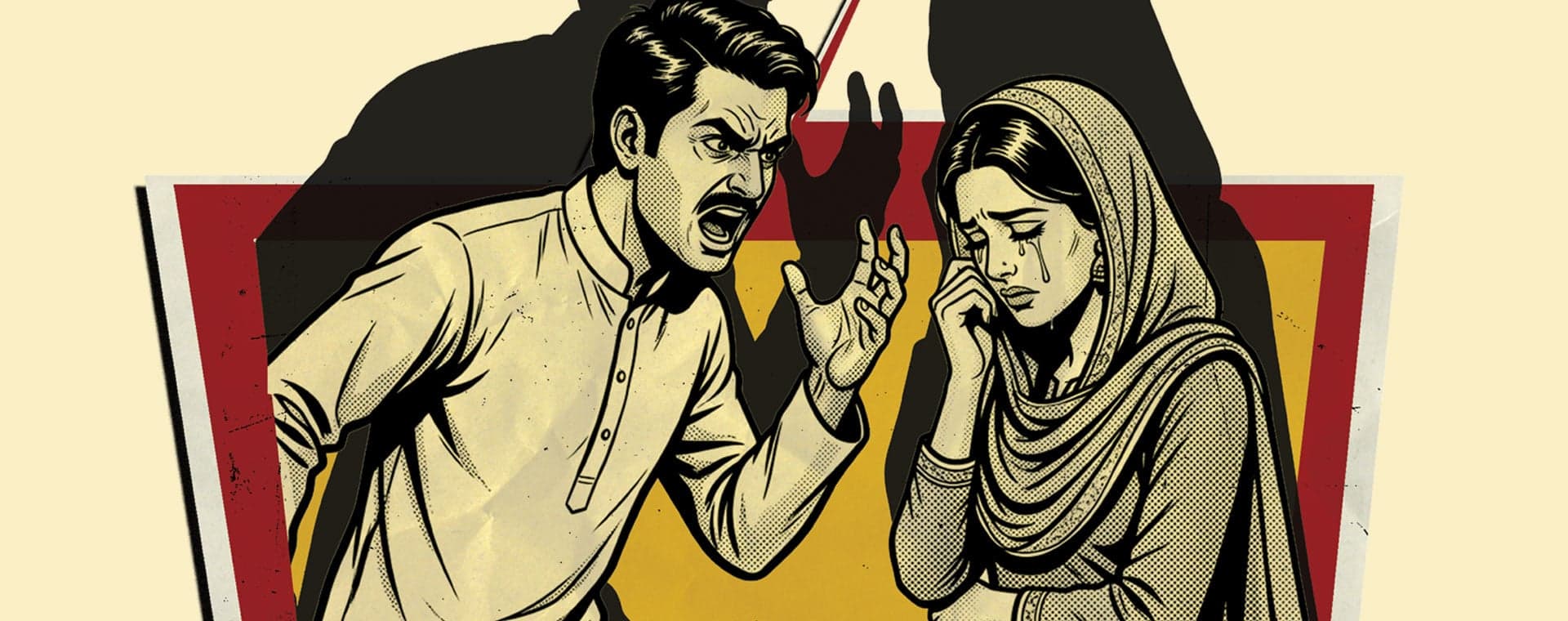
The story follows an ambitious young woman whose academic future is derailed by a toxic relationship with a childhood sweetheart. After he abandons her for a marriage based on her perceived piety, she suffers from clinical depression and panic attacks. While the show depicts her raw vulnerability, the narrative heavily implies that the young woman’s severe panic attacks can only be cured through the soothing presence and spiritually blessed water of a new male lead who enters the story as a classic, idealised "saviour" figure.
By framing her emotional recovery around the intervention and protection of a righteous man, the drama conforms to a deeply patriarchal stereotype: the idea that a broken woman cannot possibly heal on her own terms. It further highlights a dichotomy where the ex-boyfriend receives a fresh start from his community, while the female lead suffers social isolation and spiritual guilt for the same shared past.
The screenwriter's role is a balancing act between artistic ambition and commercial survival. Because television ratings (TRPs) dictate advertising revenue, writers often face pressure from executives to provide emotional catharsis, clear villains, and recognisable relationship dynamics rather than intellectual depth. The writer of the current hit drama reportedly attempted to weaponise the traditional system to bring discussions on gaslighting into conservative households, but ultimately compromised by filtering mental health through the acceptable lens of marital shelter.
Veteran actress Sania Saeed, who plays Khushbakht—the mother of the "ideal" male saviour in the drama—provided a blunt critique of these dynamics in an interview with BBC Urdu. Saeed stated, "Everyone wants to judge a woman by her morals," and noted that Pakistani society remains primarily interested in domestic relationships and traditional gender roles.
Saeed specifically questioned the script's reliance on a new romantic relationship as a magic cure for emotional distress. She argued that moving directly from one relationship trauma into another is psychologically unhealthy and that humans require time and self-reflection to heal. However, she acknowledged the pervasive, almost unbreakable cultural assumption in Pakistan that marriage is the universal, catch-all remedy for young pe