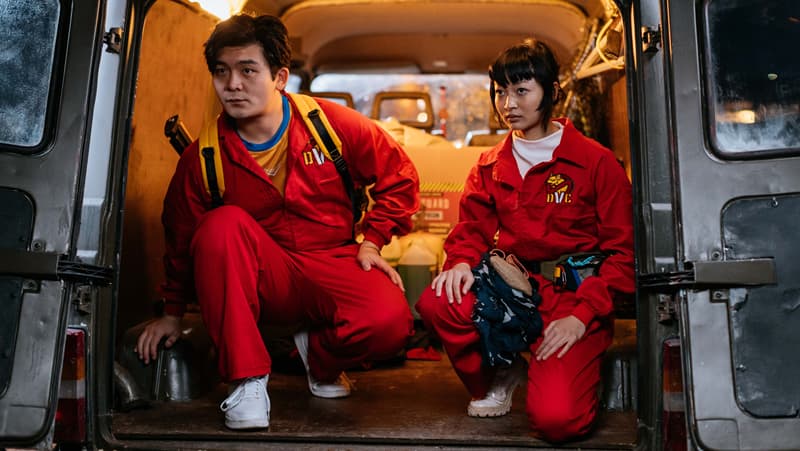
Director Fergal Costello and writer Paddy McDonald have spent over two decades developing the supernatural action comedy “Kung Fu Deadly.” The film follows Danny and Frank, played by Steven He and Michael Tient, who are two hapless exterminators in Dublin tasked with fighting a supernatural evil.
Costello stated that he and cinematographer Shing-Fung Cheung envisioned the visual style of the film as “primary color that’s covered in grime.” Costello explained that this visual language was intended to reflect Danny’s journey, noting that the character has depth and heroism inside him if he can overcome self-doubt. Costello added that he wanted the movie to feel colorful because he does not think movies are colorful enough at the moment, stating, “Life is there and bursting out through the frame — you just have to look for it.”
The project originated from a love of martial arts movies, including Jackie Chan blockbusters and Shaw Brothers classics. McDonald said the idea was first conceived with fellow Irish writer Paul Markey 20 years ago. While the idea bounced around for years, McDonald said he properly started developing it in 2011 while living in Australia. After moving back to Ireland a couple of years ago, McDonald performed a page one rewrite to give the script its original Irish voice.
To manage the film's blend of multiple genres, Costello said it was critical to ground the story in the relationship between Danny and Frank. He stated that if the audience experiences the clash of tones through the eyes of the two boys as they become more than just “lovable losers,” then the monsters, magic, comedy, and horror elements will work.
The production also served as a milestone for environmental sustainability. It was Ireland’s first production powered by green hydrogen fuel cells instead of diesel. McDonald said the hydrogen was silent, clean, and controllable, comparing the experience to the difference between a diesel car and an electric car. He noted that while the team was initially anxious, he ended up loving the technology because it was dependable and provided data on the actual amount of energy required.