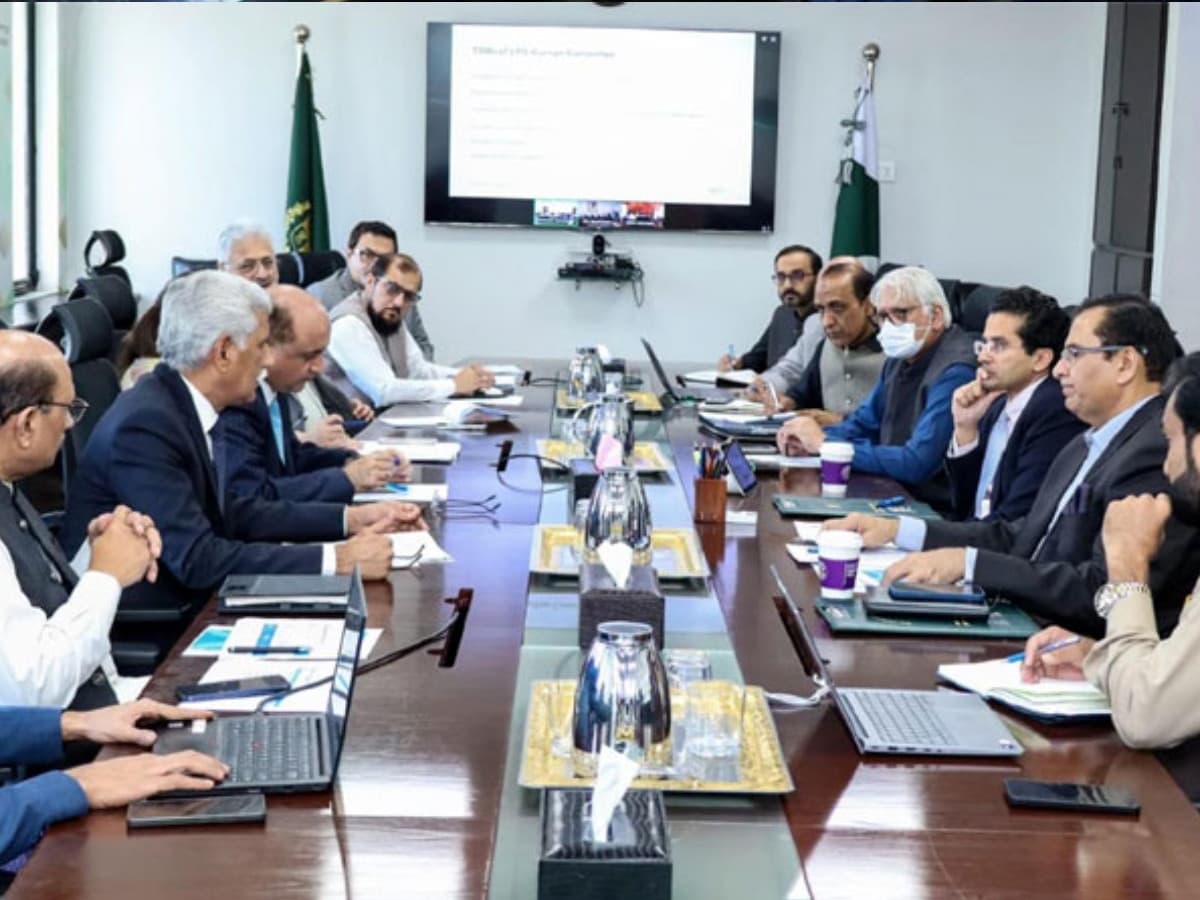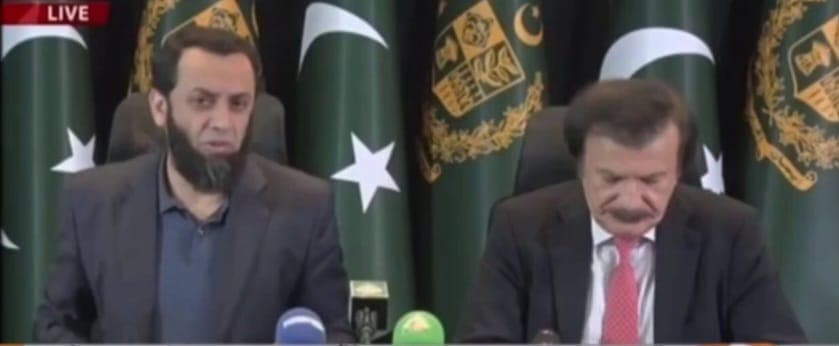
Federal Minister for Information and Broadcasting Attaullah Tarar announced a new auto policy on Saturday during a press conference in Islamabad. Accompanied by the Prime Minister’s Adviser on Industry Haroon Akhtar, Tarar stated the policy is designed to promote local vehicle manufacturing and exports while ensuring affordable, quality, and environment-friendly vehicles for the common man.
Tarar explained that the policy was developed after consulting all stakeholders, analyzing technical data, and comparing models from different countries. He noted that while Pakistan maintained high import duties for decades to protect the local industry, the industry failed to introduce the innovations and features available to consumers elsewhere. He stated that the purpose of such protection was intended to improve the quality and facilities of vehicles for the common man.
The minister highlighted that Prime Minister Shehbaz Sharif has directed the creation of facilities for the middle class in the auto sector. Tarar observed that the use of electric motorcycles and scooters is growing fast, particularly among girls and women traveling to schools, colleges, and offices, which he described as a need of the hour. He stated that promoting electric vehicles (EVs) will benefit the environment and reduce the country’s oil import bill, which he said ultimately burdens the poor. Tarar suggested that savings from a lower oil import bill could be spent on infrastructure, health, education, and public facilities.
The new policy is described as comprehensive, offering special incentives for EVs and promoting local manufacturing. Tarar emphasized that the local industry will only be fully beneficial if vehicles are exported after manufacturing to create jobs. He clarified that the policy does not affect petrol-driven vehicles up to 800cc used by the common man, which will remain under existing facilities. To promote clean energy, the government has exempted those setting up charging stations from customs duty and reduced their sales tax.
Haroon Akhtar stated that the policy rests on six pillars: affordable vehicles for the middle and lower-middle classes, boosting exports, promoting EVs, increasing localization, improving vehicle safety, and ensuring transparency. He noted that import duties have been reduced to lower manufacturing costs, making locally produced vehicles more accessible to low-income consumers. Akhtar further highlighted that reducing the prices of vehicles below 1300cc was a special priority of the premier.
Tarar described the launch of the new auto policy as a revolutionary step, comparing it to the nation's solar energy revolution. He stated it will provide affordable transport, reduce the import bill, boost the economy, and help ease inflation. He added that the new policy will increase competition by breaking the monopoly-like market the local industry enjoyed for decades.
Regarding non-custom-paid vehicles in Khyber Pakhtunkhwa, Tarar said the province has a transparent setup working on the issue. He stated a formal policy is being framed to ensure all vehicles are registered through the Customs and Excise departments, noting that such vehicles have been used in past terrorist incidents.