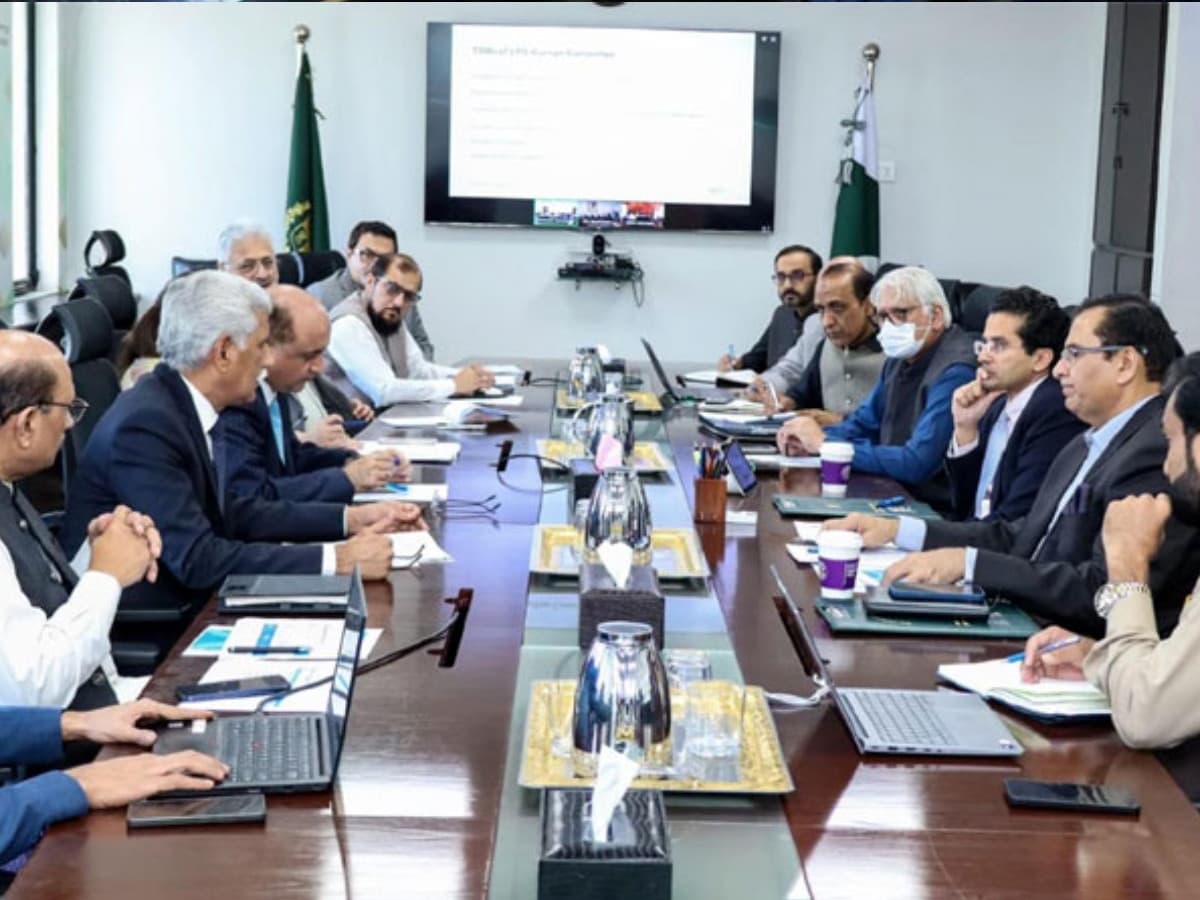
As Pakistan prepares to host the Pakistan Minerals Investment Forum in Islamabad next week, industry experts and mining companies are being urged to look beyond the immediate goal of attracting international investment. The real challenge is to develop a mineral sector that creates lasting economic value for Pakistan, builds domestic technological capabilities and generates industrial growth and employment.
Pakistan is richly endowed with mineral resources, yet much of this potential has remained unexploited for decades. The question is not simply why there has been a failure to attract investment, but why successive governments have been unable to translate known mineral potential into commercially viable projects and a thriving mining industry.
Minerals have historically been a provincial subject in Pakistan, well before the 18th Constitutional Amendment. Provinces therefore had both the responsibility and the opportunity to develop their mineral resources and build the institutional capacity required to manage them. Unfortunately, this responsibility was not adequately fulfilled. The federal government, meanwhile, also failed to make full use of some of the country’s valuable technical and professional institutions.
The Geological Survey of Pakistan (GSP), Pakistan Mineral Development Corporation (PMDC) and National Institute of Oceanography (NIO) represent accumulated national expertise that could have played a much greater role in developing mineral resources. The Resource Development Corporation (RDC), which no longer exists in its original form, was another important example. It initiated the exploration and development work at Saindak, one of Pakistan’s earliest major mining projects. These institutions and their successors should have been strengthened and developed into effective instruments of national mineral development.
The experience of Saindak, the prolonged development of Thar coal and the history of Reko Diq all deserve a serious institutional review. Delayed decisions, inadequate preparation, changing approaches and weak coordination have cost Pakistan valuable time and opportunities. While progress is now being made, it is necessary to understand what went wrong rather than simply moving forward without learning from experience.