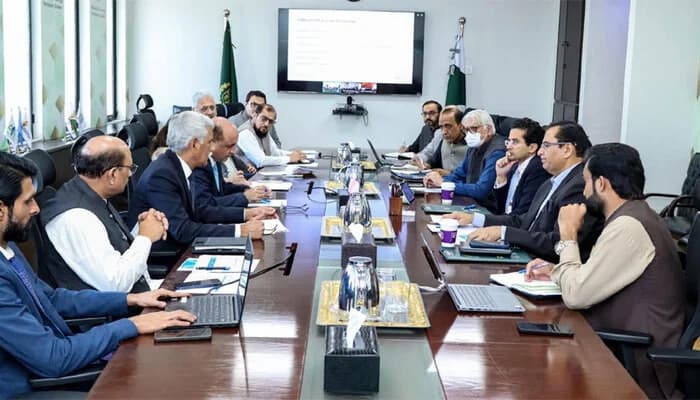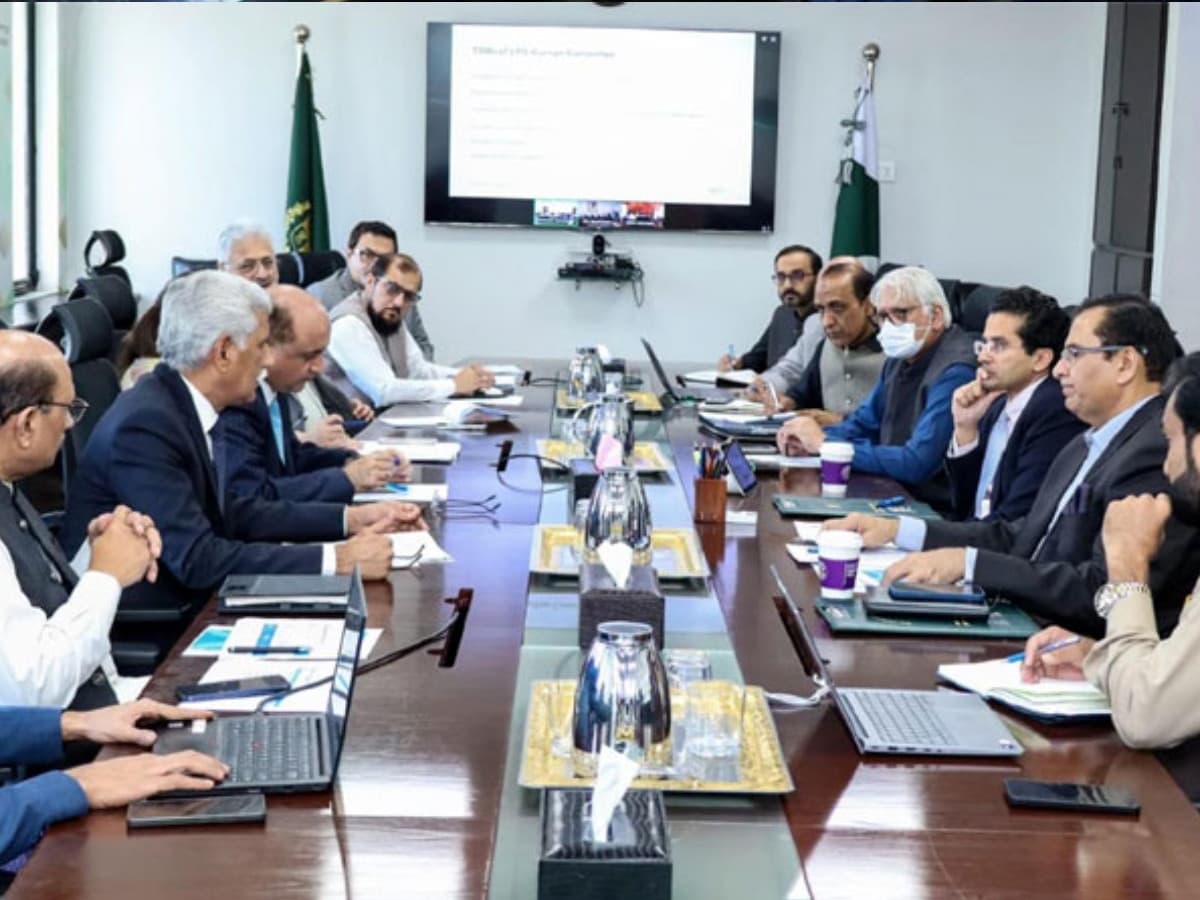
The LPG Committee held its first meeting on November 7, 2026, to operationalise a transparent auction mechanism and ensure fair market access under an approved deregulated framework. Federal Minister for Petroleum Ali Pervaiz Malik stated that the initiative is a government priority intended to improve availability, ensure fair market opportunities, and protect consumers from unfair pricing.
The move follows a period of significant supply disruption caused by the closure of two Iranian border crossings on October 17, which halted imports of approximately 7,000 metric tons of LPG daily. These disruptions caused market prices to soar to between Rs550 and Rs600 per kilogramme in several areas, reaching Rs750 in parts of Khyber-Pakhtunkhwa, despite the Oil and Gas Regulatory Authority (OGRA) fixing the official price at Rs279.34 per kilogramme for October.
Under the framework approved by the federal cabinet on November 4, 2026, indigenous LPG producers will allocate 10 per cent of their production to state-owned marketing companies to supply hard and remote areas. The remaining 90 per cent will be offered through transparent auctions held in the presence of the media. To ensure a level playing field, each participating company will be limited to a maximum allocation of 20 metric tons per day.
The meeting was chaired by the Secretary, Petroleum. The committee includes the chairman of OGRA, managing directors of the Oil and Gas Development Company Limited (OGDCL) and Pakistan State Oil (PSO), the president of United Energy Pakistan Limited (UEP), and the director general (Liquefied Gases).
The committee is mandated to oversee auctions of indigenous LPG, review market supply arrangements, and periodically assess pricing and bidding mechanisms. Daily production figures will be closely monitored and presented to the Prime Minister for oversight.
The government announced sweeping reforms in the LPG sector, including the abolition of the quota-based distribution mechanism and the introduction of competitive auctions for locally produced LPG. These reforms were subsequently endorsed by Prime Minister Shehbaz Sharif, who said the new competitive allocation mechanism would end the decades-old monopoly in the LPG sector. The government also directed state-owned companies to arrange bulk imports and encouraged private-sector participation to curb profiteering.