Key Takeaways
- Pakistan secured safe passage for a Qatari LNG shipment through the Strait of Hormuz.
- The cargo is bound for Karachi and will support Pakistan’s gas supply needs.
- This arrangement could cover additional future Qatari LNG shipments.
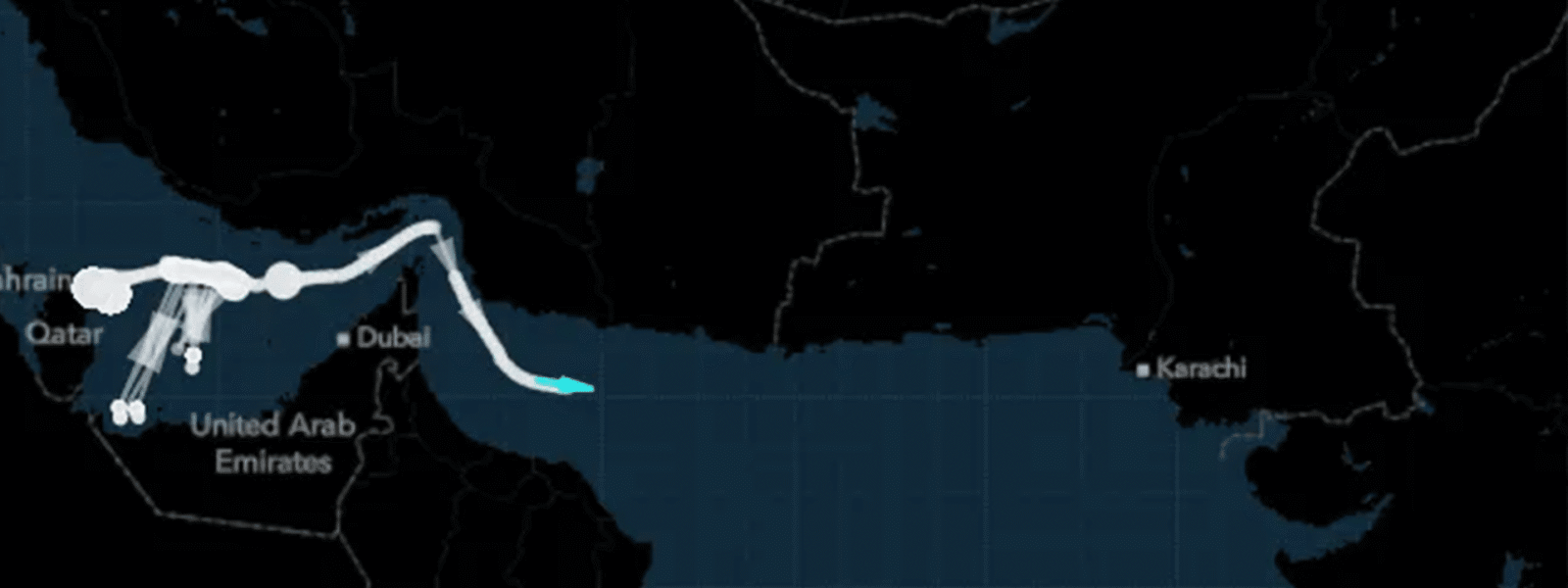
Pakistan has successfully negotiated with Iran to secure safe passage for at least one Qatari liquefied natural gas (LNG) shipment through the Strait of Hormuz, according to Bloomberg. The vessel crossed the strategic waterway on Thursday and is expected to arrive in Karachi shortly, ensuring a steady supply of energy resources.
The development comes amid heightened tensions around the Strait of Hormuz, which handles a significant portion of international oil and LNG trade. Any disruption in this route could have severely impacted Pakistan’s energy supplies and increased its fuel import bill. This successful negotiation highlights the importance of maintaining stable maritime routes for energy transportation.
Pakistan relies heavily on imported LNG from Qatar to meet its power generation, industrial, and domestic gas requirements. The safe passage granted by Iran ensures that these critical resources continue to flow uninterrupted, providing much-needed relief to the country’s energy sector.
The arrangement could also cover additional Qatari LNG shipments in the future, potentially stabilizing Pakistan’s energy supply chain. This development is seen as a positive step towards ensuring long-term energy security for Pakistan and reducing reliance on potentially volatile maritime routes.
While this specific shipment has been secured, ongoing negotiations and agreements with key partners such as Iran are crucial to ensure continued stability in Pakistan’s energy sector. The successful passage of the LNG cargo through the Strait of Hormuz is a testament to the diplomatic efforts made by both countries to maintain smooth trade relations.
The safe passage of this Qatari LNG shipment underscores the importance of international cooperation and stable maritime routes for energy transportation. It also highlights the potential for further collaboration between Pakistan, Iran, and other key players in the region to ensure uninterrupted supply chains.