The UN Children’s Fund (UNICEF) warned on Tuesday that Sudan is facing an assault unlike anything the country has seen before, characterized by long-range drone strikes and a worsening drought. Agency spokesperson James Elder stated that drones are traveling up to 1,500 kilometres to hit targets, including power stations.
Elder reported that during the last week of October, not a single day passed without a drone strike on a power station in Sudan. He noted that up to 15 such stations were hit during the month of October. Elder stated that two in three child casualties this year were killed by armed drones, which are bringing war to places that were once safe. He highlighted that drones are affecting three primary concerns for Sudanese people: safety, education, and water.
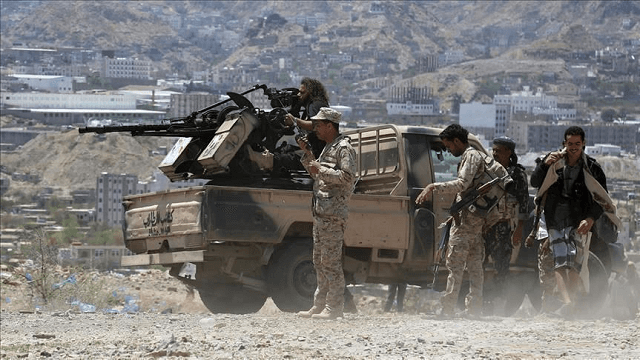
The agency's alert follows the ongoing conflict between the Sudanese Armed Forces (SAF) and the paramilitary Rapid Support Forces (RSF). While over 15 million people urgently require shelter, drone strikes on markets, civilians, and public infrastructure are hindering aid and increasing suffering for non-combatants.
Elder explained that while suicide drones were used several years ago, the last 12 months have seen the use of increasingly accurate long-range drones. He stated it was impossible for humanitarian agencies to ascertain who was behind at least 15 strikes on Sudanese power stations in October, adding that one would struggle to think if it was in the interest of the SAF or the Government to do so.
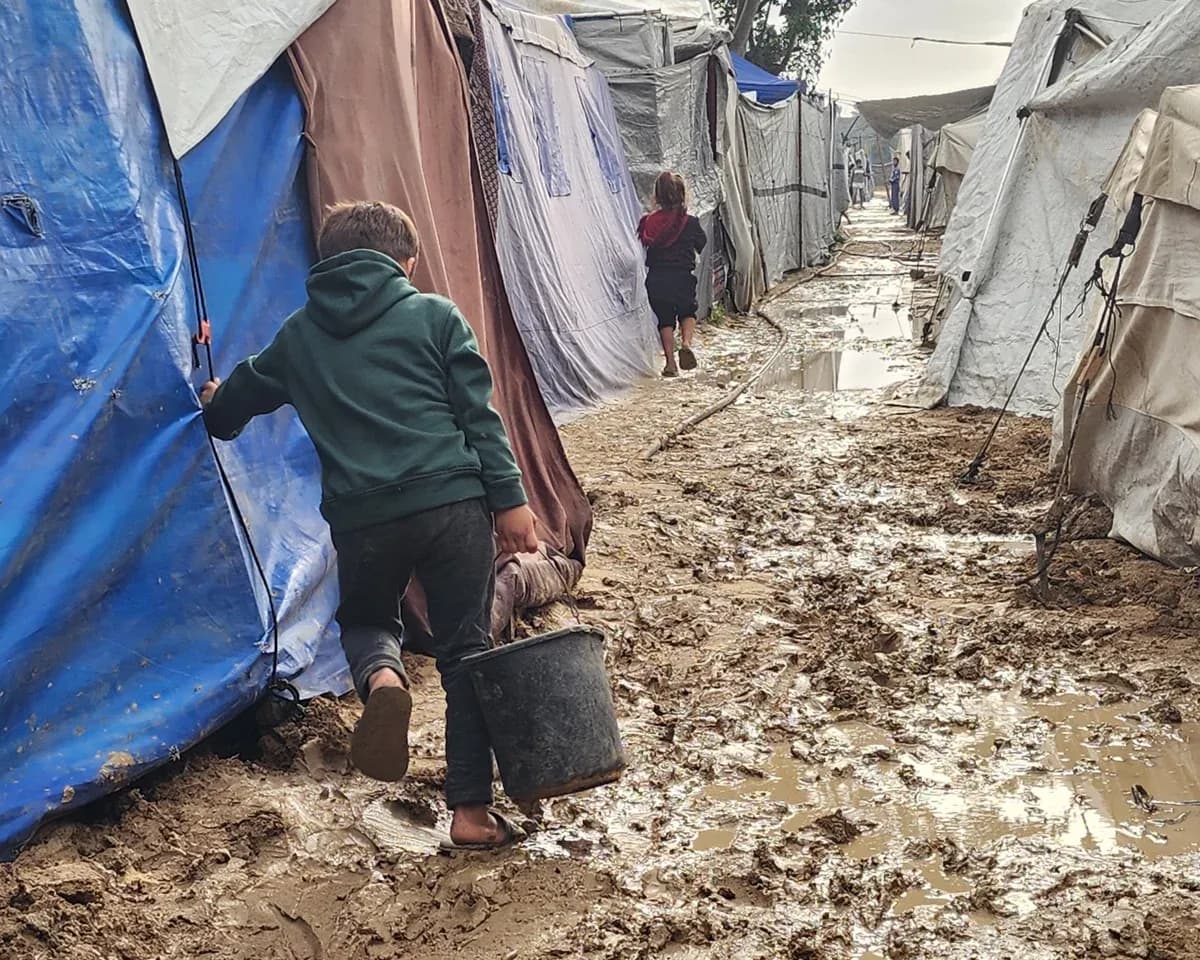
The spokesperson shared the story of Buri, a teenager from El Obeid who lost both hands to an explosive and lives in a tent. Elder described Buri's situation as relentless and crushing, noting the boy spends mornings learning online and afternoons picking grass for animals with stumps for hands. UN Human Rights Council investigators say civilians in El Obeid live in constant fear of drone attacks.
Elder stressed that while Sudan’s energy sector is being struck repeatedly like Ukraine’s, Sudanese targets are not being repaired. He explained that when a power station is struck, water pumps and treatment stop, forcing families into expensive and unsafe alternatives. The agency warned that disease is spreading, with pockets of cholera identified and the cold chain for vaccines and medicines threatened.
Furthermore, farmers are losing the ability to irrigate crops because electricity generators are too expensive to run due to "crippling" fuel shortages. Elder stated that harvests are suffering, prices are rising, and food is becoming unreachable, creating a lethal cycle. This occurs while an estimated 825,000 children under five in Sudan are expected to suffer from severe acute malnutrition this year.
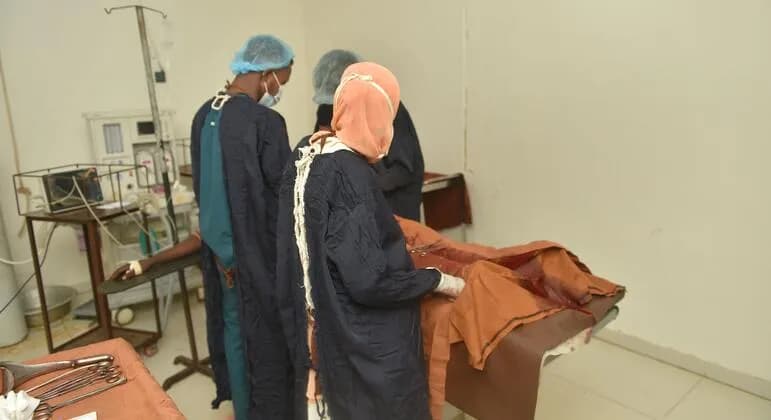
UNICEF and its partners have treated hundreds of thousands of children for severe acute malnutrition, provided healthcare to more than 2.5 million people, and vaccinated millions of children. They have also repaired water systems to solar power for close to eight million people. However, Elder noted that UNICEF’s response in Sudan is only one-third funded, stating that "resilience cannot run on goodwill alone" as everything is at a breaking point.