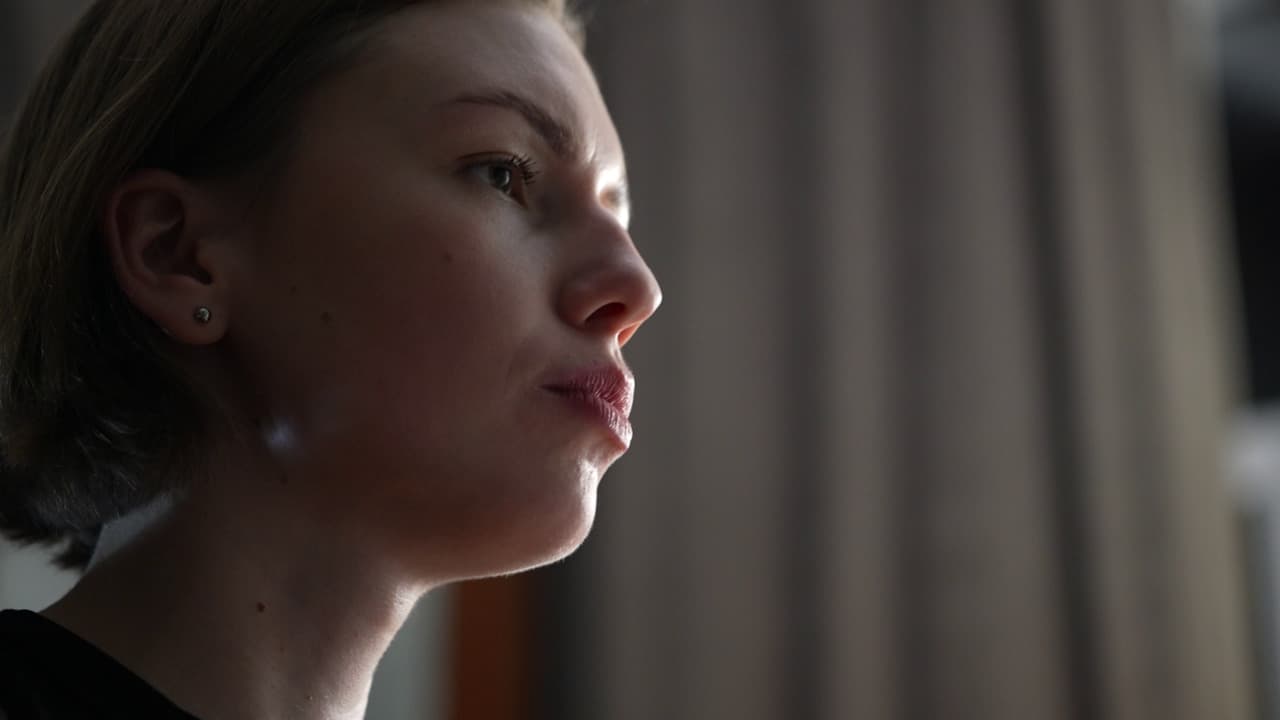
Daryna, a 25-year-old cybersecurity journalist living in Kyiv, entered adulthood in a country at war. She says she is clinging, as best she can, to what has become a dystopian version of normal life as she navigates the daily realities of Russia’s full-scale invasion. Her days are shaped by air raid alerts, power outages, and nights spent in shelters.
Daryna lives in a 19th-century building in the Podil district. She explains that she chose the apartment for its beauty and historic character, stating, "I wanted to make it as beautiful as possible because it’s important to surround yourself with beauty and things that bring you comfort during wartime." Despite the risk of losing her belongings in an explosion, she maintains a collection of books, records, and an electric piano.
The reality of the conflict is punctuated by frequent alerts. Daryna noted that a yellow alert on her phone indicated drones were targeting the city center, while red alerts signify a risk of missile attacks. She explained that authorities recently changed the system to distinguish between the two to help residents understand the level of anxiety they need to prepare for.
The physical dangers of these alerts have forced Daryna to find makeshift safety within her home. She previously attempted to sleep in her walk-in closet and bathtub, but after a ceiling collapse during an explosion, she now sleeps in her hallway, which she considers the safest place in the apartment.
Daryna recounted a specific night of terror on October 21, when Russia launched three waves of 21 missiles at Kyiv. During such events, many residents head to underground parking garages or subway stations. Daryna admits she keeps an emergency bag packed with documents, cash, and a sleeping bag. She noted that while she rarely reads in the metro, carrying a book makes her feel better.
While fear and exhaustion can sometimes be read on people’s faces, many Ukrainians no longer even react to the piercing sound of air raid alerts. This coping mechanism helps mask a threat that remains very real. Daryna says that sleeping in a shelter, or not sleeping at all in an apartment because of strikes, affects people both physically and mentally. She adds that it is not as if people have a choice, stating, "The attacks happen every day, and we simply have to keep living. It has become part of our routine, part of our reality."
The struggle for survival is further complicated by the use of cold as a weapon. Daryna described the winter of 2025-2026 as the harshest since the invasion began, noting that massive strikes on energy infrastructure left her apartment at 9°C. She stated she "genuinely thought I was going to freeze to death" and had promised herself it would be the last winter she spent in the capital.