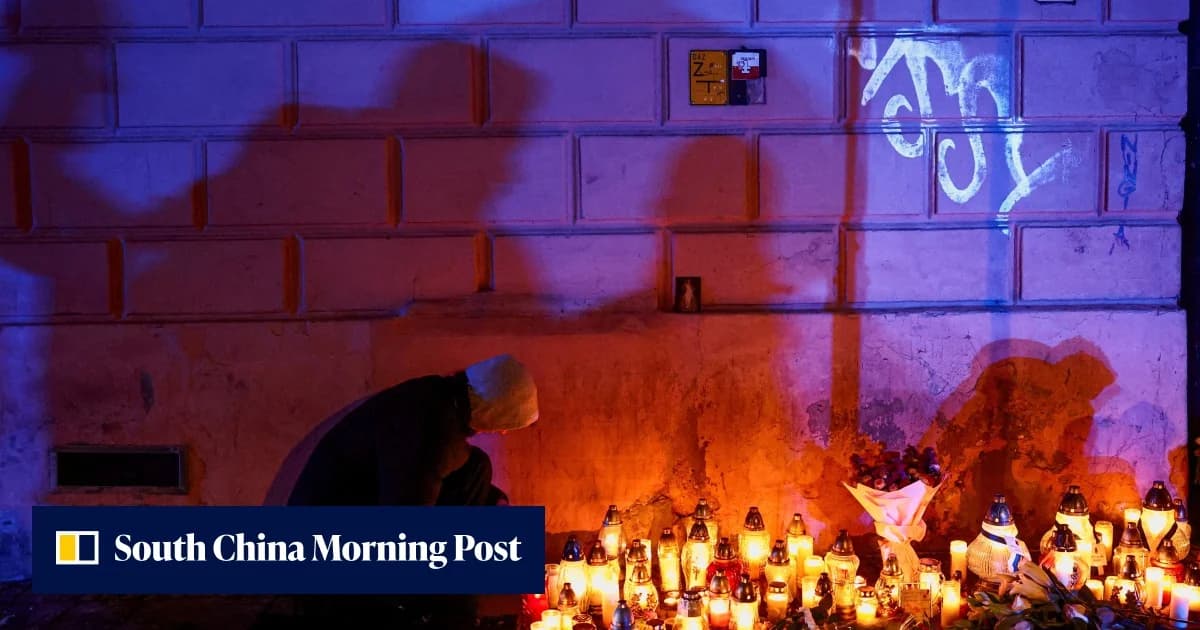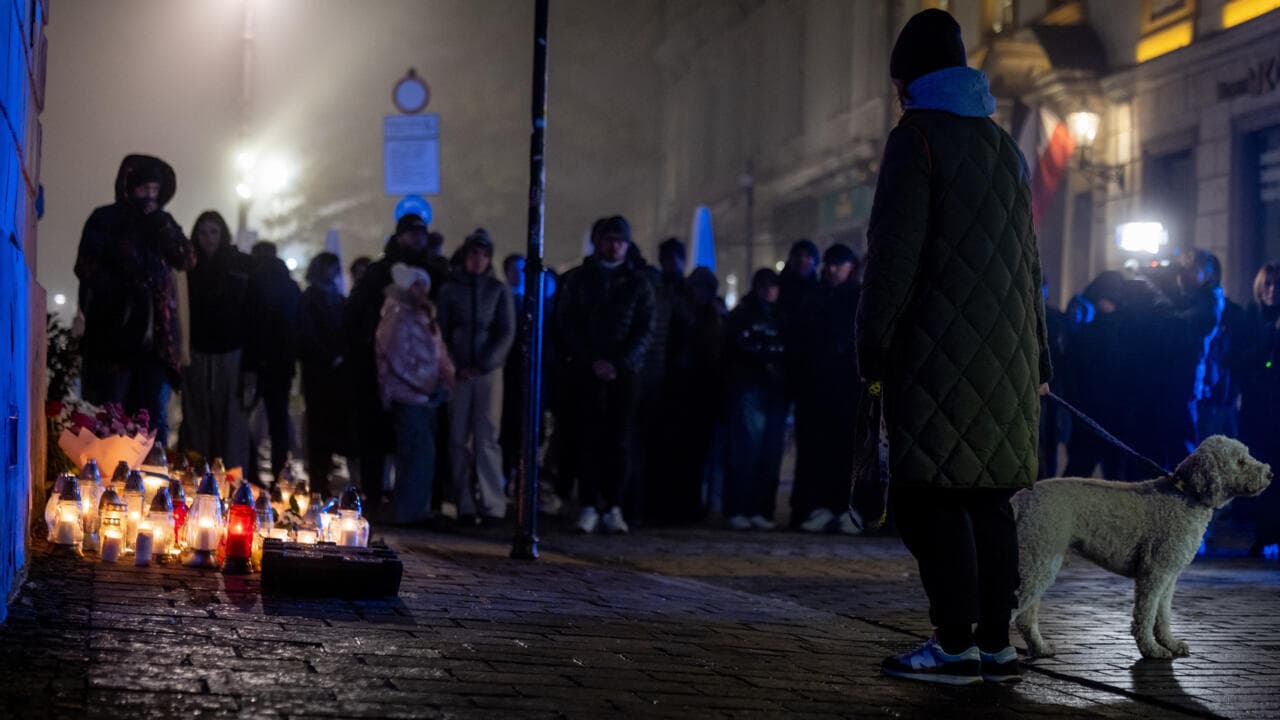
Poland is bracing for a week of intense political tension following a deadly shooting in Krakow on Saturday. The attack, described as the country's worst fatal shooting since the end of communism in 1989, left six people dead, including two foreigners, and about 15 others were wounded. The gunman opened fire at random in the historic market square of the nation's second city.
Authorities suspect the gunman killed a total of nine people after the bodies of three people – his parents and sister – were found at his home, located two hours' drive from Krakow. Police confirmed on Monday that the suspect died in a hospital. On Sunday, prosecutors launched an investigation into an "act of terrorism." The interior minister stated the suspect was fascinated by "far-right ideologies," a claim that has angered the conservative and nationalist opposition.
The violence occurs as the nation prepares for a critical week of political conflict. On Tuesday, the Constitutional Tribunal will hold a high-stakes meeting regarding judicial appointments. The right-wing opposition accuses the liberal, pro-European government of Donald Tusk of undermining the constitutional order. The governing coalition maintains it is attempting to correct "political" nominations and reforms made by nationalists that they claim run counter to European democratic standards.
Tensions over the court have escalated since late last month, when riot police moved in to block access after nationalist protesters camped outside to "defend it." A judge appointed by the parliamentary majority recently took over in the interim, effectively suspending an incumbent close to the right and to nationalist head of state Karol Nawrocki.
Following the Krakow shooting, the nationalist Law and Justice party (PiS) cancelled planned protests for Monday and Tuesday, though they may resume later in the week. However, the Independence March on Wednesday is causing significant concern. The annual event attracts hundreds of thousands of right-wing supporters, ranging from Catholic conservatives to white-supremacist fringe groups and antisemitic, pro-Russian far-right elements. Some observers have labeled the march "high-risk," fearing the crowd might deviate from its route toward the Constitutional Tribunal.
Prime Minister Tusk dismissed rumors on Sunday that the march would be stopped, writing on X that "No one intends to ban the Independence March" and that such speculation is "nothing but disinformation." He urged participants to "refrain from aggression" and warned against counter-demonstrations.
Analysts warn of a deepening divide. Writer Boguslaw Chrabota described the situation in the weekly Rzeczpospolita on Sunday as an "extremely destructive polarisation" that divides society on an emotional level. He argued that the radicalisation of political discourse "gives rise to Polish Breiviks," comparing the Krakow shooting to the 2011 Norway attacks.
Political scientist Ewa Marciniak of Warsaw University suggested the tragedy could be exploited for political gain, stating that such events "only serve to sharpen political divisions" in a climate of "mutual hostility." She noted that with parliamentary elections set for autumn 2027, the Krakow tragedy and the Constitutional Tribunal crisis are likely to be used "to deepen conflicts" and "draw the public into them."