President Donald Trump asked voters to pretend he was on the ballot during the midterm elections while handpicking Republican candidates for several consequential Senate races. By Tuesday night, voters had rejected those choices, handing control of the chamber to Democrats and exposing the limits of Trump's political power.
Trump has spent over a decade reshaping the Republican Party around his MAGA movement, which included dictating primary matchups and pushing aside conservative figures he felt were not sufficiently loyal or aligned with his vision. He repeatedly favored ideological allies and loyalists over established Republicans with proven track records and statewide networks, betting his endorsement could overcome their political liabilities. Tuesday's results showed he was unable to persuade the broader electorate to back his selections.
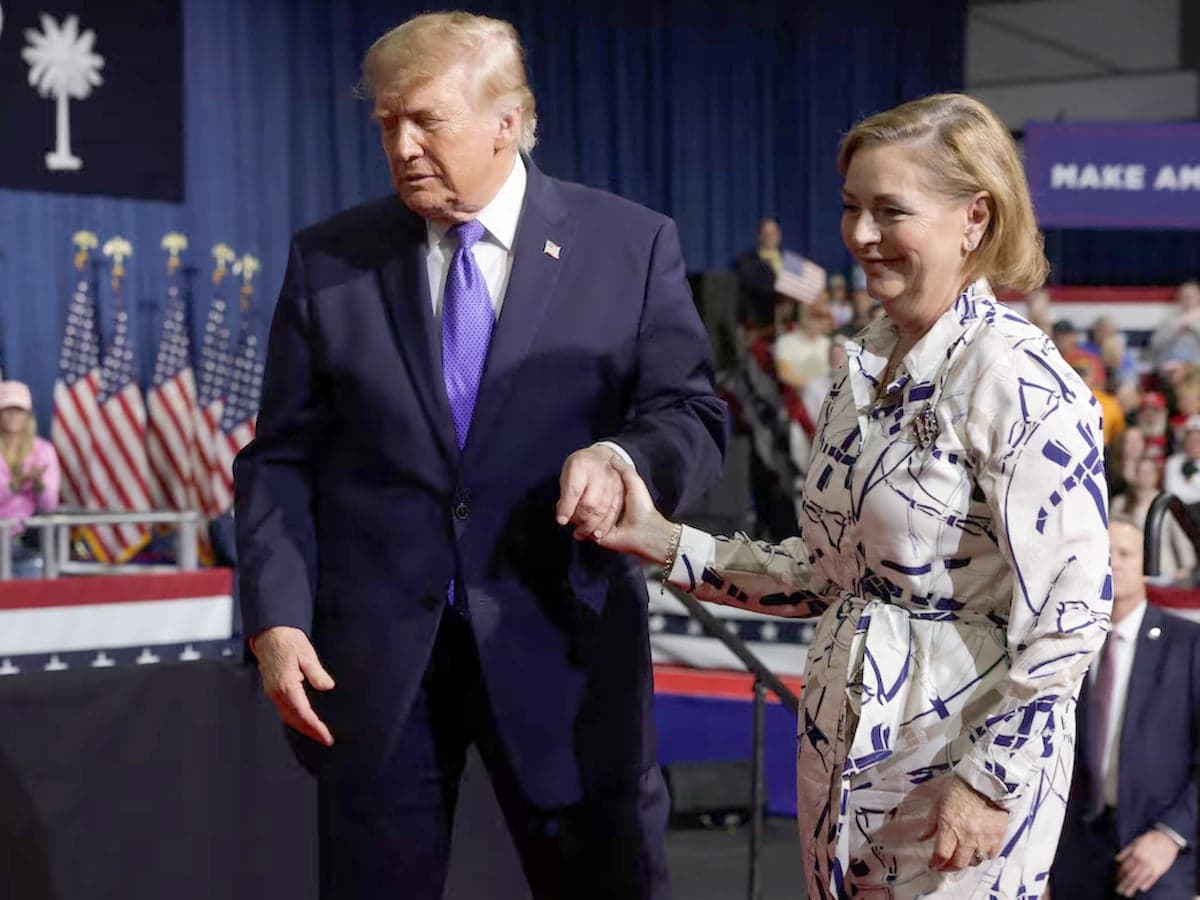
In South Carolina, a state Trump won by 18 percentage points in 2024 and which had not elected a Democratic senator since 1998, Trump backed Darline Graham. However, Democrat Annie Andrews won the seat in a stunning upset. In North Carolina, Trump endorsed former national Republican campaign official Michael Whatley, who lost in a rout to former Democratic Governor Roy Cooper.
In Texas, Trump intervened in a messy Republican primary to promote scandal-plagued Attorney General Ken Paxton over Senator John Cornyn, whom some in the party viewed as a safer general election pick. Democrat James Talarico won the seat on Tuesday night, a position the party had not held since 1988. In Michigan, Trump’s choice, former US Representative Mike Rogers, trailed Democrat Abdul El-Sayed, who would be the first Muslim to serve in the Senate.
The losses occurred as Trump's popularity was lower heading into Tuesday’s vote than it was following the January 6, 2021, attack on the US Capitol, according to Reuters/Ipsos polls. This fueled concerns among Republicans that the president had become a drag on the party. Veteran Republican strategist Doug Heye called it a “Trump Quake,” citing voter frustration over high prices caused by tariffs and the war in Iran. Heye stated, “Trump spent the year telling voters what was important to him, not to them.”
Trump maintained a defiant tone on Tuesday night, writing on social media, “I wasn’t on the ballot, and if I was, we would have won in a landslide!” One anonymous White House official claimed Trump “did a better job promoting many of the candidates on the ballot than the candidates did themselves.” A senior White House official told Reuters that the administration had polling data from as far back as six weeks ago predicting Republican losses in the House and Senate, prompting Trump to embark on a month-long nationwide campaign to salvage the party's prospects.
Independent analysts noted Trump's specific fingerprints on the losses. Thomas Kahn, a professor at American University, argued that Trump's intervention in the Texas primary cost a safe seat, stating a nomination for John Cornyn “would have been a slam dunk for Republicans to win.” Kahn also identified North Carolina as a clear case, noting that Republican incumbent Thom Tillis declined to run after a public split with Trump over Medicaid cuts. Kahn stated, “He essentially gave that seat away to Democrats,” adding, “Roy Cooper would not have run if Thom Tillis had run for re-election.”
Former North Carolina Governor Pat McCrory, a Republican, said Trump’s primary interventions divided the party in multiple states. McCrory noted that in South Carolina, Trump went against two local congressmen, a fight that “really divided the party.” McCrory criticized Trump's connection with his base, saying, “I think President Trump's greatest strength was that he had a common touch with the working-class people. He lost that skill. He better regain that skill for the good of the country.”