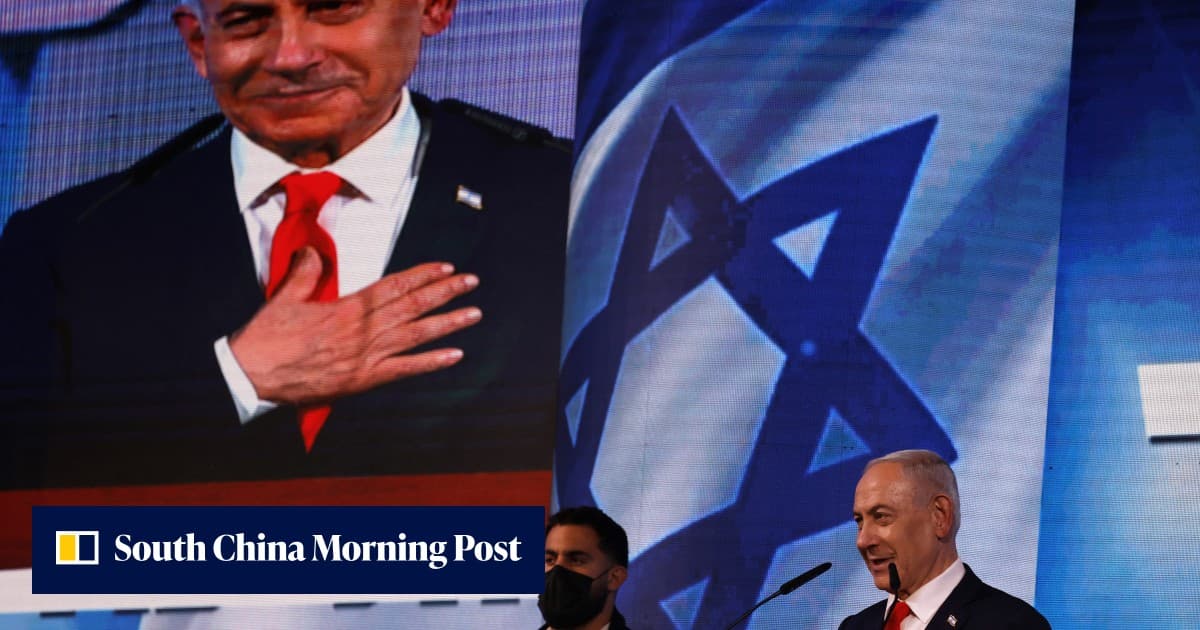
Israeli electoral authorities on Wednesday rejected allegations promoted by Prime Minister Benjamin Netanyahu of fraud by Arab parties, who could hold the key to removing him from power after a divisive vote. The Central Elections Committee stated it conducted an audit of 9,069 polling stations following complaints and is confident that the announced results “accurately reflect the will of the voters.” In a statement, the committee noted that all complaints from political factions were reviewed and there were no findings indicating harm to the integrity of the election.
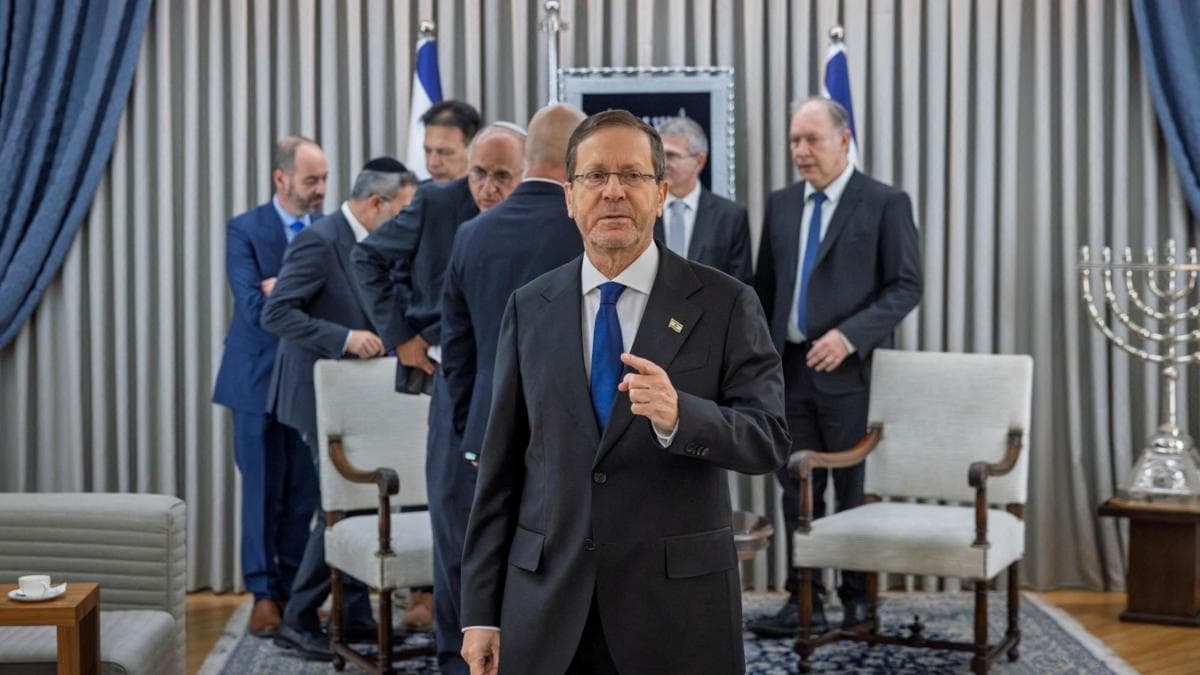
Following the October 27 vote, neither bloc held a majority in the 120-seat parliament. President Isaac Herzog, who will officially receive the results at noon (1000 GMT) on Wednesday, urged political leaders to compromise to avoid new elections. Herzog, who holds a largely ceremonial role but carries the decisive vote on who receives the first chance to form a government, called for "originality and creativity, courage and goodwill" so that the State of Israel emerges the winner. He stated that "not every commitment and promise can be fulfilled" and condemned "racist" rhetoric against the Arab minority, which makes up around 20 percent of the population.
Netanyahu has repeatedly alleged fraud by Arab-majority parties, citing the arrest of several people with envelopes of cash on election day and claiming lawmakers received money from Qatar—allegations that have been leveled at his own aides in the past. Late on Tuesday, Attorney General Gali Baharav-Miara stated she would not question anyone without evidence after reports that the head of the Shin Bet, a Netanyahu ally, had asked to interrogate Arab parties. Netanyahu’s Likud party accused her of trying to “obstruct the investigation and to cover up this serious case of manipulation of the electoral process by foreign actors.”
Gadi Eisenkot, a former military chief seeking to unite centrists and the centre-right, accused Likud of attempting a “pogrom against democracy.” Eisenkot had previously warned Netanyahu against launching a new war with US President Donald Trump against Iran, which he suggested could help Netanyahu push for a unity government or run out the clock until new elections. Yair Lapid, a former prime minister and key opposition figure, pointed to the US midterm elections where Democrats trounced Trump’s Republicans, stating that the Shin Bet “outbursts” paired with those results “eliminate any possibility of a unity government led by Netanyahu.”
Netanyahu has called for a “broad national government” with himself at the top. He faces corruption charges and the risk of jail if he loses power and his immunity. Meanwhile, Yousef Jabareen, head of the largest Arab-majority party, told AFP this week that the opposition must accept “political reality” and team up to remove Netanyahu. Netanyahu has persistently warned Jewish Israelis that the opposition will work with Arab parties, which he accuses of backing Hamas.
The current seat count shows Netanyahu’s bloc with 53 seats and Eisenkot’s bloc with 48. Eisenkot could reach the 61-seat threshold by allying with Arab minority parties, whose seat count surged to 19 due to outrage over Netanyahu’s government. However, some in the opposition have balked at relying on non-Jewish lawmakers' votes.
After receiving the results, Herzog will begin two days of consultations, starting with smaller parties. He will then give a contender 28 days to form a government, with a potential 14-day extension. If that fails, he will give the mandate to someone else; if that also fails, lawmakers have 21 days to nominate someone or Israel will head to new elections. For context, it took Netanyahu 58 days to form a government after the November 2022 election, during which Israel held five elections between 2019 and 2022.