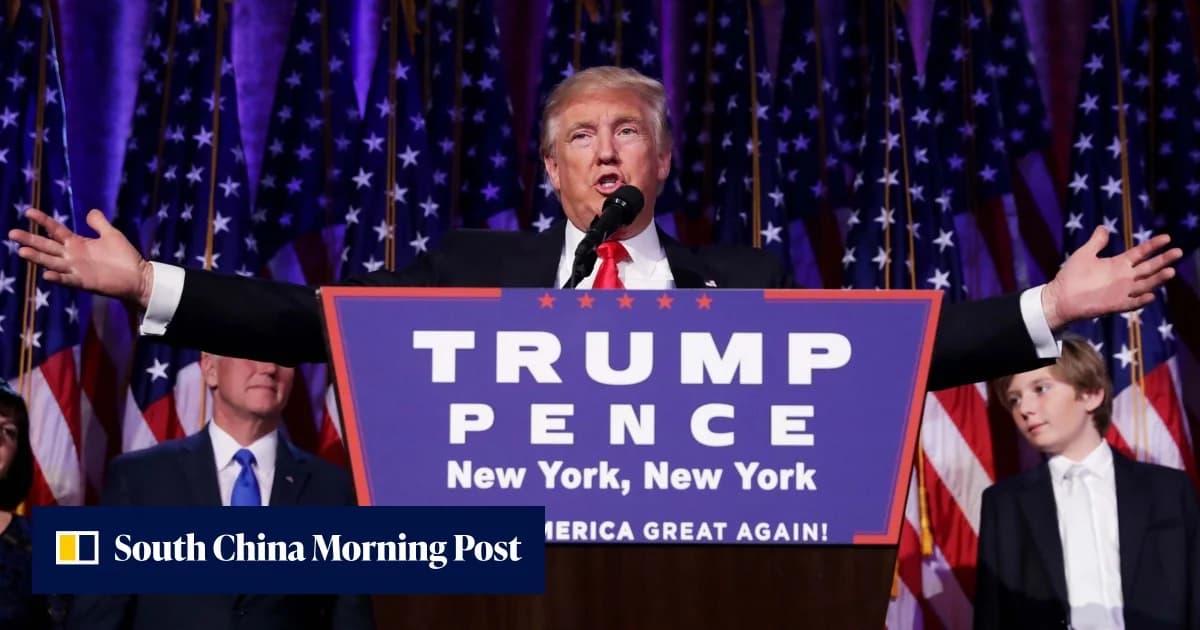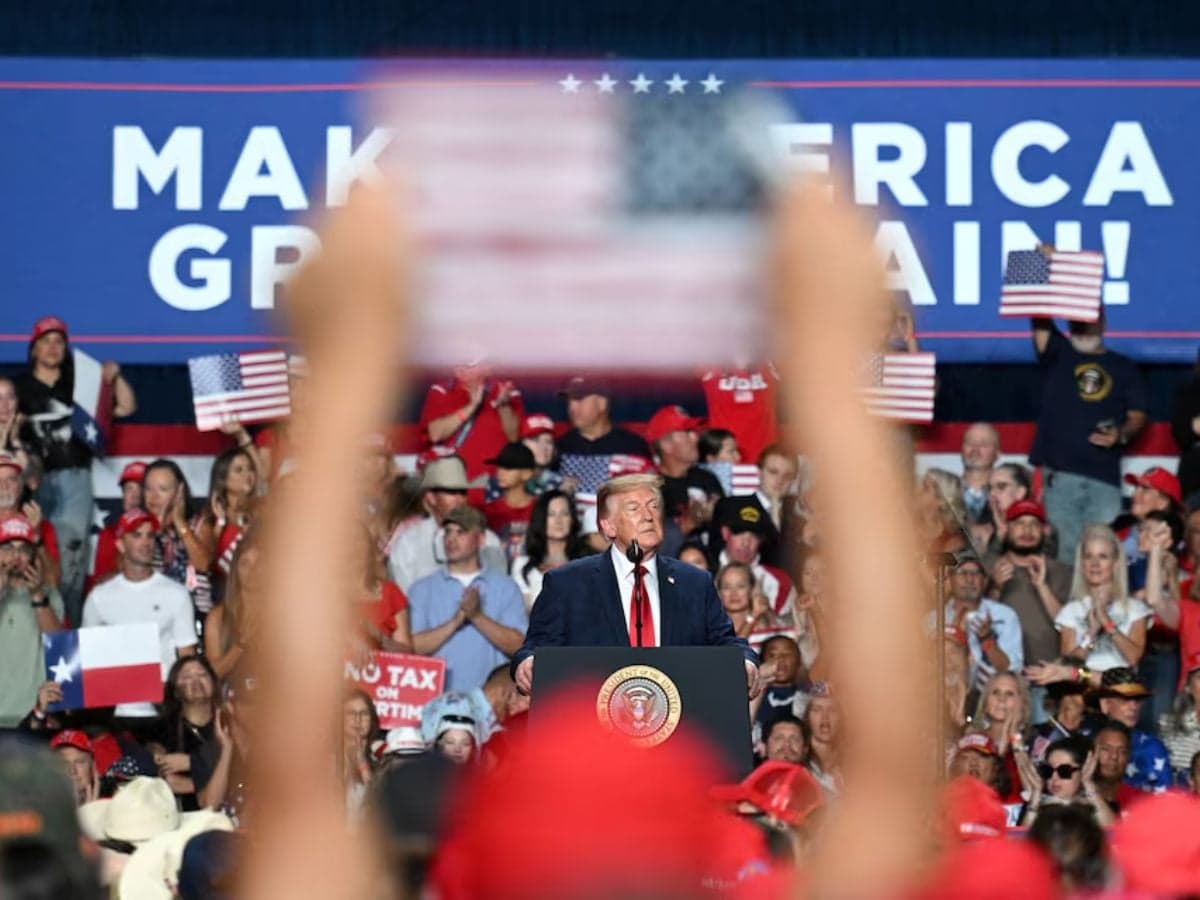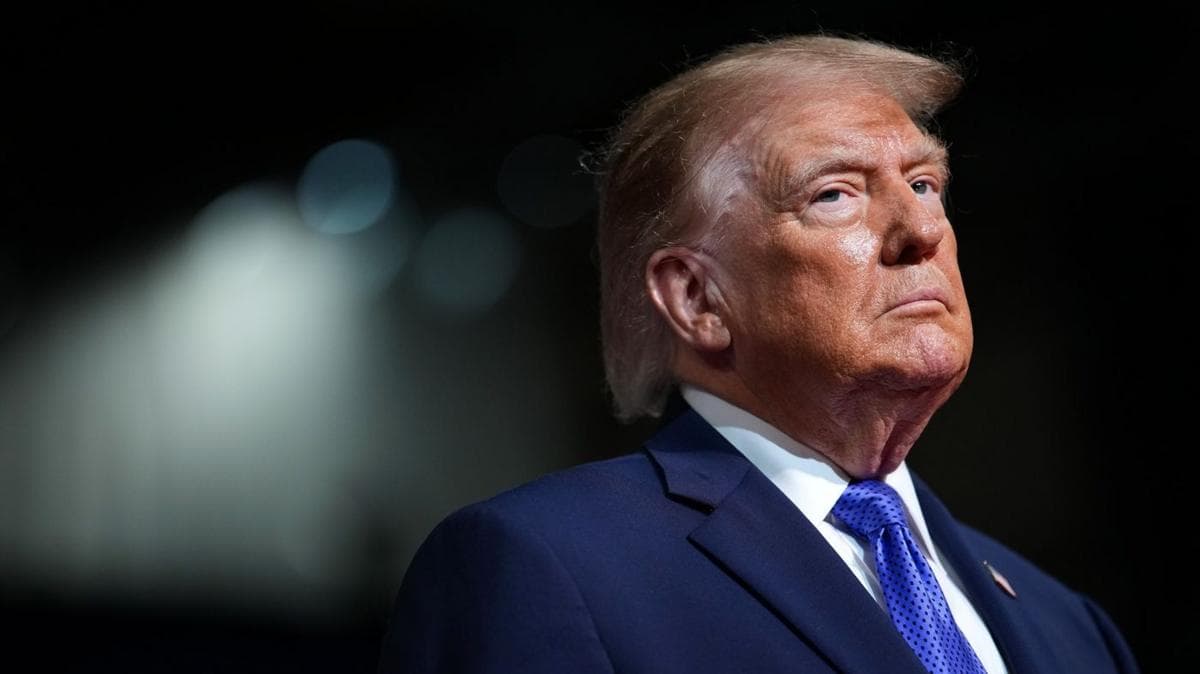
Republicans are currently in a period of soul-searching following a "spectacular" collapse in the 2026 midterms, which saw the party lose control of the House, the Senate, and governorships in red states like Texas and Kansas. The defeat has raised immediate questions regarding the party's future following Donald Trump's three straight presidential nominations.
Outgoing Florida Governor Ron DeSantis described the midterm results as "close to an extinction-level event for Republicans." In contrast, Vice-President JD Vance offered a more optimistic view, attributing the losses to public anger over the war with Iran. However, Vance acknowledged that the aftermath would be difficult, stating, "There will be a lot of infighting and arguing over what happened and why."
The party is currently divided on how to proceed. Republican strategist Rina Shah told the BBC that the party must decide if it will be "centred on one figure, one guy, or on a wider set of ideas like conservatism that can win outside the deepest red places." While "Never Trumpers" are pushing for a return to pre-Trump roots, the party has been fundamentally transformed over the last decade. Most Republicans have moved right on domestic issues like immigration and rejected the interventionist foreign policy of the George W Bush era. In Congress, the more moderate establishment wing has almost entirely disappeared, replaced by conservative Trump backers.
The trend toward hardline policies continued this year with the defeat of old-guard Republicans John Cornyn and Susan Collins. Furthermore, three days after the election, Trump appointed Stephen Miller as White House chief of staff, replacing Susie Wiles. Miller is a longtime aide known for hardline immigration policies, a move signaling that Trump does not plan to moderate his message in his final years in office.
Steve Bannon predicted a "civil war" within the party following the midterms, blaming the defeat on the economy and "foreign wars." He stated, "I don't think we implemented the Maga programme," and called on Trump to double down on mass deportations. Conversely, strategist Whit Ayres suggested the results were a wake-up call for Maga loyalists, noting that while many Maga voters remain, "But there is also a significant portion of the Republican Party that's non-Maga, and that's a majority now."
The 2026 results were particularly striking because the party had expanded its base in 2024 with Latinos and younger voters. According to a New York Times analysis, Latino support for Democratic candidates increased by 29 percentage points from 2024-26, while support from voters aged 18-29 increased by 33 points. These swings were driven by disapproval of Trump's handling of the economy, immigration, and the war with Iran, alongside perceptions of self-dealing and corruption within the administration.
Benjamin Shrader, leader of the Young Republicans in Austin, expressed shock at the "blue tsunami" in Texas. Reflecting on Trump's focus on the White House ballroom project, Shrader said he would "focus on issues that are not ballrooms, that are not renaming things. I would focus on what matters."
The midterm results have complicated the path for JD Vance, who was previously considered the odds-on favorite for the 2028 nomination. Ayres stated that the nomination battle is now "completely wide open." Vance's own analysis—which blamed the Iran war but embraced "America First" branding—was seen as a nuanced attempt to thread the needle. However, his openness to immigration changes clashes with his ally Stephen Miller.
Potential 2028 contenders, including Marco Rubio, Ted Cruz, Ron DeSantis, Nikki Haley, and Chris Christie, are expected to face pressure to announce bids in the coming months. While Trump's power may diminish in his final two years, he remains the loudest voice in the party. His eventual endorsement will be the biggest wildcard in the primary race, which Ayres expects to be "a lot larger and more diverse than we anticipated before the midterm election."