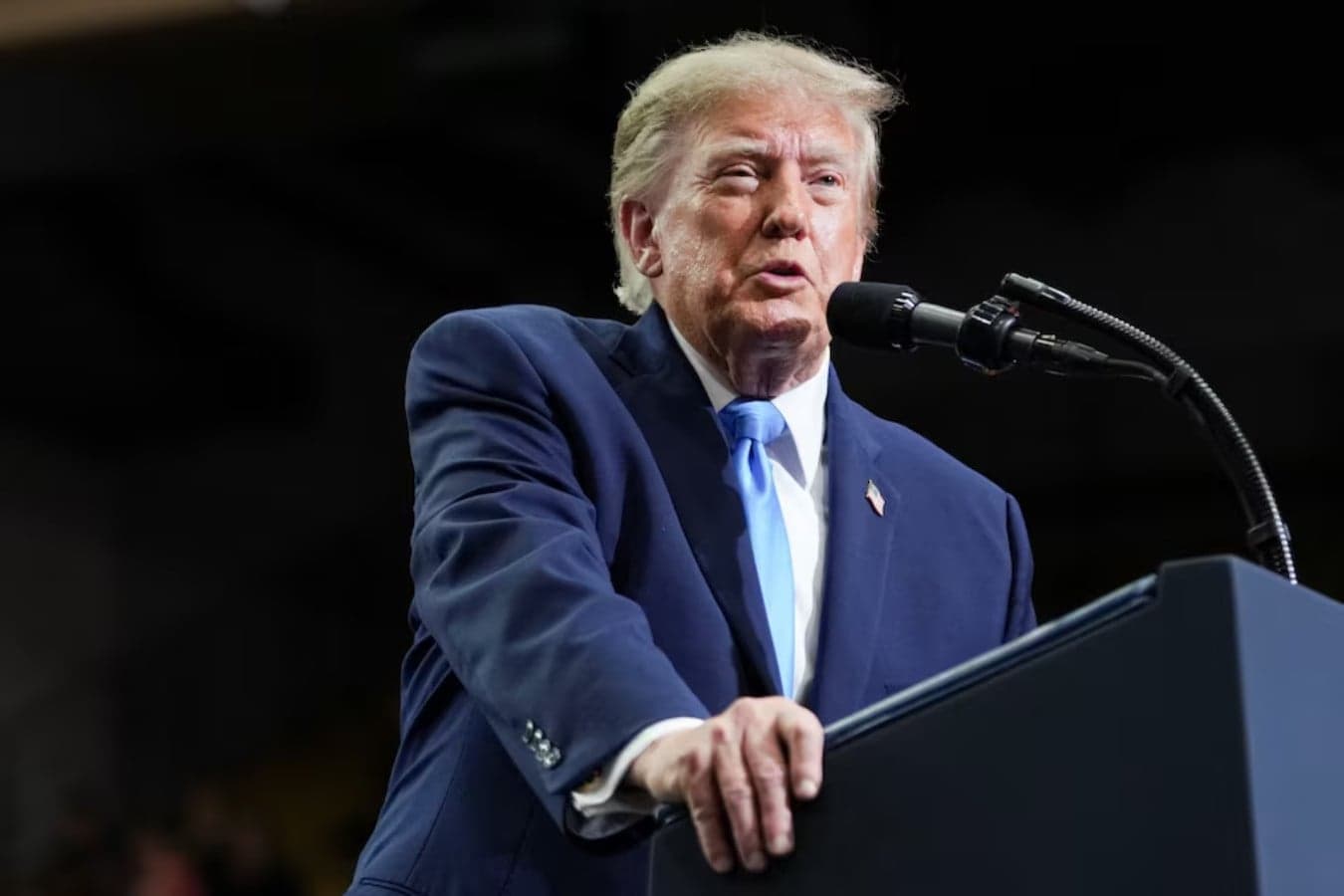
Israeli President Isaac Herzog pledged to nominate a candidate to form a new government on Sunday, November 8. The decision follows marathon talks held on Wednesday and Thursday with all party leaders after the October 27 national ballot failed to produce a clear winner.
While the results of the consultations may appear clear, Herzog stated in televised remarks at the end of the talks that "mutual vetoes between the blocs and within the blocs themselves" make it difficult to determine who has the best shot at forming a government. Herzog intends to hold "personal talks with some of the party leaders" over the Israeli weekend, which runs Friday-Saturday, before making his pick.
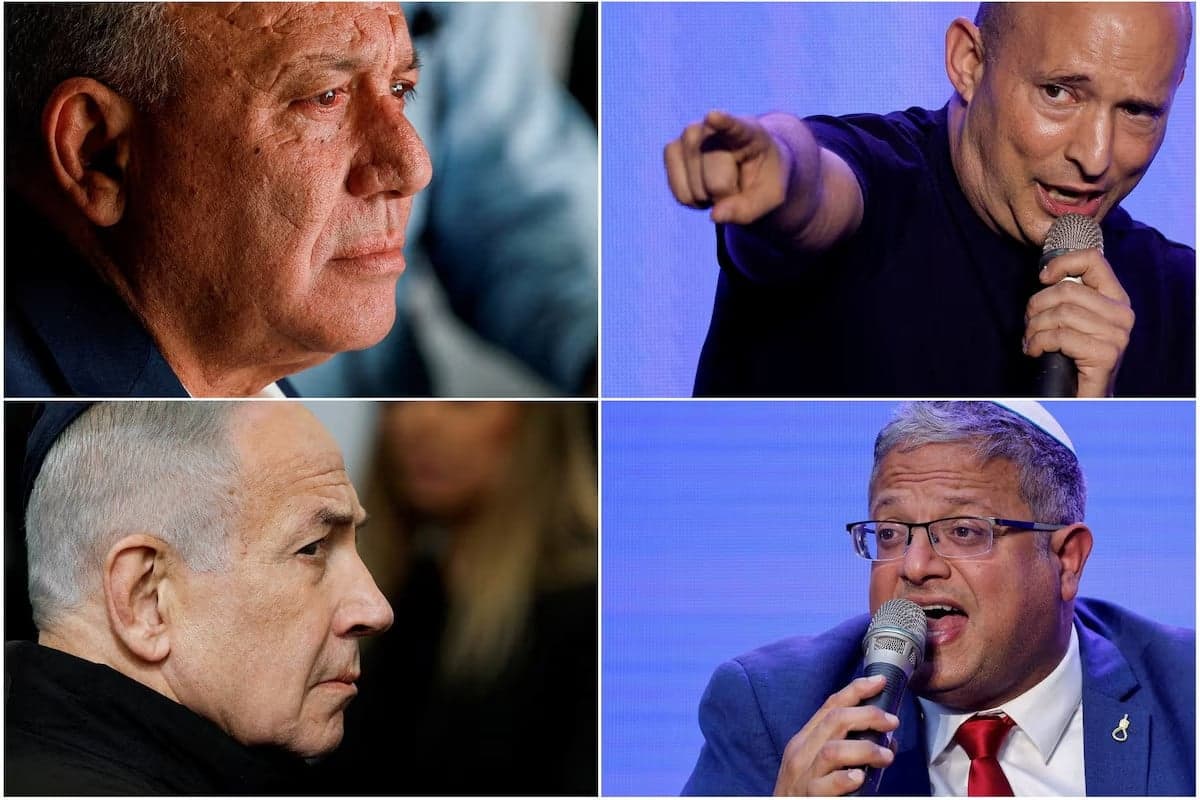
The consultation results showed that 67 of the 120 elected lawmakers endorsed Gadi Eisenkot, a former military chief, while 46 endorsed Prime Minister Benjamin Netanyahu. Despite Eisenkot securing a majority of endorsements, Netanyahu's Likud party won the most seats of any single party with 27 in the 120-seat Knesset. Netanyahu's wider religious-nationalist coalition garnered 53 seats in total, while Eisenkot's anti-Netanyahu coalition, spanning four centre-left to right-wing Jewish-led parties, won 48 seats. Two parties representing Israel's Arab minority won an unprecedented 19 seats.
In a setback for the prime minister on Thursday, United Torah Judaism, a longstanding Netanyahu coalition ally, declined to recommend any candidate during talks with Herzog. Conversely, both Arab-led parties endorsed Eisenkot.
Once nominated by Herzog, the candidate will have 28 days to try to forge a government, with a possible 14-day extension. Netanyahu will remain prime minister in a caretaker government until a new coalition is formed or another election is held if no candidate succeeds.
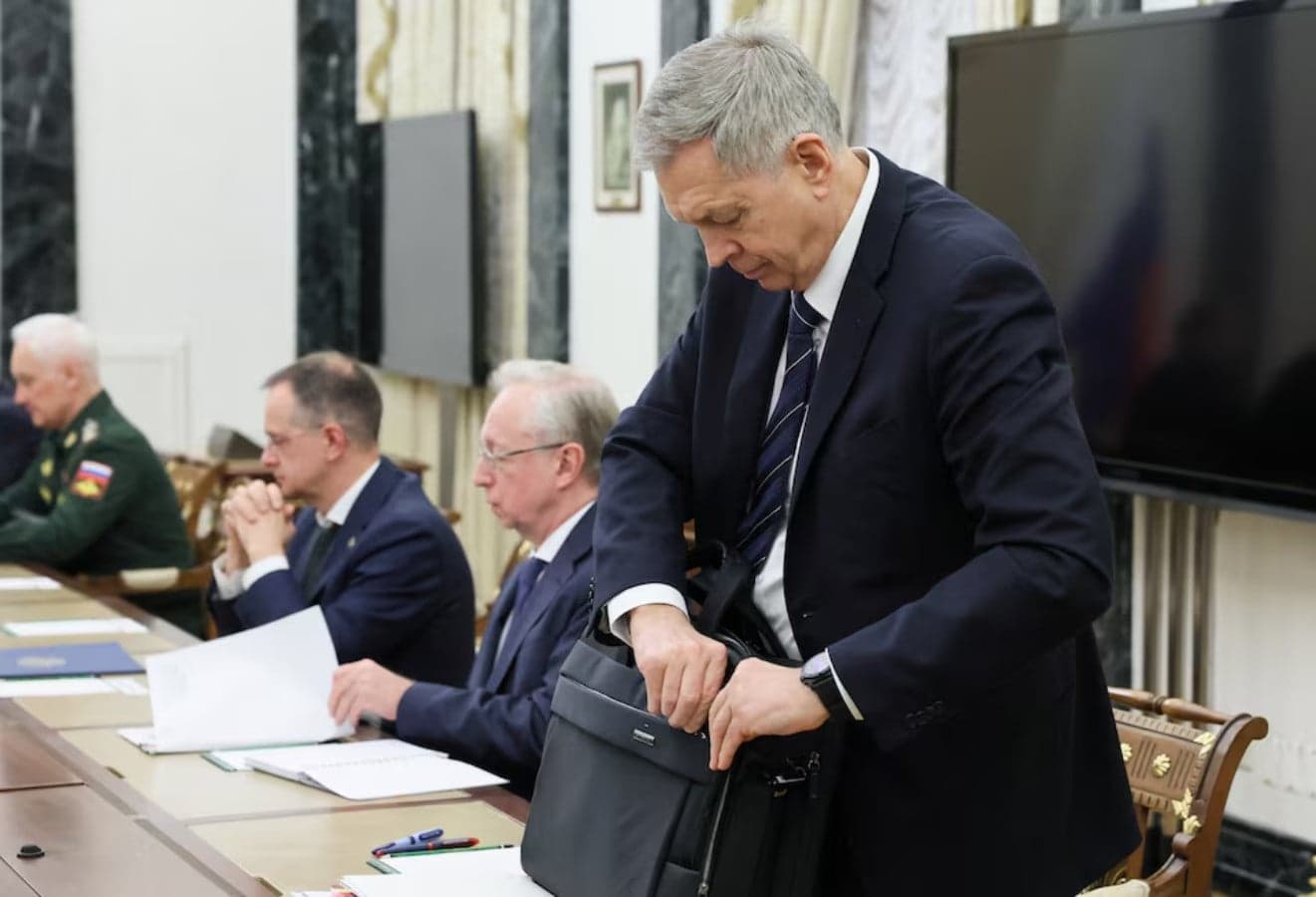
Netanyahu has accused Arab-led parties of stealing the vote, citing an investigation by election officials into possible vote tampering. However, Israel's Central Election Committee stated on Wednesday that the election's integrity had not been compromised and found no evidence of irregularities. Supreme Court Justice Noam Sohlberg, head of the committee, told Herzog on Wednesday that shaking public trust is a "real danger" and noted that one of the foundations of democracy is the peaceful transfer of power. Far-right allies of Netanyahu, including National Security Minister Itamar Ben-Gvir, have called for the immediate arrest and interrogation of Arab party leaders.