China is moving to increase the number of African sites on the Unesco World Heritage List by providing funding, conservation training, and technical guidance. Currently, Africa holds only 115 of the 1,273 sites globally protected under the World Heritage Convention treaty, a figure the UN body describes as a geographical representation that is clearly insufficient.
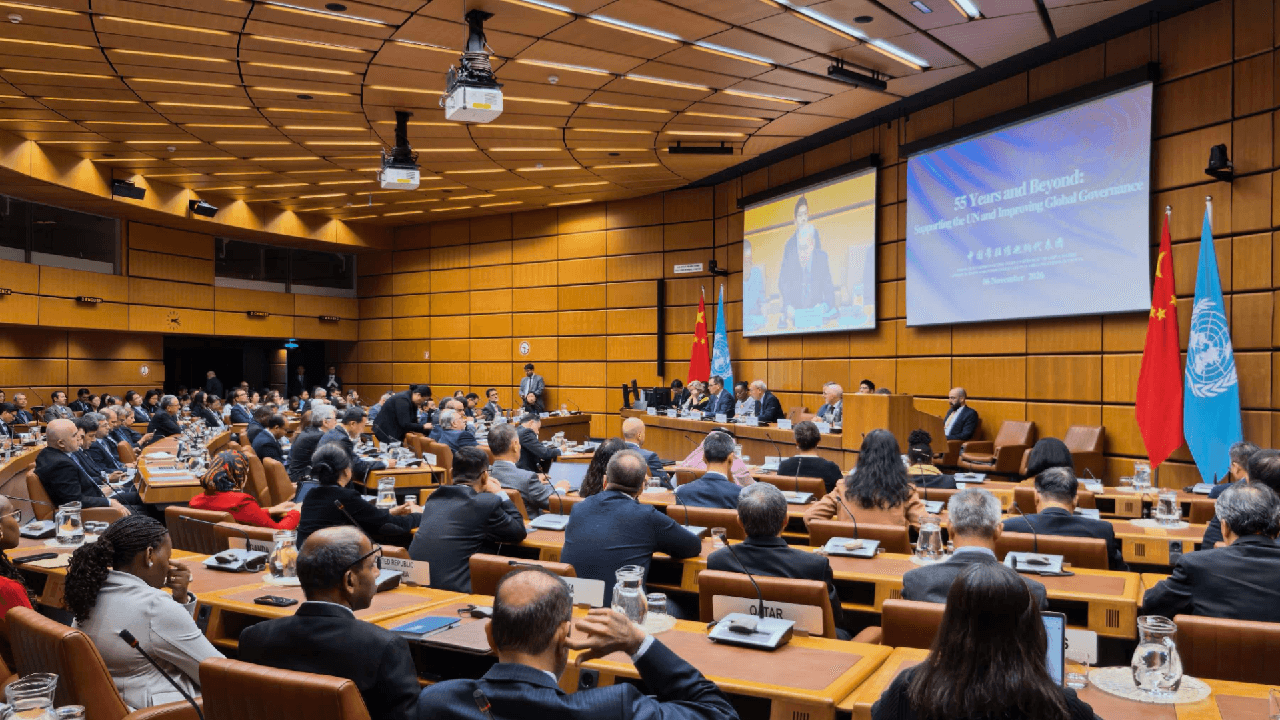
To address this, Beijing is leveraging its own experience in heritage conservation. In October, more than 20 heritage officials from 17 African countries attended a week-long workshop in Quanzhou, Fujian province. Du Xiaohui, director general of the Chinese foreign ministry’s African affairs department, stated the initiative was designed to share China’s heritage conservation experience and strengthen cultural ties.
Qin Changwei, secretary general of the Chinese National Commission for Unesco, told delegates at the event that while there is a great deal of work to do because some African countries still have no properties inscribed, there is also enormous potential for future cooperation. The Quanzhou Municipal Cultural Relics Protection Centre noted that Qin linked this cooperation to China’s Global Civilisation Initiative, the Belt and Road Initiative, and the African Union’s Agenda 2063.
The Quanzhou municipal government established a fund for this project in March 2025. According to the China News Service, the China Funds-in-Trust (Quanzhou) for Capacity-Building on World Heritage in Africa launched with an initial budget of US$1 million. Quanzhou, which received its own World Heritage listing in 2021, aims to serve as a model. The city has implemented regulations to keep historic places inhabited and maintained as part of daily life.
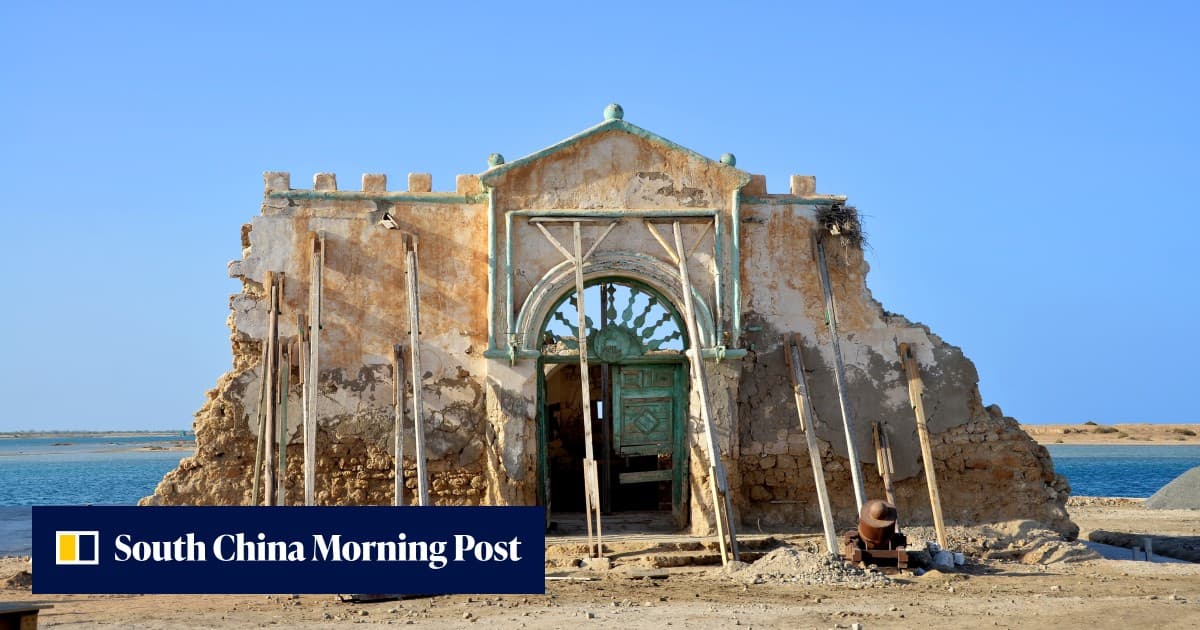
The process for a World Heritage nomination is technically demanding and can take years of research, surveys, and conservation planning. Unesco requires sites to demonstrate “outstanding universal value”, meaning they must have exceptional cultural or natural significance that extends beyond national borders. While some African countries have identified potential sites decades ago—such as Uganda’s Nyero’s geometric rock paintings (on the tentative list since 1997) and Sudan’s Red Sea port of Suakin (on the tentative list since 1994)—countries remain responsible for the ongoing costs of protecting and monitoring these sites.