Key Takeaways
- Fixed round-trip fares have been set for popular tourist destinations in Naran Bazaar.
- Traffic restrictions include banning two-way traffic and prohibiting parking inside the bazaar.
- A new complaint desk has been directed to be established by the Kaghan Development Authority.
The Office of the Assistant Commissioner, Balakot, has introduced a comprehensive set of measures aimed at enhancing tourist experience in Naran Bazaar during the ongoing tourism season. These measures include fixed round-trip fares for popular destinations and strict traffic management rules to reduce congestion.
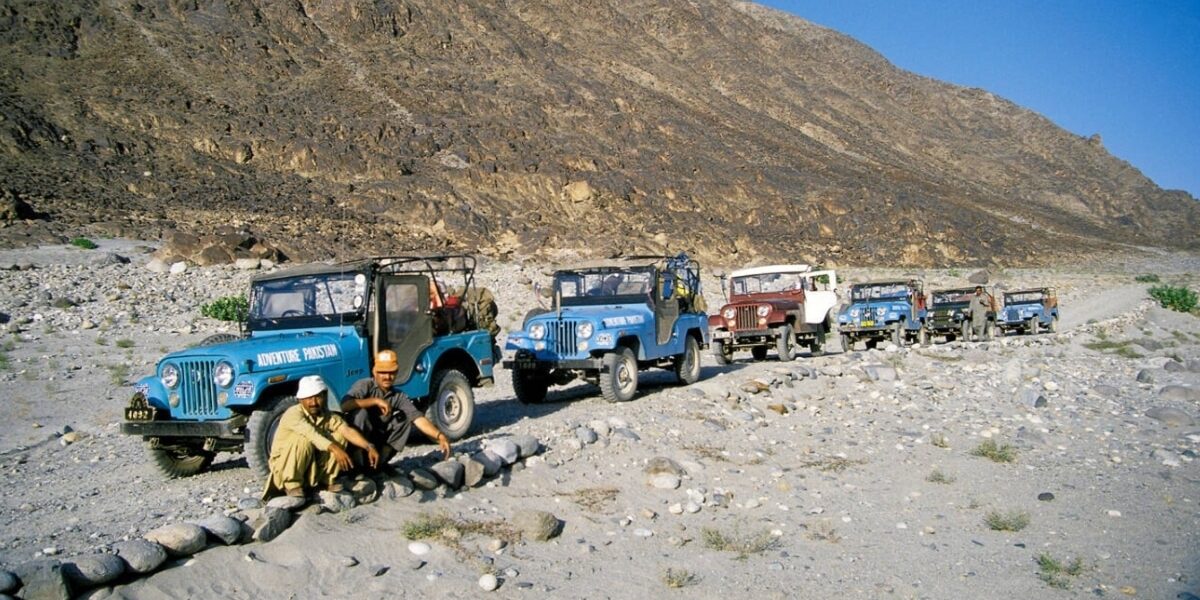
According to the new notification, tourists can expect to pay Rs. 12,000 for a jeep ride from Naran to Babusar, while the fare to Babusar Top via Suzuki Carry or Yellow Cab has been set at Rs. 9,000. Other approved fares include Rs. 5,500 for Lake Saif-ul-Malook and Rs. 4,500 for Lalazar and Shogran.
The traffic restrictions introduced by the authorities are designed to improve safety and ease of movement within Naran Bazaar. Two-way traffic has been banned, and vehicles entering from Jheel Road or MNJ Road will no longer be allowed; instead, all incoming traffic must enter from the Go Petrol Pump side. Tourist vehicles leaving hotels, restaurants, and commercial establishments are required to use a bypass road, while parking inside Naran Bazaar is strictly prohibited.
To address potential issues, the Kaghan Development Authority (KDA) has been directed to establish a tourist complaint desk and install additional traffic diversion, guidance, and no-parking signboards at key locations. These measures aim to ensure smooth operations during the busy tourist season.
The new rules took immediate effect following a stakeholders’ meeting chaired by the Assistant Commissioner on May 22. The notification is expected to provide clarity and ease for tourists while ensuring efficient traffic management in Naran Bazaar.
Local authorities hope that these measures will not only improve the overall experience of visitors but also contribute to the sustainable development of the area’s tourism sector.