Key Takeaways
- OPEC lowered its forecast for global oil demand growth in 2026 to 780,000 barrels per day.
- The organization expects a stronger world economy in 2027 with an increased demand of 1.94 million barrels per day.
- Output recovery is underway after the Iran war, but renewed military strikes continue to raise concerns.
OPEC has further reduced its forecast for global oil demand growth in 2026 by 780,000 barrels per day, marking a third consecutive downward revision. This adjustment reflects ongoing geopolitical uncertainties and their impact on economic conditions.
Despite the reduction, OPEC remains cautiously optimistic about the second half of 2026, attributing some resilience to global economic growth dynamics in the first half of the year. The organization noted that potential moderations in geopolitical tensions could provide a positive outlook for global growth if energy markets and trade flows stabilize.
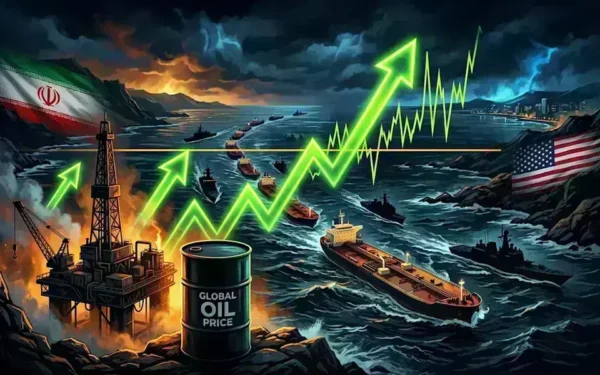
The decision by OPEC+ to resume output increases from April was hampered by the closure of the Strait of Hormuz, which effectively curtailed millions of barrels of Middle East oil production. While Gulf members have begun resuming halted output, concerns over renewed military strikes continue to affect supply stability.
For 2027, OPEC has raised its oil demand growth forecast to 1.94 million barrels per day, an increase of 210,000 barrels from the previous estimate. This upward revision is attributed to anticipated economic recovery and improved trade flows, although geopolitical risks remain a significant factor.
The current production levels show OPEC+ crude output averaging 36.28 million barrels per day in June, up about 3 million barrels from May. The increase reflects the gradual resumption of operations by Gulf members following the Iran war. However, the United Arab Emirates left OPEC and OPEC+ on May 1, impacting overall production figures.
OPEC's cautious approach is evident in its continued monitoring of geopolitical developments and their impact on oil markets. The organization acknowledges that while economic growth remains resilient, potential moderations in tensions could offer a positive outlook for the second half of 2026 if energy markets stabilize further.
The ongoing situation underscores the complex interplay between global politics and energy markets, with OPEC's forecast reflecting both optimism and caution as it navigates these challenges.