Key Takeaways
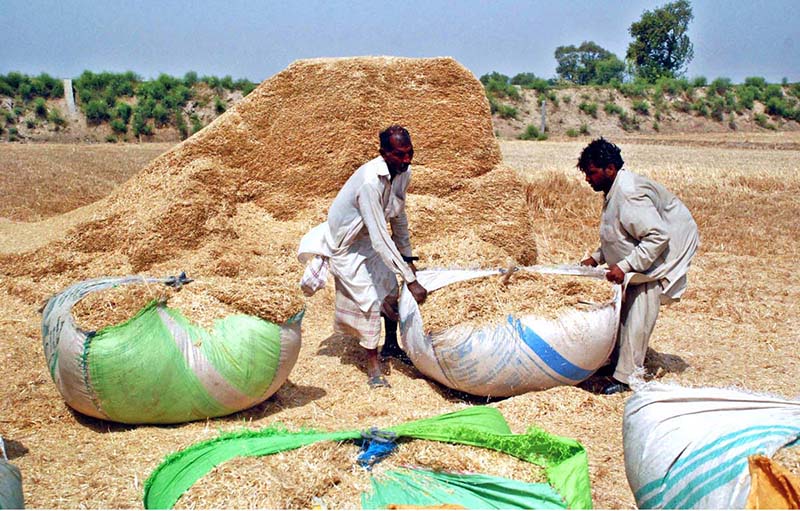
- A farmer gathers dried husk for livestock fodder.
- Crop residues play a crucial role in sustaining rural livelihoods.
- The practice highlights the importance of resourcefulness in agriculture.
In an effort to sustain rural livelihoods, a farmer is collecting dried crop residues such as husk, which will be used as livestock fodder. This practice underscores the critical role that crop residues play in supporting agricultural communities.
The Associated Press of Pakistan reports on this ongoing process, noting that the farmer’s actions are part of a broader strategy to ensure the well-being and productivity of rural areas through resourceful use of local materials.
By collecting these dried husk remnants, the farmer is contributing to the overall sustainability of the agricultural system. These residues, which would otherwise be left unused or discarded, can now serve as valuable feed for livestock, thereby enhancing the economic viability of farming practices in the region.
The importance of crop residues extends beyond just providing fodder; they also contribute to soil health and reduce waste. By repurposing these materials, farmers like this one are demonstrating a commitment to sustainable agricultural practices that benefit both their communities and the environment.
This approach is particularly relevant in rural areas where resources may be limited, and every bit of material can make a significant difference. The farmer’s actions highlight the ingenuity required to maintain productivity and livelihoods in challenging conditions.
The use of crop residues for livestock fodder is not only beneficial but also aligns with broader efforts to promote sustainable agriculture. By repurposing these materials, farmers are contributing to more resilient agricultural systems that can withstand various challenges, including climate change and resource scarcity.