Key Takeaways
- The US military launched fresh attacks on Iran to protect the Strait of Hormuz.
- Iran responded by attacking Kuwait and Bahrain, home to US bases.
- Both sides warned further escalation is possible if hostilities continue.
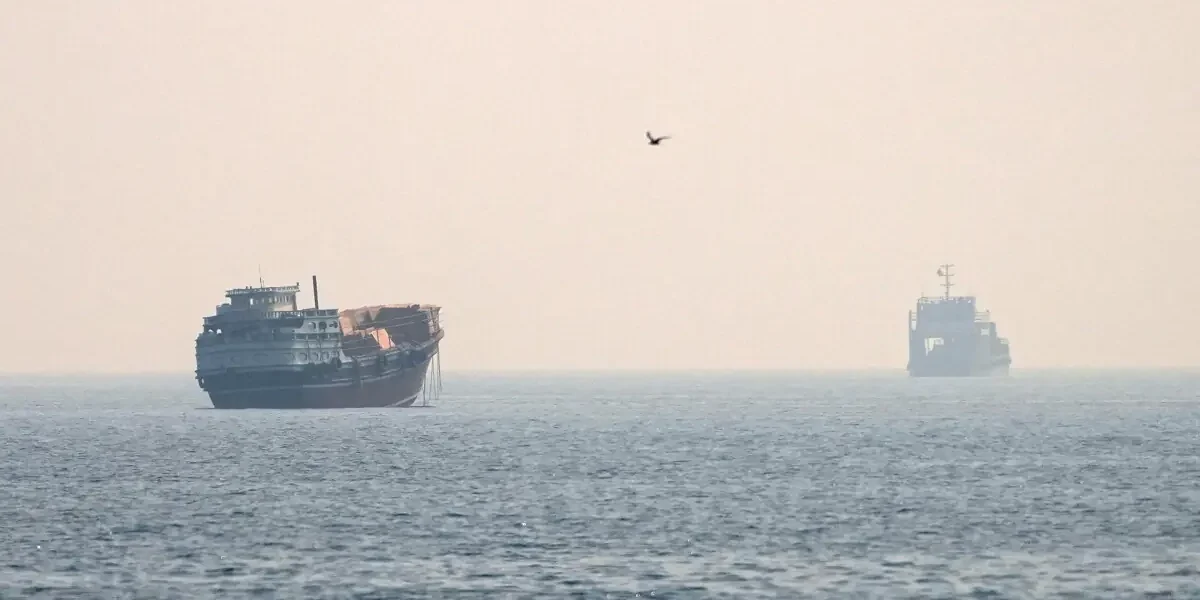
The United States has carried out new strikes against Iranian targets in response to attacks on three cargo ships transiting the Strait of Hormuz. The US Central Command (Centcom) announced that additional strikes were conducted to 'degrade Iran’s ability to threaten freedom of navigation.'
President Donald Trump, via his Truth Social platform, emphasized the retaliatory nature of these actions, stating, ‘If it happens again, it will get much worse!’ This move comes after Centcom confirmed that more than 60 small boats were targeted in the operation.
Iran’s Revolutionary Guards (IRGC) responded with a series of attacks on US military bases in Bahrain and Kuwait. The IRGC claimed to have struck 'key infrastructure and facilities' at these locations, using missiles and drones. These strikes followed hours after the US launched its own offensive.
Kuwait's Defence Ministry reported intercepting Iranian missiles and drones, while Qatar issued an elevated security threat alert before lifting it shortly thereafter. Iran’s state television, IRIB, broadcast statements from the IRGC confirming their attacks on both countries.
Iranian top negotiator Mohammad Baqer Qalibaf warned that 'If you strike, you will be struck back,' emphasizing Tehran's determination to reopen the Strait of Hormuz under its terms. He added, ‘The Strait of Hormuz will be reopened only under Iranian arrangements, not through US threats.’
These developments have cast doubt on an interim ceasefire agreement signed between Iran and the United States on June 17, which was intended to end hostilities that began with US-Israeli attacks on Iran on February 28. President Trump expressed uncertainty about the future of any deal, stating, 'I don’t want to deal with them.'
EU foreign policy chief Kaja Kallas commented on the escalating tensions, saying, 'The exchanges of fire between the US and Iran further complicate already fraught talks to end the war.' NATO Secretary General Mark Rutte also emphasized that the new attacks by the US were ‘absolutely necessary.’
Both sides have issued strong warnings about potential future actions. The IRGC threatened a 'crushing response' if hostilities continue, while Centcom stated its intention to hold Iran accountable for any further aggression against commercial shipping and civilian crews.
If it happens again, it will get much worse!
Donald Trump, President of the United States
The Strait of Hormuz will be reopened only under Iranian arrangements, not through US threats.
Mohammad Baqer Qalibaf, Iranian top negotiator