Key Takeaways
- Berlin's mayor Kai Wegner has withdrawn from the 20 September election.
- The decision follows a public outcry over playing tennis during a power blackout.
- Wegner admitted poor communication in handling the situation.
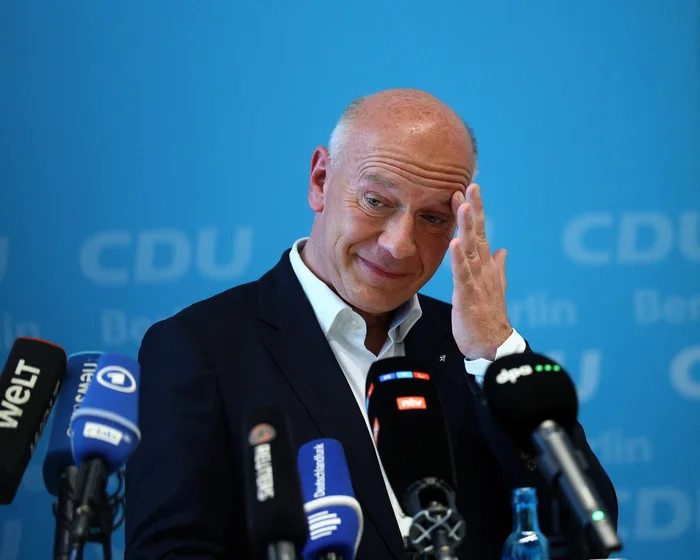
Berlin’s Mayor, Kai Wegner, announced on Friday that he would not stand for reelection after facing intense pressure to step down. The decision comes following a public controversy known as 'Tennis-Gate', which overshadowed his other political achievements.
Wegner's announcement was made in response to significant criticism from members of his party, the Christian Democrats (CDU), who wrote an open letter urging him to withdraw his candidacy. This move reflects the severity of the situation and the public’s dissatisfaction with how the mayor handled the crisis.
The controversy erupted when Wegner was seen playing tennis at a Berlin court while large parts of the city were experiencing a power blackout in January. The incident sparked widespread outrage, with many residents questioning the appropriateness of such an activity during a time of emergency and distress.
In his statement, Wegner admitted to poor communication in managing the situation. He acknowledged that the timing of his tennis match was poorly handled and apologized for any inconvenience caused to the citizens. However, he maintained that he did not abuse his position or act irresponsibly, stating that he had been unaware of the extent of the power outage at the time.
The CDU party has also expressed its concerns over Wegner's handling of the incident. Party members have called for greater transparency and accountability in future crises. The open letter to Wegner, signed by several prominent figures within the party, emphasized the need for better communication strategies during emergencies.
Wegner’s decision to withdraw from the election is seen as a significant blow to his political career. He had been expected to run for reelection and was considered a strong contender in the upcoming September vote. The controversy has not only affected his campaign but also raised questions about leadership and public service ethics within the city.
The incident highlights the delicate balance between personal conduct and public duty, especially during times of crisis. It underscores the importance of clear communication and responsible decision-making for elected officials. As Berlin prepares for its 20 September election, this controversy will undoubtedly shape voter perceptions and discussions surrounding leadership qualities.