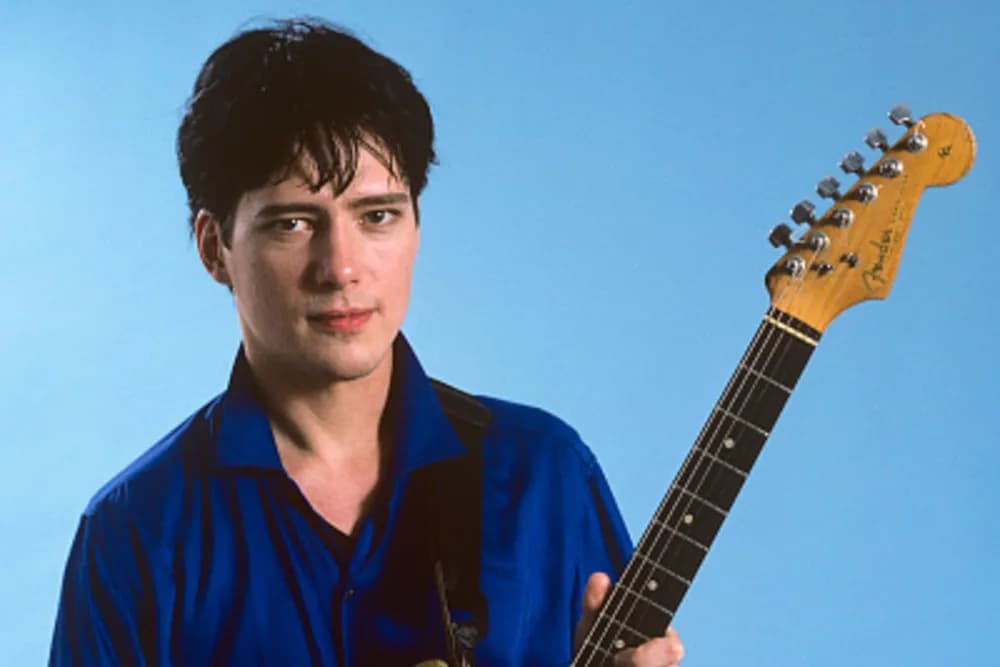
Richard Lloyd, the fiery guitarist for the influential 1970s New York City band Television, died on Saturday at his home in Chattanooga, Tenn., according to the New York Times. The cause of death was bile duct cancer; he was 75.
While often linked to the punk rock movement, Television’s sound was distinct, characterized by the intricate and virtuosic soloing of Lloyd and frontman Tom Verlaine, unusual song structures, and Verlaine’s deadpan vocals. The band’s 1977 album “Marquee Moon” remains a defining document of the era, featuring tracks like “See No Evil” and the nearly 11-minute title track and casting a vast influence on future alternative rockers like R.E.M. and Sonic Youth.
Television’s peak era was brief, lasting for only two albums before the group split in 1978. While Verlaine, who died in 2023, is commonly recognized as the band’s frontman and auteur, Lloyd’s contributions were perennially underrated. The two shared similar styles, but Lloyd is described as bringing the fire while Verlaine provided the finesse.
Lloyd’s career was also marked by struggles with substance abuse and mental health. In addition to his work with Television, he released nine solo albums and contributed to Matthew Sweet’s 1991 album “Girlfriend,” which also featured Robert Quine.
Ironically, Television, which formed in 1973, were the band to initiate the Lower Manhattan club CBGB, which proved to be the key incubator for punk rock. According to legend, Verlaine and Lloyd asked owner Hilly Kristal what music the venue showcased and were told “Country, Bluegrass and Blues.” The pair replied that their band played something like that, even though it did not. The group secured a booking, and other bands like the Ramones, Blondie, and Talking Heads followed, establishing CBGB as a hotbed for a scene that revolutionized rock music by 1975.
Lloyd was born Richard John Alt on Oct. 25, 1951, in Pittsburgh. He moved to New York City as an infant and grew up in Greenwich Village. He took up the guitar at an early age and attended concerts at the Fillmore East as a teen, which is also when his struggles with mental health and substance abuse began. He attended Stuyvesant High School but dropped out before graduation.