The Democratic victory in the midterm elections, which served as a referendum on President Trump, prices, and the war in Iran, is expected to impact several key interests for Hollywood studios and broadcasters. As Washington adjusts to a new, blue reality for the final two years of the Trump presidency, several legislative and regulatory questions have emerged.
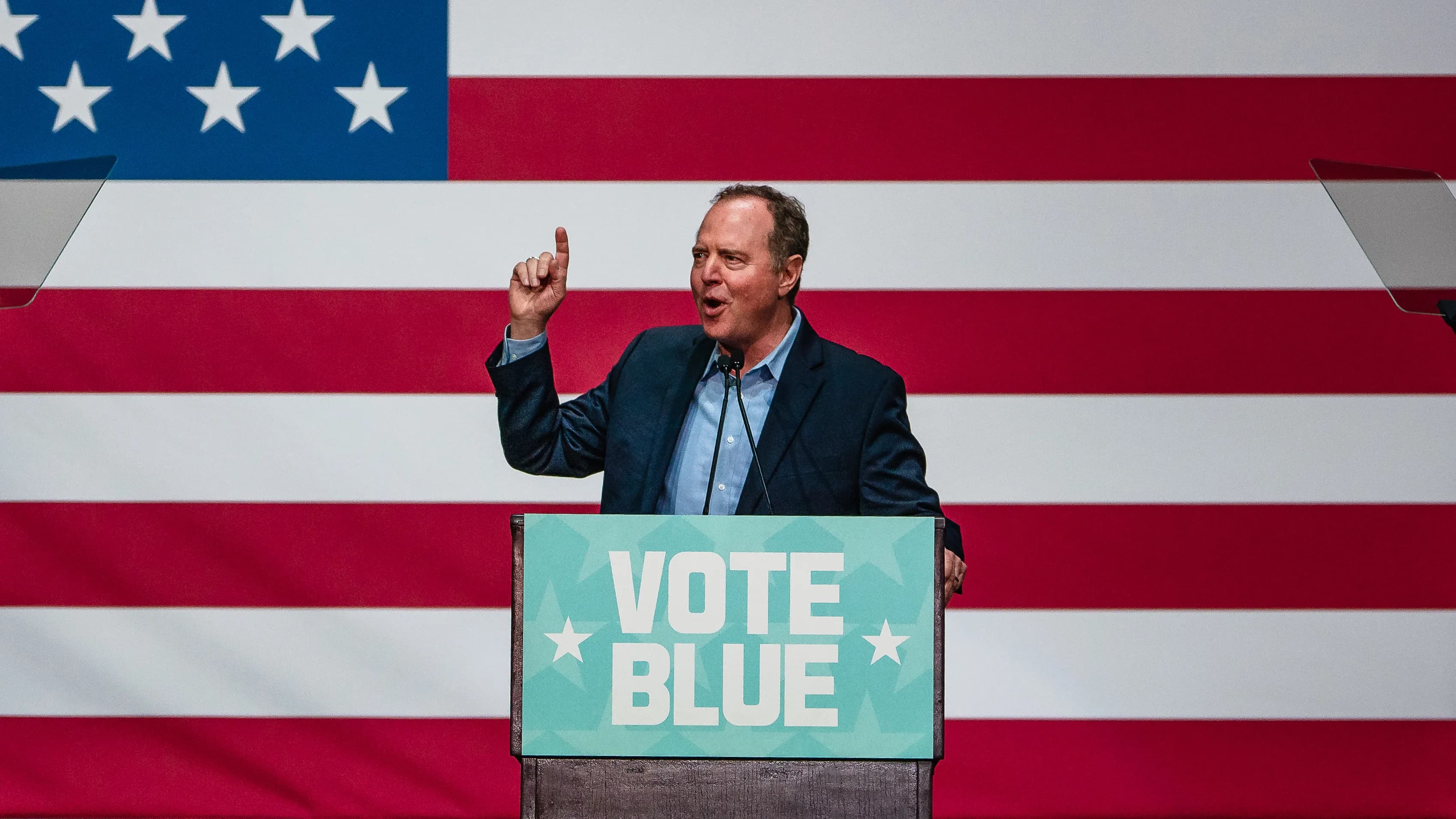
A primary legislative priority for Hollywood is the passage of a federal tax incentive by the end of the year. While the bipartisan bill unites Trump and Adam Schiff, the recent election disruption may hinder its momentum. Furthermore, Trump expressed hesitation during a rally last Friday, telling the crowd that people in Hollywood are “all calling me kissing my ass” for tax credits. He asked the crowd, “I’ll probably do it. Should I do it?” and added, “We’ll have to think about it” after the audience booed. The industry is putting stock in that “I’ll probably do it,” but it wouldn’t be the first time Trump had let someone down.
Congressional Republicans are currently focused on leadership races and recriminations, meaning Hollywood tax credits may not be their immediate priority. House Democrats might prefer to wait for the next Congress to hold all the leverage. Although Democrats are more supportive of Hollywood than Republicans are, the odds may improve in the 120th Congress, but that would require starting over. Out of the 31 Republican cosponsors in the House and Senate, 10 will not be back next year. Additionally, the sense of crisis required for immediate action may be harder to maintain over a longer legislative process. Adam Schiff stated in September, “The iron is very hot right now. We’re all very focused on this. The president is focused on this. I wouldn’t want to see that bleed into next year.”
Regarding the Federal Communications Commission (FCC), Democratic control of Congress will not flip the commission but will likely lead to increased oversight of chairman Brendan Carr. Carr has spent the last two years jawboning broadcasters over Jimmy Kimmel’s jokes and launching inquiries into political commentary on “The View.” Democrats in Congress see Carr as a manifestation of Trump’s impulse to squelch opposing views and are likely to use subpoena power to investigate past and future controversies. Whether that adds light or just heat is very much TBD.
The future of public broadcasting remains uncertain following the collapse of the Corporation for Public Broadcasting last year after Congress stripped $1.1 billion in funding. This move threatened the budgets of hundreds of local stations and eliminated a major funding source for PBS and NPR. While Democrats may have the opportunity to restore funding, it would require navigating culture wars, as conservatives view NPR and PBS as vehicles of leftwing bias and indoctrination. Rima Dael, CEO of the National Federation of Community Broadcasters, issued a statement urging the incoming Congress to renew federal investment in public and community media to build a system around what communities need today, including universal access to fact-based news and cultural programming.
Finally, the House Oversight Committee may pursue corruption investigations involving media capitulations from 2025. These could include the “Melania” documentary deal and payouts regarding Trump’s lawsuits against “60 Minutes,” George Stephanopoulos, and deplatforming lawsuits against Twitter, YouTube, and Meta. The committee may also investigate the Ellison family’s efforts to secure Trump’s blessing for the Paramount-Skydance and Paramount-Warner Bros. mergers. Such investigations could lead to battles over executive privilege and potentially reveal internal communications regarding how media companies approached the president.